Landscaping near septic systems requires careful plant selection to protect the delicate balance of your drain field while still achieving an attractive yard. Choosing the wrong vegetation can lead to invasive roots clogging pipes, excess moisture damaging the system, and costly repairs down the line.
This guide explains what to plant and what to avoid when landscaping near septic systems, offering practical tips for selecting shallow-rooted, low-water plants that safeguard your investment and keep your landscape thriving.
Landscaping Near Septic Systems Design Tips That Work
Which Plants Are Safe for Septic Systems and Drain Fields?
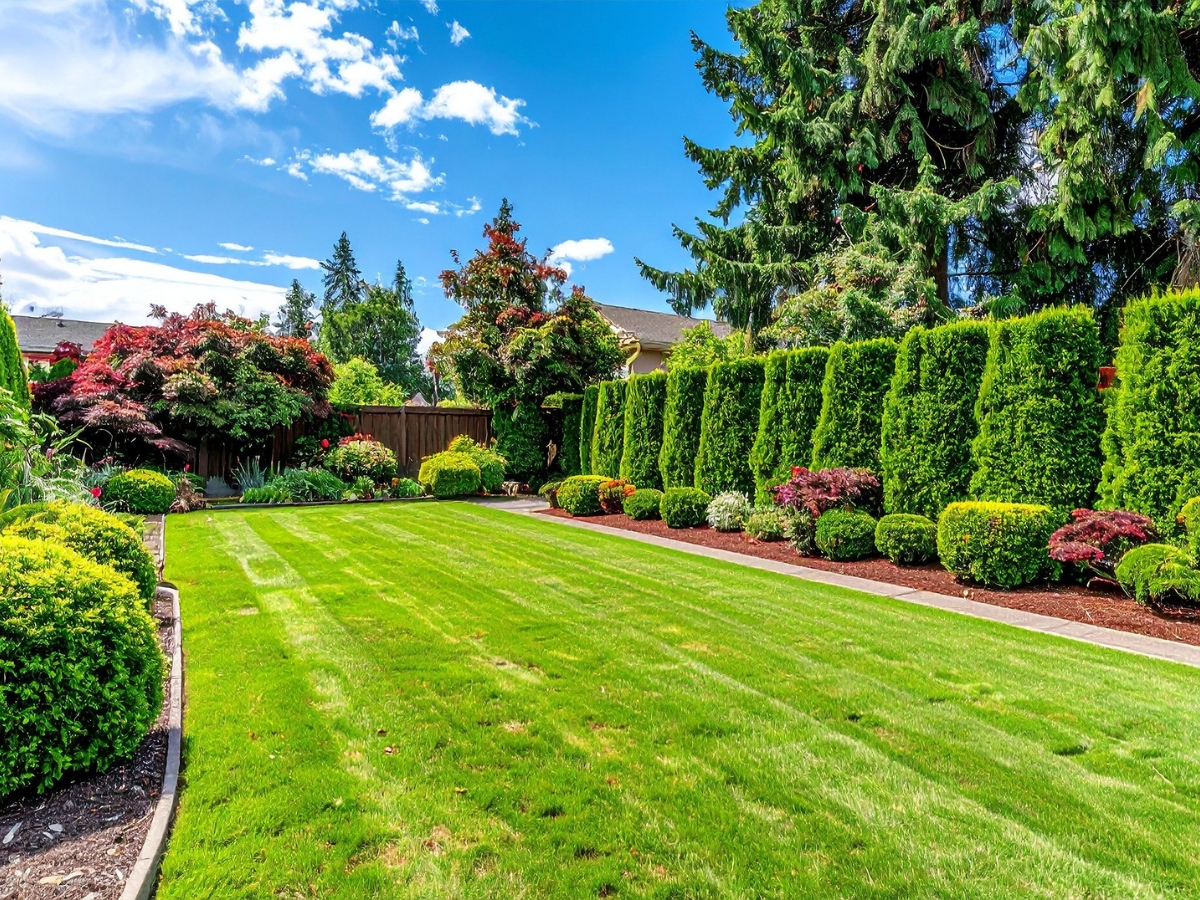
Choosing plants for a yard with a septic system is less about limiting your landscaping options and more about picking vegetation that will not cause problems over time. Drain fields rely on healthy soil and consistent airflow and moisture movement. When deep, aggressive roots push into pipes or compact the soil, the system can struggle to drain properly. The safest approach is to focus on plants with shallow root systems and low maintenance needs, especially in the drain field area.
It also helps to think about what the drain field is designed to do. This part of the system disperses and filters water through soil, so you want plantings that stabilize the ground without soaking it constantly or sending roots searching for moisture. In most cases, grass and shallow-rooted groundcovers are the most reliable choices because they protect against erosion and keep the area usable without putting stress on septic components. With the right landscaping plan, you can still have an attractive yard while keeping the septic system working the way it should.
What Are The Best Grasses And Groundcovers For Septic Drain Fields?
Grasses are often considered the best option for drain fields because they hold soil in place and allow water to move through the ground without obstruction. They also make it easier to access the area if the system ever needs inspection or maintenance. Turf-type fescue is a popular choice because it tolerates heat and periods of limited watering while keeping a relatively shallow root structure. That balance is helpful in a drain field where you want coverage but not heavy root pressure.
Kentucky bluegrass can also work well in many yards because it forms a dense, even lawn and typically stays within a shallow to moderate root depth. It is often chosen for its appearance, but it also supports erosion control in a practical way. If you prefer a lower-growing option that adds texture, creeping thyme is a groundcover that can stay relatively shallow while helping cover bare spots and reduce runoff. It tends to do best in sunnier areas and can be a good fit if you want something that breaks up the look of a standard lawn without introducing risky root growth.
When planning landscaping over a drain field, it is smart to avoid heavy mulching or thick landscape fabric that could limit airflow. Mowing and routine yard care should also stay gentle, since the goal is to keep the soil stable without compacting it.
Which Shallow-Rooted Perennials And Flowers Support Septic System Health?
If you want more color near a septic system, shallow-rooted perennials can be a good compromise, especially when planted near the edges of the drain field rather than directly over critical components. Daylilies are commonly used because they are hardy, adaptable, and generally shallow rooted compared to shrubs and trees. They also do well in a range of soil conditions, which makes them practical for many yards.
Black-eyed Susans are another option that can add bright seasonal color without the root systems that typically cause septic concerns. They are often chosen for their reliability and because they can handle sun and moderate dryness once established. Lavender is also frequently used in landscaping plans because it stays relatively compact and does not usually develop invasive roots. As a bonus, it tends to prefer well-drained soil, which aligns with the conditions you want to maintain around a drain field.
No matter which flowers you choose, spacing and placement matter. Keeping larger plants away from lids, lines, and the main field area helps protect access and reduces risk. With thoughtful landscaping choices, you can add visual interest while still protecting the long-term function of your septic system.
What Trees And Plants Should You Avoid Near Septic Tanks And Drain Fields?
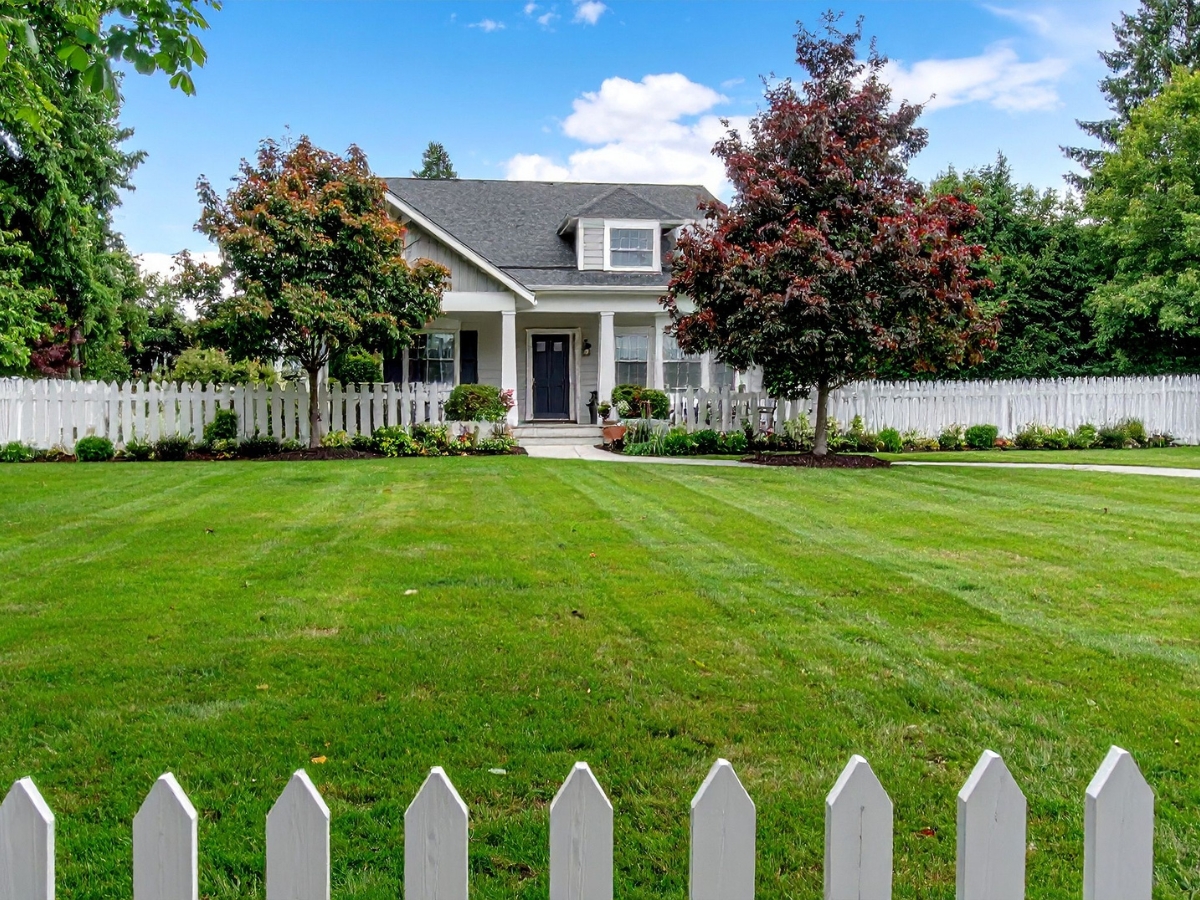
Smart landscaping around a septic system is mostly about avoiding plants that chase water or spread aggressively underground. Septic tanks and drain fields create moisture pockets, and roots will naturally grow toward consistent water sources. When those roots reach pipes, joints, or the tank itself, they can cause clogs, cracks, and drainage problems that are expensive and disruptive to fix. That is why choosing what not to plant is just as important as choosing what to plant.
A good rule is to keep trees and large shrubs well away from septic components, even if they seem harmless when they are young. Many species develop wide root networks that extend far beyond the canopy, so distance matters more than most homeowners expect. In general, the safest landscaping plan keeps the drain field area open and uses shallow-rooted plantings elsewhere to reduce the chance of roots migrating into sensitive zones over time.
Which Trees Have Aggressive Roots That Damage Septic Systems?
Some trees are known for root systems that spread quickly and search hard for water. Willows are one of the most common examples. They grow fast, and their roots are naturally drawn to moisture, which makes them risky near septic lines and drain fields. Even if planted at a distance, willow roots can travel, especially in consistently damp soil.
Silver maples also have a reputation for invasive roots. They are popular because they grow quickly and provide shade, but that speed often comes with a root system that can disrupt underground structures. Poplars fall into a similar category. They grow rapidly, develop wide root systems, and often seek out water sources, which is exactly what a drain field can seem like. In a landscaping plan, these fast-growing trees may look like an easy win, but they can become a long-term problem if they are anywhere near septic components.
If you want trees in your yard, it is usually safer to plant them in areas where their root zones will not overlap with the septic system. Even then, it helps to consider mature size and root behavior, not just how the tree looks when it is installed.
Why Are Water-Loving And Deep-Rooted Shrubs Harmful Near Septic Systems?
Trees are not the only concern. Water-loving plants and deep-rooted shrubs can also create issues because they are drawn to the exact conditions drain fields provide. Cattails are a clear example. They thrive in wet areas, spread quickly, and can move into drain field zones if the soil stays moist. Their presence can also hint at poor drainage or consistently saturated ground, which is not ideal for septic performance.
Deep-rooted shrubs can be a quieter risk because they are often planted as foundation landscaping or privacy borders, and homeowners may not realize how far their roots extend. Elderberry, for example, can develop substantial roots and may not be a great match near septic components, especially if planted close to lines. The bigger issue is not just depth, but persistence. Plants that are vigorous growers tend to keep pushing roots outward, which increases the chances of interference over time.
Some shrubs, like azaleas, are not known for aggressive roots, but they often need regular watering to stay healthy. That added moisture can work against the purpose of a drain field, which relies on balanced soil conditions to disperse water properly. In landscaping near septic areas, it is usually best to avoid plantings that require frequent irrigation and instead choose options that tolerate normal rainfall without extra watering.
When homeowners steer clear of aggressive-rooted trees and moisture-seeking plants, they reduce the risk of septic problems and keep the yard easier to maintain. A cautious landscaping approach may not be as exciting as planting large trees near every open spot, but it can save a lot of trouble later.
How Can You Practice Smart Landscaping Around Septic Systems?
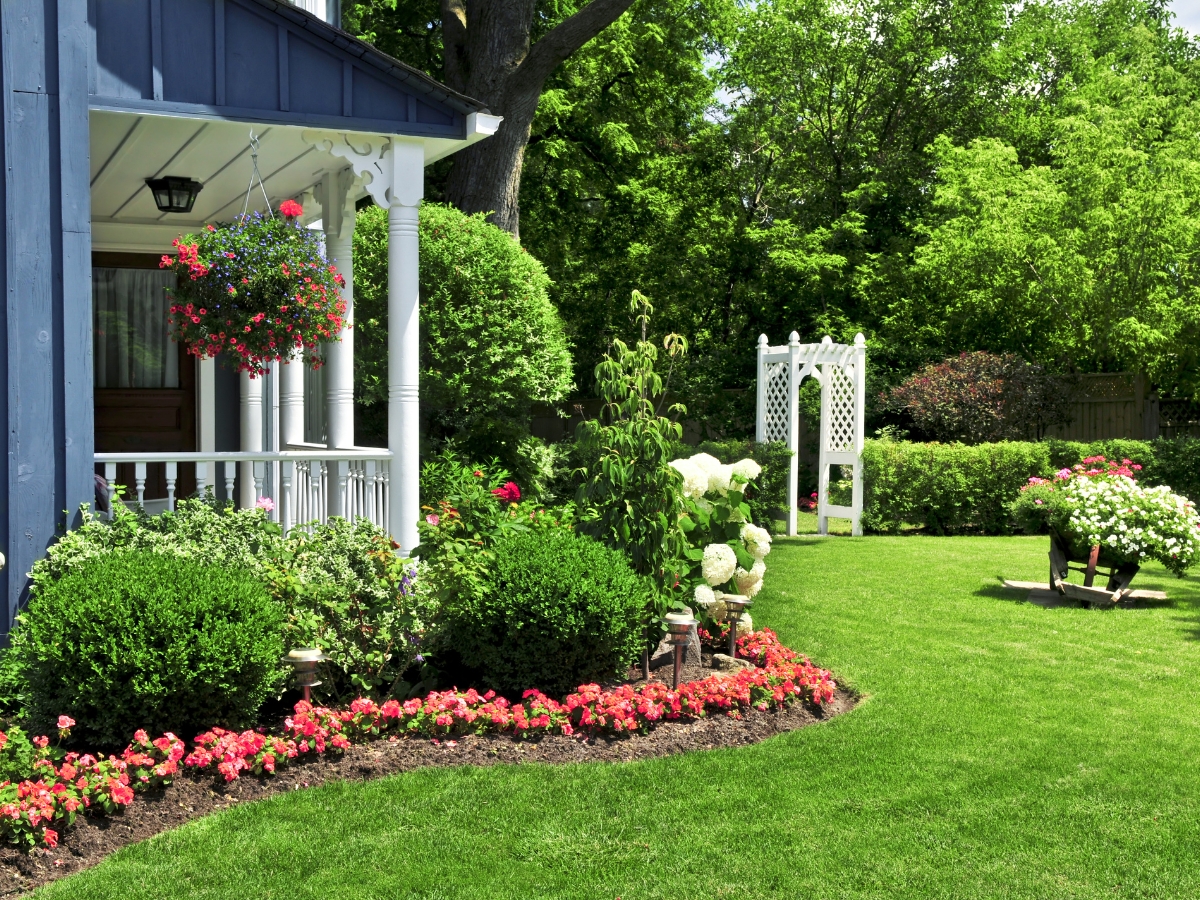
Smart landscaping around a septic system is really about balance. You want a yard that looks good and is easy to maintain, but you also need to protect the components underground that keep wastewater moving and filtering properly. Septic tanks and drain fields rely on soil conditions that allow water to disperse evenly. When landscaping choices add extra water, block airflow, or invite aggressive roots, the system can struggle. With a little planning, you can avoid those issues and still have a well-designed outdoor space.
A good starting point is knowing where the septic tank, drain field, and any connecting lines are located. Once you know the layout, it becomes easier to decide where planting makes sense and where it is better to keep things simple. In most yards, the safest approach is to keep the drain field as open as possible and use shallow-rooted options in that area, while placing larger plantings farther away.
What Are The Recommended Planting Distances For Trees And Shrubs Near Septic Components?
Distance is one of the easiest ways to reduce risk. Roots do not stop at the edge of a canopy, and many trees will spread roots far beyond what you can see above ground. As a general guideline, trees should be planted well away from septic tanks and drain fields. Many homeowners aim for a range of about twenty to fifty feet, depending on the tree type, soil conditions, and mature size. If you are unsure, it is safer to lean toward more distance rather than less, especially with fast-growing species.
Shrubs usually have less aggressive root systems than trees, but they can still cause problems if planted too close to pipes or tank lids. Keeping shrubs roughly ten to fifteen feet away helps reduce the chances of roots working into joints or creating blockages over time. It also keeps access points clear in case the system ever needs service. Groundcovers and turf are often the most compatible options near septic areas because they tend to stay shallow rooted and they help hold soil in place. Many can be planted within a few feet of septic zones, as long as you are not digging deep or disturbing the soil structure.
Smart landscaping also considers future growth. A small ornamental tree can become a larger issue if it matures quickly, so plan based on mature size, not the size at planting.
How To Protect Soil And Manage Drainage To Preserve Septic System Function?
Soil health is a big part of septic performance, which means you want to avoid anything that compacts the ground over the drain field. Compaction reduces the soil’s ability to absorb and filter water. It can also create soggy areas that encourage surface pooling, odors, and in some cases, system backups. For that reason, it is best to keep heavy equipment, frequent vehicle traffic, and even permanent structures off the drain field. Patios, sheds, and fire pits may seem harmless, but they can interfere with airflow and put stress on the soil.
Drainage management matters too. If rainwater consistently runs toward the drain field, it can overload the area and keep the soil wetter than it should be. Simple grading adjustments, extended downspouts, or drainage features that direct runoff away from septic zones can make a noticeable difference. Watering habits should be thoughtful as well. Overwatering the drain field area works against the system, so choose plantings that can handle normal rainfall without constant irrigation.
When you combine smart placement with soil and drainage care, landscaping becomes an asset rather than a risk. You end up with a yard that stays attractive, drains well, and supports the long-term health of the septic system.
Landscaping Tips for Protecting Septic Systems
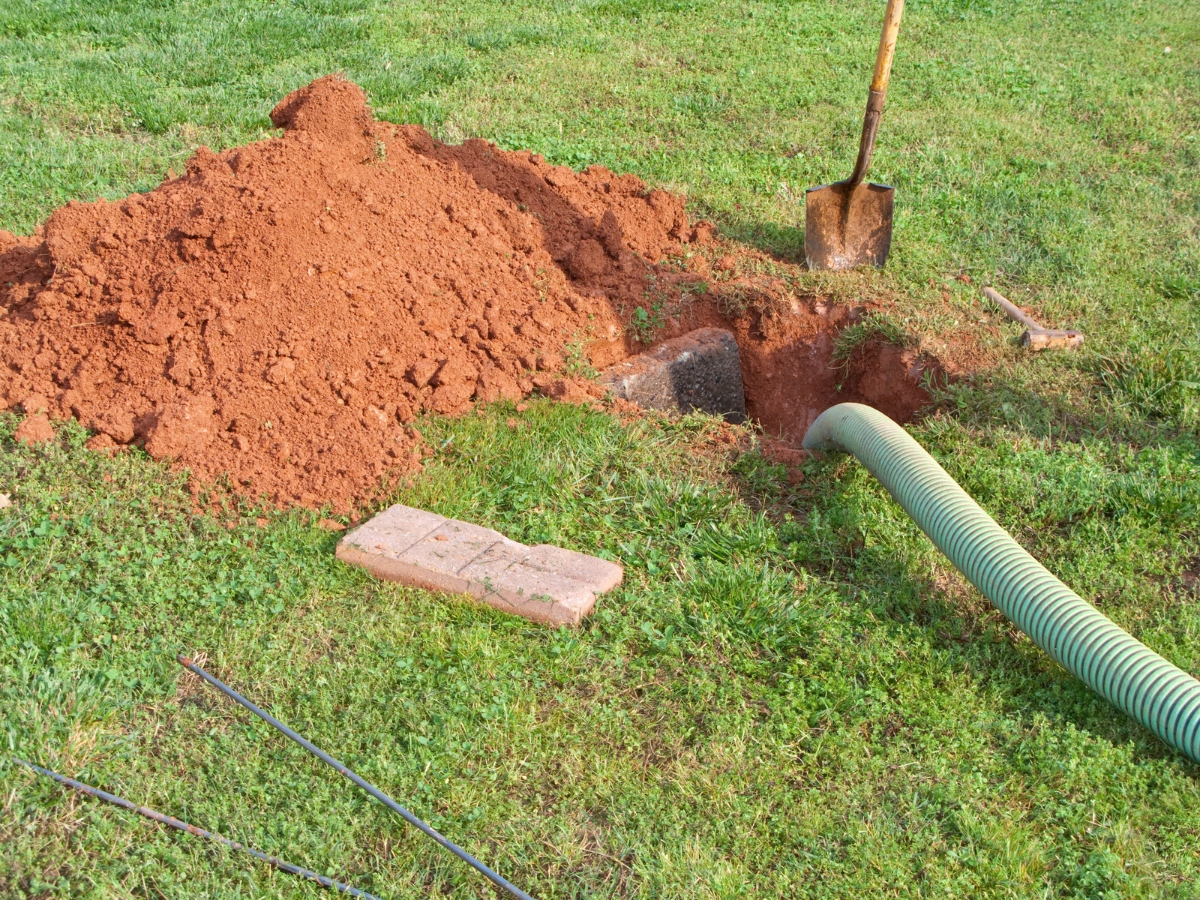
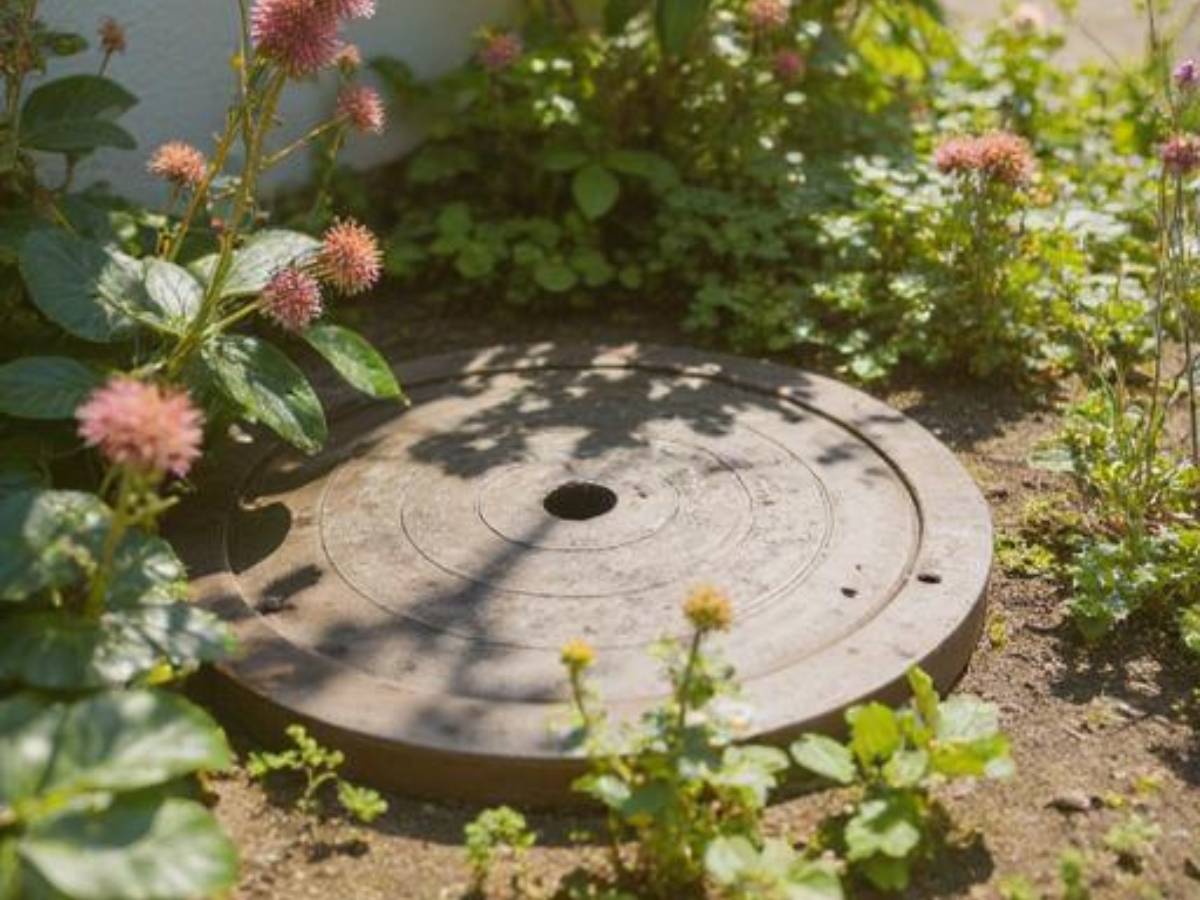
Most homeowners do not love the look of septic tank lids or cleanout points in the yard, especially when they sit in a visible spot near a patio or a main walkway. The good news is that you can make these access points less noticeable without creating problems for the system. The key is choosing landscaping solutions that look intentional while staying easy to move when maintenance is needed. If a septic professional cannot reach a lid quickly, routine service becomes harder, and emergencies become more expensive and disruptive.
A smart approach starts with one simple principle: conceal, but do not bury. Septic lids and risers should remain at grade and easy to locate. Anything heavy, permanent, or rooted deeply over the access point can make the area difficult to service and can increase the risk of damage. With the right setup, you can improve curb appeal while still protecting the function of the system.
What Are Creative And Removable Landscaping Ideas For Septic Covers?
The best options are the ones that can be lifted or moved in minutes. Decorative grates are a popular choice because they can blend into a lawn or garden bed while keeping the area visible and accessible. Some homeowners use them as a design feature, especially when paired with stone edging or a small bed of gravel around the lid. This creates a clean border and helps keep grass from growing over the access point.
Another practical option is a lightweight planter, as long as it is shallow and easy to move. The idea is not to plant anything that will send roots downward or require frequent watering. Many people treat the planter like a decorative container rather than a permanent planting bed, using seasonal color or low-root plants that do not mind limited soil depth. Keeping it light matters, since heavy pots can be difficult to move and may compact the soil if the area is part of the drain field.
Rock features can also work well in landscaping, but they need to be done carefully. A small rock garden or gravel patch can disguise an access point while still allowing quick entry. The safest approach is using smaller stones that can be shifted easily, rather than large boulders or thick stacked stone that turns the lid into a construction project every time it needs service. When done thoughtfully, these features look deliberate and tidy, not like a cover-up.
Why Is Maintaining Clear Access Important For Septic Maintenance?
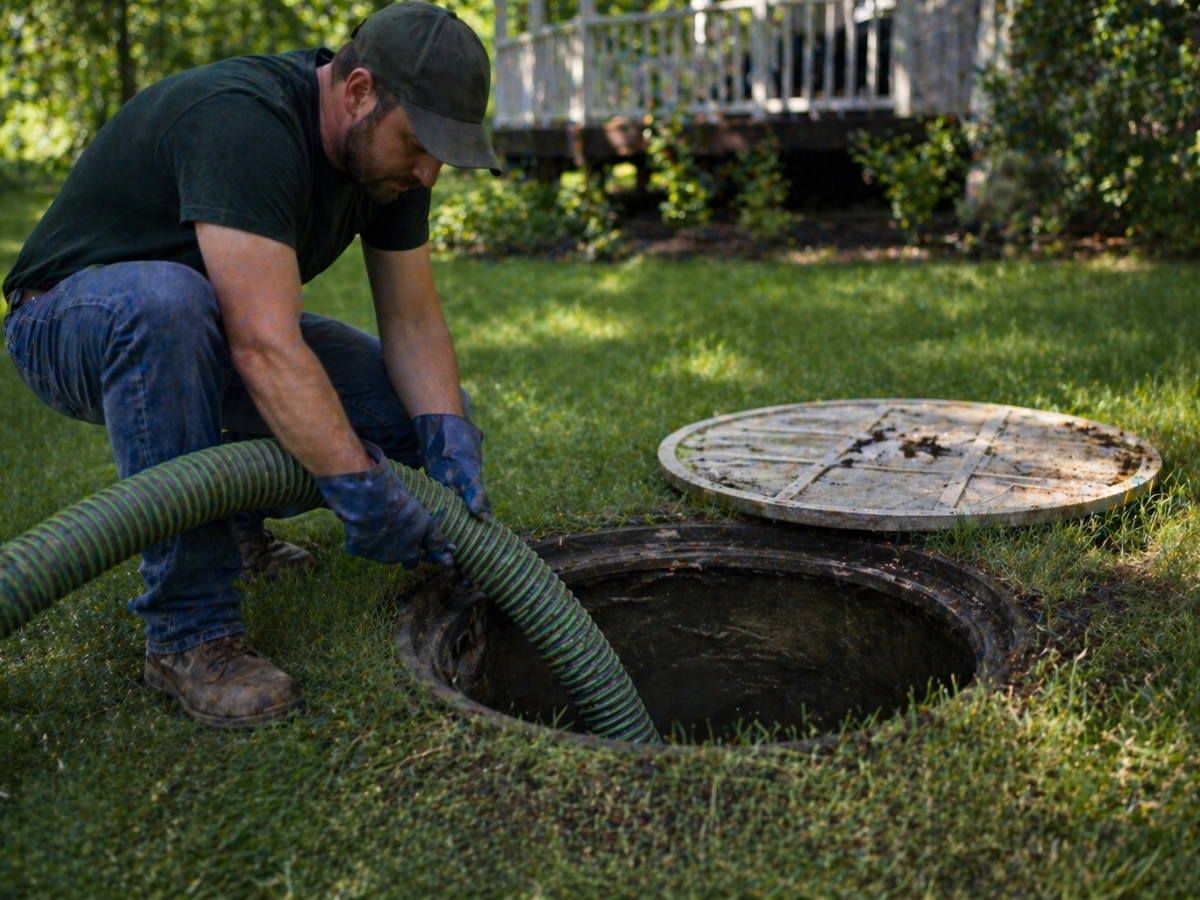
Access is not just about convenience. It protects the health of the entire system. Septic tanks need periodic inspections, and depending on usage and tank size, pumping may be required to prevent solids from building up. If the lid is buried under dense landscaping or blocked by hardscape, technicians may spend extra time locating it, digging it out, or moving obstacles. That added effort can raise costs and may delay needed maintenance.
Clear access also matters when a problem appears. Slow drains, odors, or wet spots in the yard can signal an issue that needs quick attention. In those situations, easy access can speed up diagnosis and reduce the chance of larger damage. Even outside of emergencies, keeping the area open helps homeowners monitor changes in the yard that might point to drainage concerns.
When landscaping around septic access points, the goal is to make the yard look better without turning routine care into a hassle. Removable covers, lightweight containers, and simple rock or gravel designs can all improve the look of the space while keeping the system serviceable. If you plan it right, you get the benefit of cleaner landscaping and the peace of mind that maintenance will not become a major project.
When Should You Call A Septic Professional For Landscaping-Related Issues?
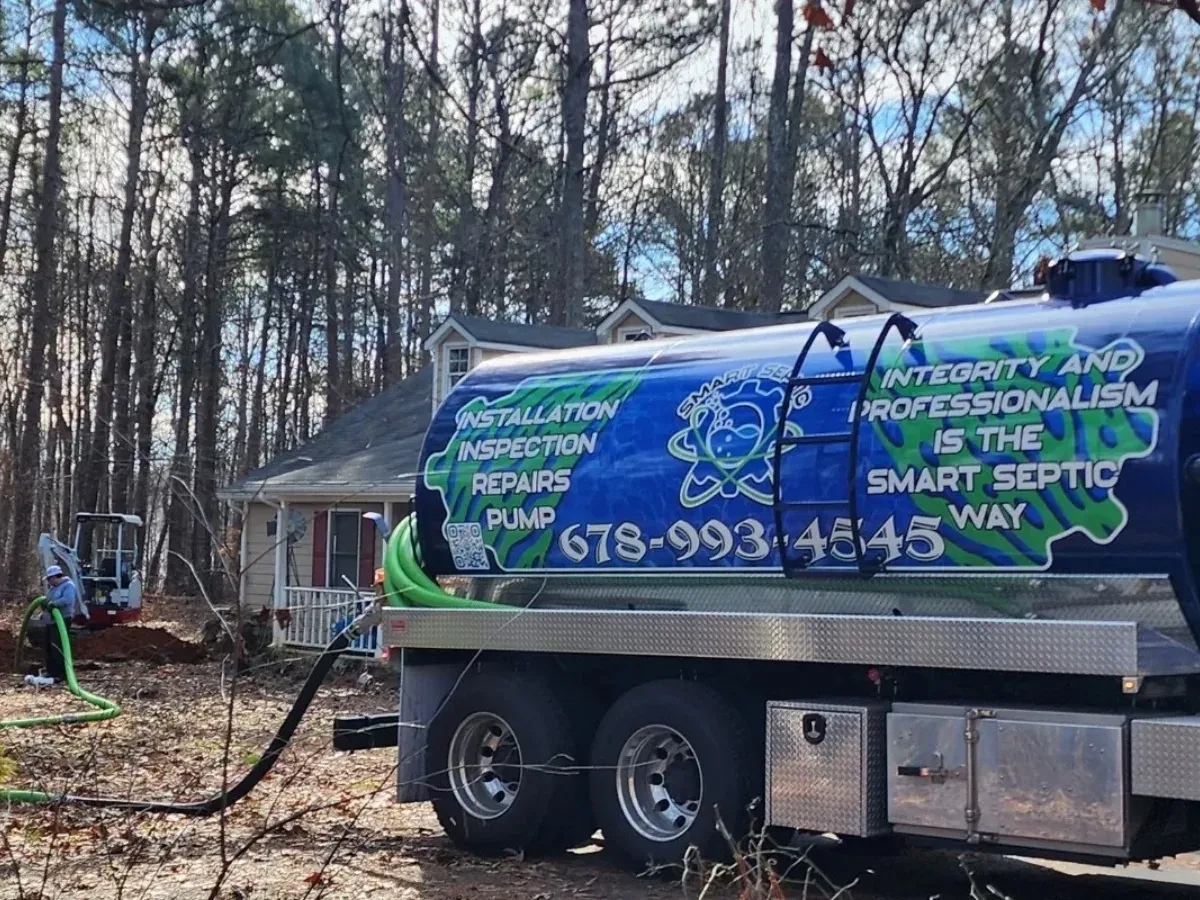
Landscaping can improve the look and usability of a yard, but it can also create septic problems when plant roots, added soil, or drainage changes interfere with how the system works. Many issues start quietly. A tree planted too close to a line grows for a few years, roots spread, and then drains begin slowing down. A new garden bed gets built up over part of the drain field, soil compacts, and water stops dispersing the way it should. Because septic systems are underground, homeowners often do not realize landscaping choices are the cause until the symptoms become hard to ignore.
A good rule is to call a septic professional when you notice changes that do not match normal household use. If one sink drains slowly after a clog, that is usually a simple plumbing issue. If multiple drains slow down at the same time, if gurgling becomes common, or if a problem keeps returning after basic fixes, it is worth getting the septic system checked. The earlier you confirm the cause, the easier it is to address without turning a manageable issue into a larger repair.
How Does Root Intrusion Cause Septic System Damage, and What Are The Signs?
Roots are naturally drawn to moisture, and septic lines provide exactly that. When a tree or shrub is planted too close, roots can work into tiny gaps in pipes or joints, then expand as they grow. Over time, that growth can restrict flow, catch debris, and create blockages. In more serious cases, roots can crack pipes or shift components, leading to leaks and poor system performance.
One of the first signs homeowners notice is slow draining across more than one fixture. Toilets may flush sluggishly, showers may back up, and sinks may take longer to clear. Frequent backups are another red flag, especially if they happen after rain or after normal use rather than a one-time overload. Odors can also be a clue. If you smell sewage outside near the tank or drain field, or you notice musty, unpleasant smells indoors near drains, the system may not be venting or draining properly.
You may also see signs in the yard. Wet spots, unusually green patches of grass, or standing water near the drain field can signal that wastewater is not dispersing the way it should. While landscaping can hide some of these clues, it can also make them worse if soil is compacted or water is being directed toward the septic area. If any of these symptoms show up, it is smart to get an inspection instead of waiting for a full backup.
What Septic Services Does Smart Septic Pros Offer To Address Landscaping Problems?
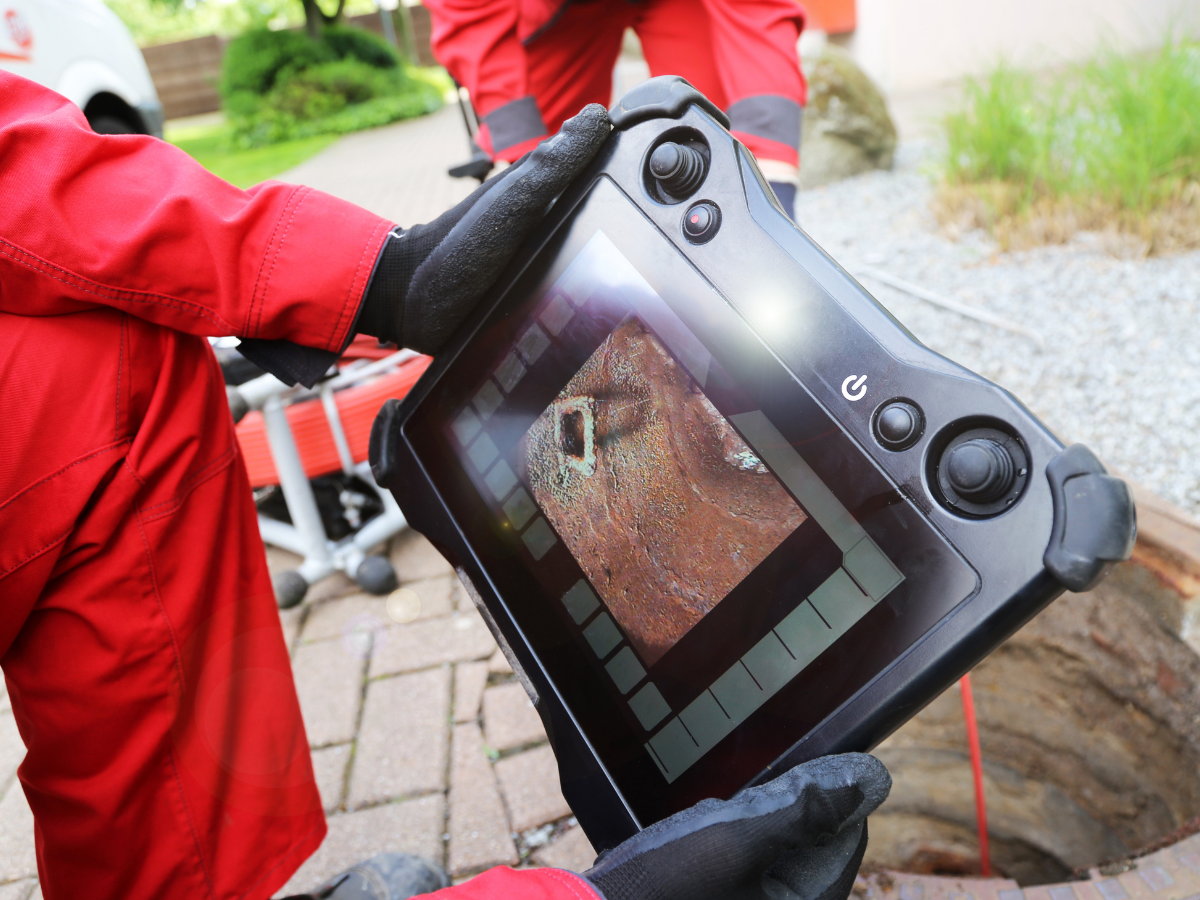
When landscaping appears to be affecting septic performance, the most helpful first step is a professional inspection. An inspection can identify whether the issue is root intrusion, a blockage, a tank that needs pumping, or a drainage problem caused by soil compaction or excess surface water. That clarity matters because the fix for each problem is different, and guessing can lead to wasted time and repeat issues.
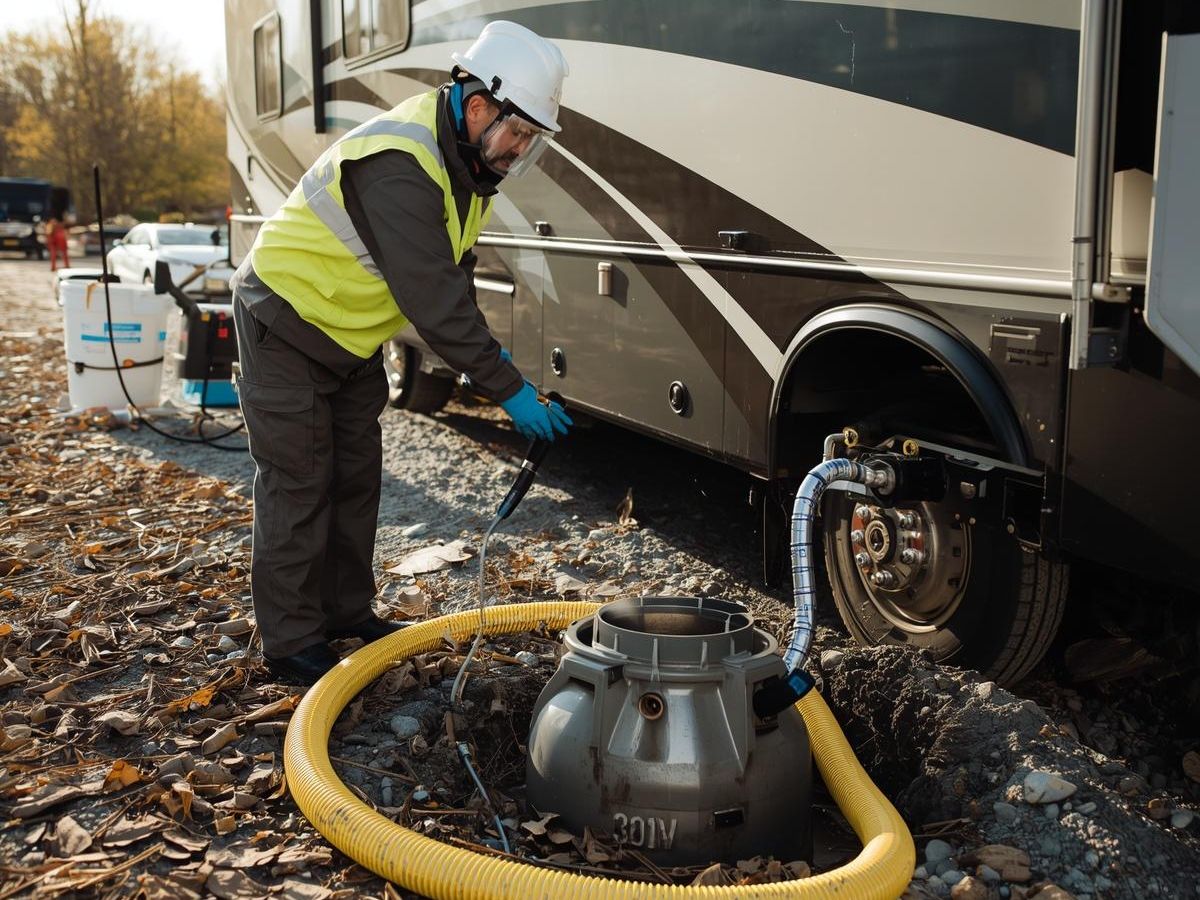
Routine septic tank pumping is another service that often helps prevent backups and keeps the system operating within normal capacity. While pumping does not solve root intrusion on its own, it can reduce stress on the system and limit the chance of solids moving into the drain field. For homeowners who have planted trees or shrubs too close in the past, regular maintenance can also help catch problems early before they become severe.
Repairs and maintenance may be needed if pipes are damaged, if roots have invaded lines, or if components have shifted. A professional can also advise on practical changes to protect the system moving forward, such as adjusting water flow around the yard, keeping heavy equipment off sensitive areas, or changing plant placement. With the right plan, landscaping and septic health can work together instead of competing, and homeowners can enjoy the yard without worrying that every rainstorm or planting project will create a new problem.
Conclusion
Landscaping near your septic system requires thoughtful planning to protect both your beautiful yard and the health of your septic system. By choosing shallow-rooted plants, maintaining proper setbacks, and avoiding water-heavy vegetation near the drain field, you can preserve your landscape’s appeal while preventing costly damage. For expert guidance on septic-safe landscaping or to schedule an inspection of your system, trust the professionals at Smart Septic Pros. Protect your investment with informed choices. Call 678-993-4545 or use our contact form today to speak with our team. Let’s work together to keep your yard beautiful and your septic system functioning flawlessly.