The question of whether septic tank additives are effective is one of the most debated topics among homeowners seeking to maintain their systems. Marketed as solutions to break down waste, reduce pumping frequency, and restore bacterial balance, these products promise convenience and cost savings. However, many industry experts and regulatory agencies caution against their use, citing potential harm to the system’s natural biological processes and the environment.
In this guide, we’ll examine the science behind septic additives, separate fact from marketing fiction, and provide clear recommendations on how to best care for your septic system based on proven, reliable methods.
Are Septic Additives Effective or Just a Waste of Money?
What Are Septic Tank Additives and Their Claimed Benefits?
When people start learning how their septic system works, septic additives often come up as a supposed shortcut to better performance. These products are typically sold as powders, liquids, or tablets that you flush down a toilet or pour into a drain. Most are marketed as a way to “boost” the system by improving how waste breaks down inside the tank. The labels usually promise cleaner tanks, fewer odors, and less frequent pumping.
In reality, a healthy septic system already contains the bacteria it needs. Every time wastewater enters the tank, it brings in new microorganisms that help break down solids. Septic additives are meant to supplement that natural process, but their actual impact can be limited. Some may have no noticeable effect at all, while others can upset the balance inside the tank or push solids into the drain field faster than intended. That is why many professionals stress that regular pumping and sensible water use will do more for system health than any product alone.
Which Types Of Additives Are Commonly Marketed For Septic Systems?
Most septic additives fall into three broad categories, each with a different approach. Biological additives use live bacteria and enzymes. The idea is to add more of the “good” organisms that digest organic waste so that sludge and scum do not build up as quickly. These products try to work with the system rather than against it, although a well-functioning tank usually has enough natural bacteria already.
Chemical additives take a very different route. They may contain acids, alkalis, or solvents that are meant to break up greases, paper, and other solids. While that might sound helpful on the surface, strong chemicals can kill the bacteria that make septic systems work in the first place. Over time, that can slow treatment, send more solids into the drain field, and even damage components in the system.
Enzyme-based treatments sit somewhere between the two ideas. They add specific enzymes that target fats, proteins, or carbohydrates to make those materials easier for existing bacteria to digest. Used carefully, they may have a milder effect than harsh chemicals, but they are still not a substitute for good maintenance. Understanding these differences is important for anyone considering septic additives, because the wrong choice can do more harm than good.
What Performance Improvements Do Additive Manufacturers Claim?
Marketing for septic additives tends to promise three main benefits. The first is faster waste breakdown. Labels often suggest the product will “digest” solids more efficiently, which is supposed to slow the rate at which sludge accumulates. The second is odor control. Many additives claim they will reduce or eliminate septic smells inside and outside the home by changing the balance of bacteria or neutralizing gases. The third is reduced pumping frequency. Some manufacturers imply that, with regular use, you can go longer between pump outs and save money on service.
These claims are appealing, but they should be weighed against independent research and local professional advice. In many cases, the most reliable way to protect a system is still straightforward: pump the tank on a regular schedule, watch what goes down the drains, and fix leaks so you do not overload the system with excess water. Septic additives might have a small role in certain situations, but they cannot replace basic care. When homeowners understand how septic works and focus on proven maintenance practices, they are better equipped to decide whether any additive is worth using at all.
How Does a Septic System Naturally Function Without Additives?

A standard septic system is built to run on its own without any help from septic additives. Every time someone in the home uses a sink, shower, toilet, or appliance, wastewater flows into the septic tank. Inside the tank, gravity and time do most of the work. Heavier solids sink and form a layer of sludge, lighter materials float and form a scum layer, and the liquid in the middle moves on to the drain field for further treatment.
As this is happening, naturally occurring bacteria are breaking down organic material around the clock. These organisms arrive in the tank with the wastewater and continue to multiply as long as conditions stay fairly stable. When the system is sized correctly, used sensibly, and pumped on a regular schedule, it can operate for many years without any assistance from septic additives.
The drain field then takes over the final stage of treatment. Effluent leaving the tank is distributed through perforated pipes and slowly filtered through the soil. Microorganisms in the soil continue to clean the water before it reaches groundwater. This combination of physical settling, biological activity, and soil filtration is the core of how a septic system works in everyday use.
What Role Do Bacteria And Enzymes Play In Waste Breakdown?
Bacteria are the main reason a septic tank can manage such a heavy load of household waste. In the low oxygen environment of the tank, these microbes digest organic material in the wastewater and convert it into gases, liquid, and a smaller volume of solid residue. Their activity keeps sludge from building up as fast as it otherwise would and helps prevent clogging in the system.
Enzymes are part of this same natural cycle. Many of the bacteria in a healthy tank produce enzymes that break down fats, proteins, and carbohydrates into smaller pieces that are easier to digest. This is an ongoing process that begins as soon as wastewater enters the tank and continues as long as the system is in use. Because this internal ecosystem is self-sustaining, extra enzymes from septic additives are often unnecessary for normal operation.
When homeowners understand how septic works at this microscopic level, it becomes easier to see why routine care usually matters more than products. Avoiding harsh chemicals that kill bacteria, spacing out large water uses, and keeping heavy solids out of the system all help the existing microbial community do its job without interruption.
How Are Sludge And Scum Formed And Managed In Septic Tanks?
Over time, every septic tank develops three layers. Sludge collects at the bottom as heavier solids settle out. Scum forms at the surface as oils, grease, and other light materials float. Between those two layers is the liquid effluent that eventually flows to the drain field. Some of the organic material in sludge and scum is slowly broken down by bacteria, but not all of it disappears. This is why pumping is still required even when the system is working properly.
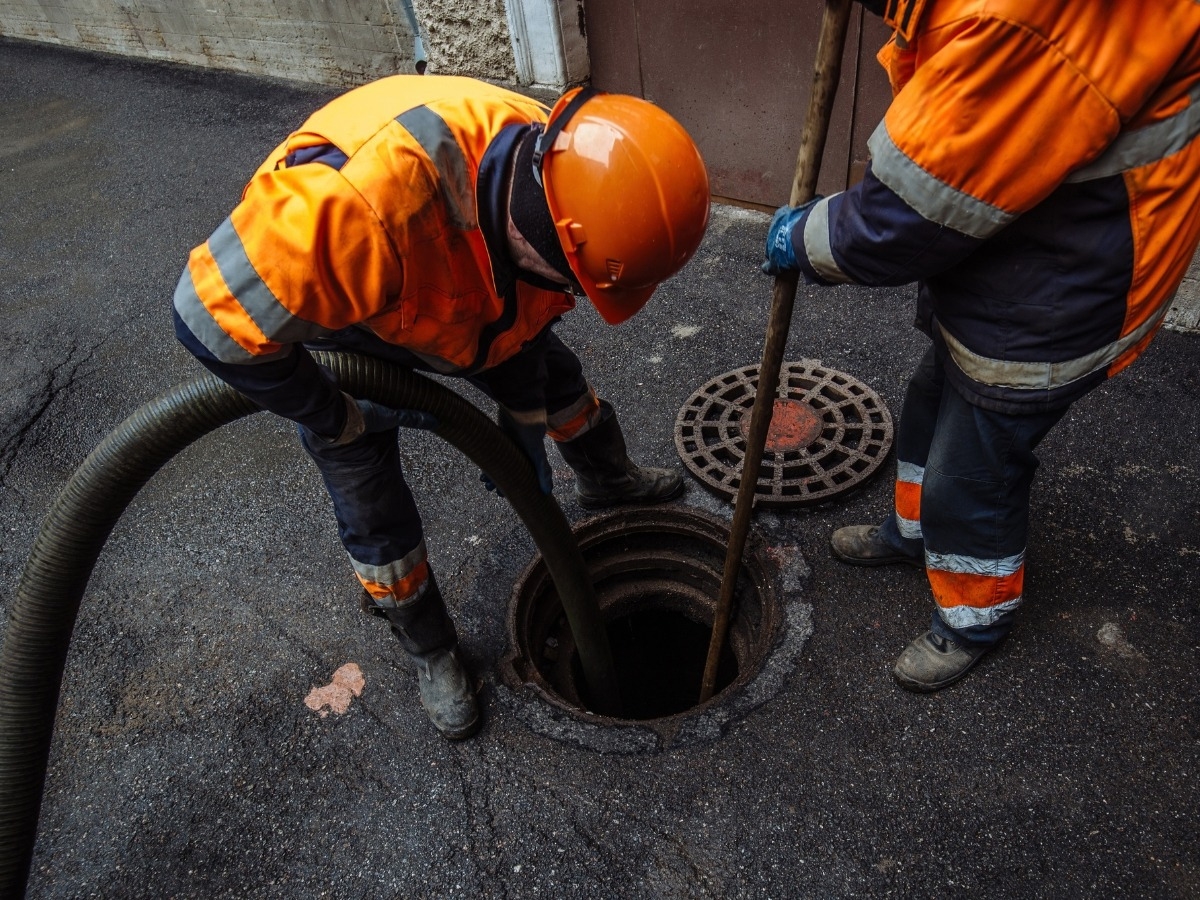
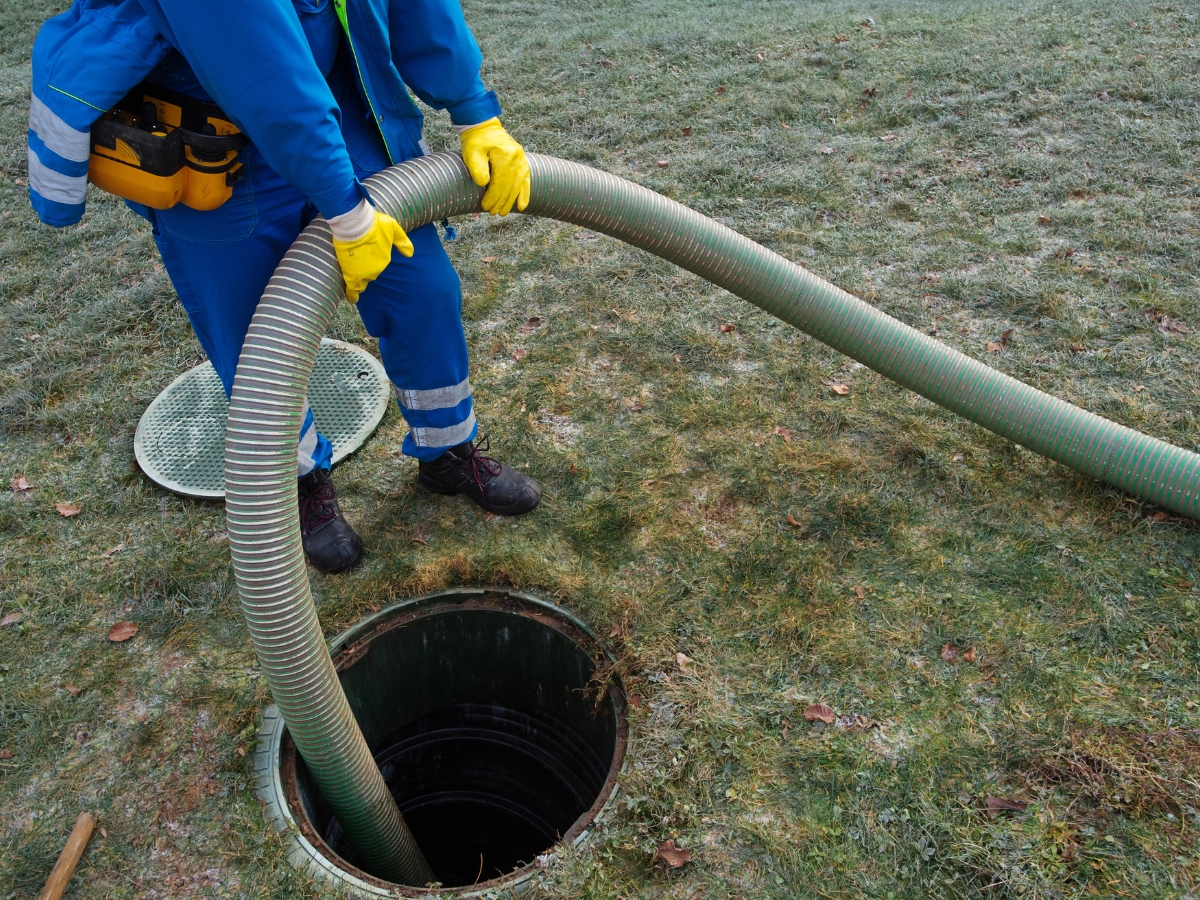
Regular pumping is the main tool for managing these layers. During service, a professional removes accumulated sludge and scum so there is enough space in the tank for new wastewater. If that step is skipped for too long, solids can wash into the drain field and cause expensive damage. This simple maintenance task does more to protect the system than relying on septic additives to dissolve buildup.
Good habits support this basic schedule. Limiting what goes down the drain, fixing leaky fixtures, and keeping records of each pump out help homeowners stay ahead of problems. When people focus on how septic works as a whole system rather than looking for quick chemical fixes, they usually enjoy a more reliable tank, a healthier drain field, and fewer surprise repair bills.
Do Septic Tank Additives Really Work? Scientific and EPA Perspectives
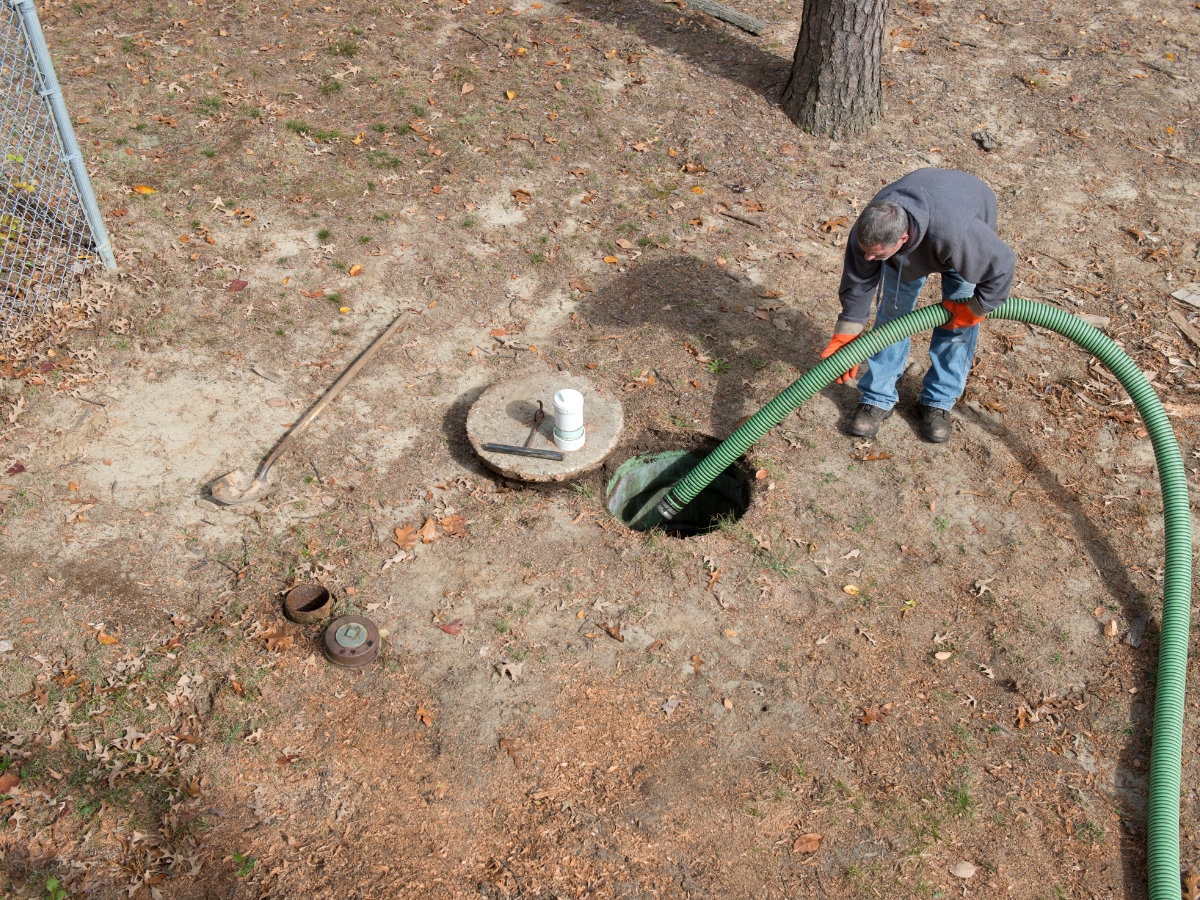
Septic additives are heavily marketed as an easy way to keep a septic system in good shape, cut down on pumping, and fix odors without much effort. For many homeowners, it can be hard to tell whether these products actually help or simply add another expense. Looking at how regulators and researchers view septic additives gives a clearer picture of what they really do and when, if ever, they may be useful.
What Does The EPA Say About Using Septic Tank Additives?
The Environmental Protection Agency takes a cautious view of most septic tank additives. Their guidance emphasizes that a properly designed and routinely maintained system already has all the bacteria it needs to break down waste. In other words, a healthy tank does not depend on extra products to function as intended. When people wonder how septic works, the core answer is that the system relies on natural bacterial activity, regular pumping, and sensible water use, not on continuous dosing with septic additives.
The EPA notes that there is limited independent evidence showing that additives improve performance in a meaningful or consistent way. They point out that some products, especially harsh chemical formulations, may do more harm than good by upsetting the natural bacterial balance inside the tank or pushing solids into the drain field. From their perspective, regular inspections, timely pumping, and good household habits are still the most reliable way to protect a system and the surrounding environment.
Another concern raised by regulators is that septic additives can give homeowners a false sense of security. If someone believes a product will “digest” all the solids or eliminate the need for pumping, they may delay essential maintenance. That postponement is what often leads to expensive repairs, drain field damage, and potential contamination issues. The EPA message is fairly consistent: view additives, if you use them at all, as optional supplements rather than replacements for basic care.
What Research Evidence Exists On Additive Effectiveness?
Research on septic additives shows a mixed and often modest impact. Some studies suggest that certain biological products, which contain additional bacteria or enzymes, may slightly enhance the breakdown of specific types of organic material under controlled conditions. However, those gains are usually small and can be hard to translate into real-world benefits like fewer pump outs or longer system life. When you look closely at how septic works over years of use, tank size, water load, and maintenance history matter far more than periodic dosing with a product.
Other studies raise concerns about chemical additives that claim to “clear” or “open” systems. Strong solvents, degreasers, or caustic ingredients may temporarily move material along, but they can also damage pipes, disturb the tank environment, or transport partially broken-down solids into the drain field. Once the drain field is affected, repairs are far more invasive and costly than a routine pumping schedule would have been. For that reason, many experts advise avoiding chemical septic additives entirely.
Overall, the research trend supports a conservative approach. A system that is appropriately sized, used with care, and pumped on a regular schedule generally does not need additives to perform well. For homeowners trying to decide whether to buy septic additives, the most practical takeaway is this: focus first on understanding how septic works, follow a consistent maintenance plan, and only consider products that do not promise to replace basic tasks like pumping or inspections.
What Are the Potential Risks and Harms of Using Septic Additives?
Septic additives are often marketed as an easy way to “boost” a septic system, cut down on pumping, or solve odor problems without much effort. It sounds convenient, especially if you are trying to avoid big repair bills. However, once you look more closely at how septic systems work, it becomes clear that many products introduce new risks. Instead of helping, some septic additives can interfere with the natural treatment process, damage components, and create environmental problems that are far more expensive to fix than a routine pump out.
How Can Chemical Additives Damage Septic System Bacteria And Infrastructure?
A septic tank is designed to function as a closed, balanced ecosystem. Wastewater flows in, gravity separates solids and liquids, and naturally occurring bacteria break down organic material over time. When that balance stays intact, the system quietly does its job in the background.
Chemical septic additives can upset that balance very quickly. Products that rely on strong solvents, degreasers, or caustic ingredients may break down fats and solids in the short term, but they can also kill or weaken the very bacteria the system depends on. With fewer active bacteria, the tank processes waste more slowly, which allows sludge and scum to build up and move toward the outlet.
Another problem is what happens to solids that are “broken up” too aggressively. Instead of staying put in the tank, they can be pushed into the outlet line and drain field. That material may then clog perforated pipes or the surrounding soil, which is much harder and more expensive to restore than simply pumping the tank on a normal schedule.
Over time, harsh chemical additives may also damage the physical structure of the system. Certain ingredients can contribute to corrosion of concrete tanks, weaken seals, or degrade older plastic components. That kind of damage is usually hidden until a serious failure occurs, at which point repairs often involve excavation and significant cost.
What Environmental Concerns Arise From Additive Use?
The risks of septic additives do not stop at the property line. When chemicals move through the tank and into the drain field, they do not always break down completely. Some can travel with the effluent into the surrounding soil and eventually reach groundwater. For homes that rely on wells, this raises obvious concerns about drinking water quality. Even in areas with municipal water, contaminated groundwater can affect streams, ponds, and nearby ecosystems.
Additives that change how solids behave can also alter how septic effluent moves through the soil. If partially broken-down material clogs the drain field, wastewater may start surfacing in the yard or backing up toward the house. That surface effluent carries nutrients and pathogens that can wash into ditches, creeks, or neighboring properties during heavy rain.
From an environmental standpoint, the safest approach is to minimize unnecessary chemicals entering the system and to lean on the natural bacterial processes the tank already supports. A well-designed system, used sensibly and maintained with regular inspections and pumping, generally does not need septic additives to do its job. For most homeowners, understanding these risks makes it easier to skip the quick-fix marketing and focus on the maintenance habits that protect both the system and the environment in the long run.
What Are Proven Alternatives To Additives For Septic System Health?

If you are trying to keep your septic system in good shape, the most reliable approach is not to pour in more products, but to focus on habits and maintenance that support how the system already works. Septic systems are designed to function on their own, using naturally occurring bacteria to break down waste. When you understand that design, it becomes easier to see why many experts view septic additives as optional at best and risky at worst.
Instead of relying on septic additives to “boost” performance, homeowners get better results from a simple plan that includes routine pumping, periodic inspections, and thoughtful water and waste use. These steps protect the tank and drain field, reduce the chance of backups, and help the system last longer without major repairs. In most homes, those proven practices offer far more value than any product that claims to fix problems through the drain.
Why Is Regular Septic Tank Pumping Essential?
Over time, every septic tank builds up two layers that cannot be broken down completely: sludge on the bottom and scum on the top. The liquid in the middle flows out to the drain field, but those solid layers keep growing. Septic additives often promise to dissolve this buildup, but in many cases they simply stir solids into smaller particles that are more likely to wash into the drain field and cause clogs.
Regular pumping is the proven way to remove sludge and scum safely. Most households need their tank pumped every three to five years, depending on tank size, number of people in the home, and water habits. A septic professional will measure the layers in the tank, recommend timing, and make sure baffles, lids, and access points are in good condition.
Staying on top of pumping does two important things. It keeps solids from reaching the drain field, which is expensive and disruptive to fix if it fails, and it allows a technician to spot early signs of trouble while they are still simple to correct. For long-term health, routine pumping combined with sensible use almost always does more for the system than septic additives.
How Do Routine Inspections And Water Conservation Support System Longevity?
Inspections and smart water use are the other two pillars of a healthy system. A full inspection every one to three years gives a clearer picture of how the system is actually performing. During a visit, a technician can check sludge levels, look for leaks, confirm that the drain field is absorbing effluent properly, and verify that pumps or alarms (if present) are working. Catching small issues at this stage can prevent bigger failures later.
Water conservation matters because every gallon that goes down the drain has to be processed. High, sudden flows can overwhelm the tank and drain field, especially in smaller systems or older homes. Simple changes, such as spacing out laundry loads, fixing dripping fixtures, and choosing efficient toilets and showerheads, reduce the daily workload on the system. That gives bacteria more time to treat waste and helps keep effluent within the designed capacity of the drain field.
When you combine regular pumping, periodic inspections, and thoughtful water use, you create a maintenance routine that supports the system’s natural biology and protects the drain field. For most properties, that approach is a far more dependable strategy than adding septic additives and hoping for quick fixes.
Proven Septic Maintenance Solutions to Avoid Additives

For many Georgia homeowners, the most reliable way to protect a septic system is not to rely on septic additives, but to focus on steady, practical maintenance. Smart Septic Pros centers its work on that idea. Instead of selling quick fixes, they provide services that support how a septic system is designed to work in the first place, using routine care, inspections, and eco-conscious practices to keep tanks and drain fields in good shape.
That approach is especially important in areas with changing rainfall and clay-heavy soils, where a stressed system can fail quickly. By focusing on proven maintenance rather than septic additives, Smart Septic Pros helps homeowners reduce surprise repairs and extend the life of their systems.
What Eco-Friendly Services Does Smart Septic Pros Offer?
Smart Septic Pros offers core services like septic tank pumping, system inspections, and ongoing maintenance with an emphasis on protecting both the system and the surrounding environment. During a pumping visit, technicians do more than just empty the tank. They check sludge and scum levels, look at baffles and lids, and note any warning signs that the drain field may be under strain.
Inspections follow a similar pattern. A technician reviews visible components, evaluates access points and venting, and looks for early indicators of leaks or saturation. When they recommend repairs or adjustments, the goal is to correct the problem with minimal disruption and without introducing unnecessary chemicals into the system.
Eco-friendly maintenance also includes guidance on what to flush, how to manage household cleaners, and how water use affects the tank and drain field. That kind of coaching helps homeowners avoid products that can harm beneficial bacteria, which is a more sustainable strategy than trying to fix damage later with septic additives.
How Can Homeowners Schedule Expert Septic Care And Inspections?
For most properties, a simple schedule is enough to keep things running smoothly. Septic tanks generally need pumping every 3 to 5 years, and a full inspection every 1 to 3 years, depending on household size, tank capacity, and past performance. Smart Septic Pros works with homeowners to set a realistic interval based on actual conditions rather than guesswork.
When service is due, their team arrives with the equipment needed for pumping and diagnostics, then provides feedback on the system’s condition. Over time, these records create a history of sludge levels, pump dates, and any repairs, which makes future planning easier and helps prevent avoidable emergencies.
For urgent situations, such as suspected backups or drain field problems, having an established relationship with a local provider means faster, more informed help. Instead of turning to septic additives in the hope of a quick fix, homeowners have access to technicians who already understand the layout and history of the system.
Proven Maintenance Versus Additive Shortcuts
In practice, regular pumping, thoughtful water use, and periodic inspections do far more to protect a septic system than any additive on the market. Septic additives are often marketed as a way to avoid pump-outs or “boost” bacteria, but in a healthy system the natural bacterial community is already doing that work. When solids are allowed to accumulate, only physical removal will solve the problem.
The services Smart Septic Pros provides are built around that reality. By combining scheduled pump-outs, careful inspection, and eco-friendly maintenance habits, they offer a practical alternative to relying on septic additives and give Georgia homeowners a clear path to long term system health.
| Service Type | Typical Frequency | Main Benefit |
|---|---|---|
| Septic tank pumping | Every 3 to 5 years | Removes sludge and scum, prevents overflow and backups |
| Routine inspection | Every 1 to 3 years | Finds issues early, protects the drain field |
| Eco-friendly maintenance | As needed | Supports bacteria, reduces environmental impact |
Conclusion
While the promise of septic additives can be tempting, the most effective “additive” for your system is consistent, professional maintenance. Regular pumping and inspections by a licensed technician are the only proven methods to ensure long-term health and prevent costly failures. For trustworthy, science-backed care you can rely on, contact Smart Septic Pros. Our team provides the honest assessments and expert septic service your system truly needs. Skip the guesswork and choose proven protection. Call 678-993-4545 or use our contact form today for a consultation. Let’s keep your system running naturally and efficiently.