For homeowners with a septic system, understanding how it functions is more than a matter of curiosity—it’s essential for proper maintenance, preventing costly failures, and protecting your property and local environment. A septic system is a self-contained wastewater treatment solution, relying on natural processes in the tank and soil to safely manage household waste. In this guide, we’ll break down the basic components and stages of a typical septic system, empowering you with the knowledge of how septic works to recognize early warning signs, adopt best practices, and ensure your system operates smoothly for years to come.
How Septic Works and What Every Homeowner Should Know
What Is A Septic System And Why Is It Important?

A septic system is a self-contained wastewater treatment setup that serves homes not connected to a city sewer line. Instead of sending everything to a municipal plant, your household water flows into an underground tank and then out into a drain field on your property. If you have ever wondered how septic works, it is essentially a small, on site treatment system that relies on gravity, time, and helpful bacteria to do the job.
Septic systems matter because they protect both your property and the local environment. When they are working correctly, they keep harmful bacteria, viruses, and excess nutrients out of nearby wells, streams, and lakes. That protects drinking water and reduces pollution. A neglected or failing system, on the other hand, can leak, back up into the home, or contaminate groundwater, which is why understanding how septic works is not just a curiosity but a practical responsibility for homeowners.
How Septic Works To Treat Wastewater At Home
Every drain in your house connects to a main pipe that carries wastewater into the septic tank. Inside the tank, gravity takes over. Heavier solids settle to the bottom and form a layer of sludge. Lighter materials, such as fats, oils, and grease, float to the top and form a scum layer. The middle layer, called effluent, is mostly liquid and is what moves on to the next stage.
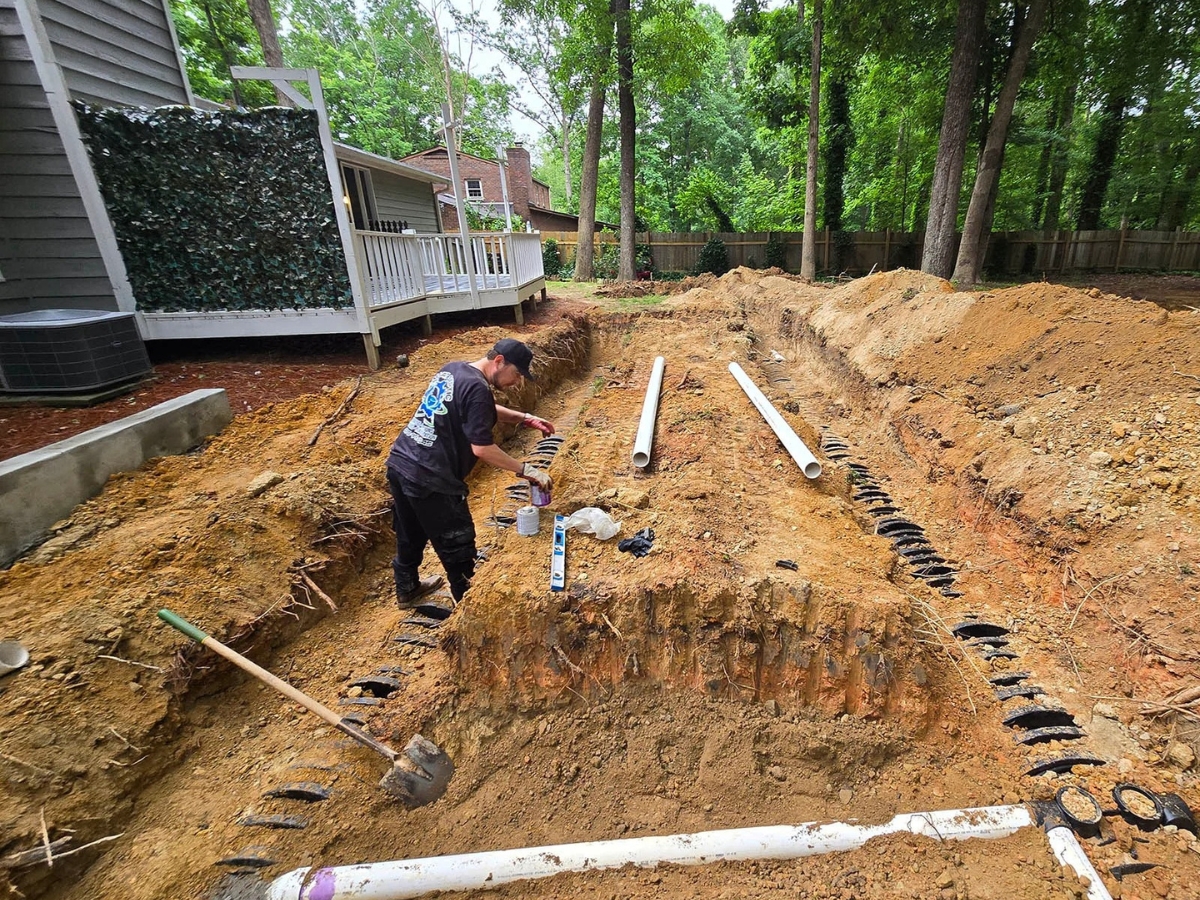
From the tank, this effluent flows into a drain field, sometimes called a leach field. The drain field is made up of perforated pipes buried in gravel trenches. As the effluent seeps out of these pipes, it filters through the surrounding soil. Naturally occurring bacteria in the soil break down remaining organic matter and harmful pathogens. This combination of physical filtration and biological treatment is the heart of how septic works. By the time the water reaches deeper soil layers, it has been cleaned enough to safely rejoin the groundwater.
Key Benefits And Responsibilities For Homeowners
Owning a home with a septic system has several advantages. You are not paying monthly sewer fees, and a properly designed and maintained system can run quietly in the background for many years. Septic systems can also be more sustainable in rural or low density areas, because they treat water close to where it is produced instead of relying on long, energy intensive sewer networks.
That said, homeowners have clear responsibilities. The tank needs periodic pumping to remove the sludge and scum that do not break down fully over time. If those layers get too thick, they can clog the outlet to the drain field and cause backups or drain field damage. Conserving water, spacing out laundry loads, and avoiding flushing wipes, chemicals, and grease all help the system work more efficiently. Regular inspections, usually every few years, catch early warning signs such as slow drains, wet spots over the drain field, or strong odors around the tank.
Why Understanding Your System Helps Avoid Costly Problems
Knowing the basics of how septic works makes it easier to notice when something seems off and to take simple preventive steps. Small habits, like keeping heavy vehicles off the drain field or fixing leaky toilets, can extend the life of the system and prevent expensive repairs. When you understand where the tank and drain field are located, how they function, and what they need to stay healthy, you are better equipped to protect your home, your budget, and the environment around you.
What Are the Main Components of a Septic System?

Understanding how septic works starts with knowing the basic parts that keep everything moving behind the scenes. A typical home septic system quietly handles every shower, toilet flush, and laundry load, so it helps to know what each component does and how it fits into the larger process. When you understand the layout, it is much easier to spot issues early and take care of routine maintenance before problems get expensive.
What Are The Main Components Of A Septic System?
Most residential systems are built around three main elements: the sewer line from the house, the septic tank, and the drain field. Wastewater leaves the home through the main drainpipe and flows by gravity into the septic tank, an underground, watertight container usually made of concrete, fiberglass, or plastic. From there, clarified liquid moves on to the drain field, which is a network of perforated pipes laid in gravel filled trenches.
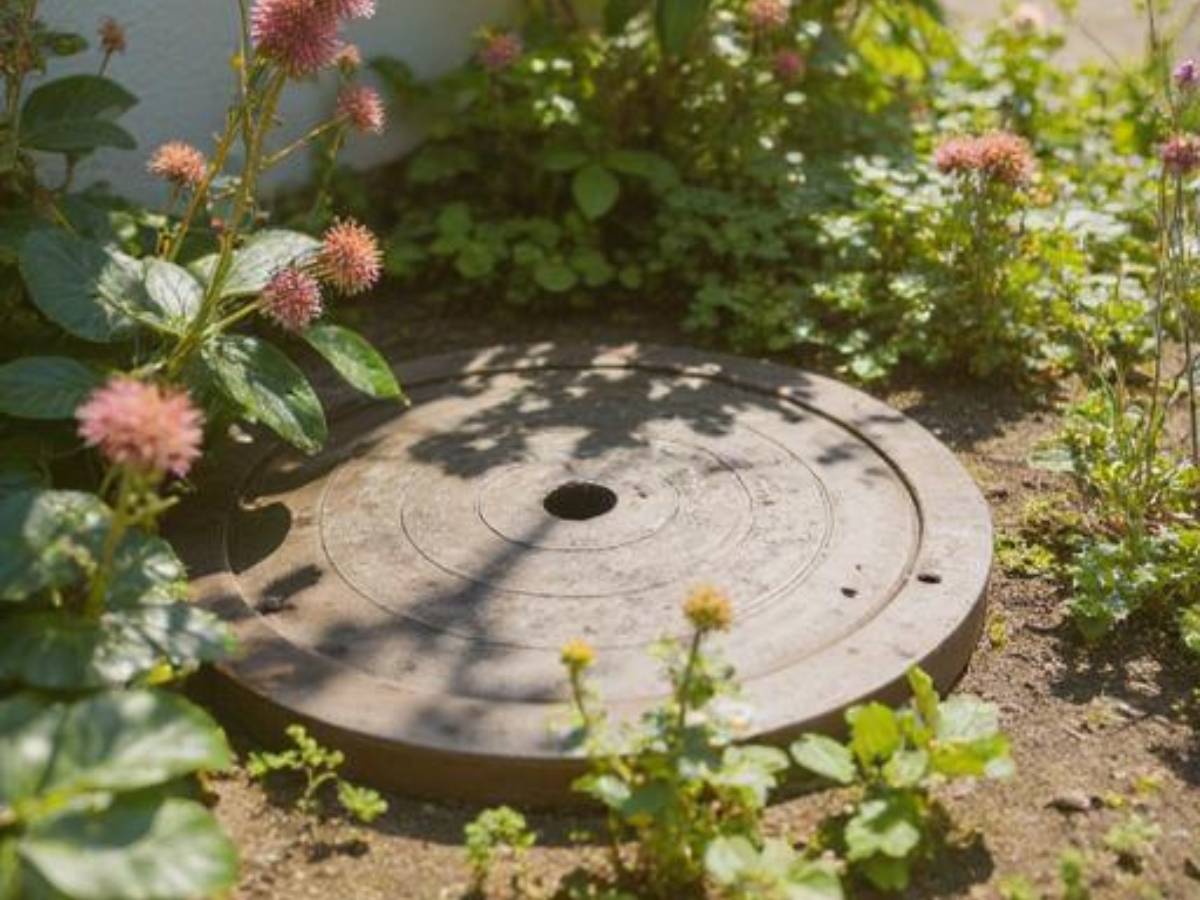
There are also smaller but important parts that support how septic works day to day. Baffles or tees at the inlet and outlet of the tank slow incoming flow and keep scum and sludge from escaping into the drain field. Access risers and lids allow inspections and pumping. In some properties with tricky slopes or higher water demand, there may be a pump chamber or distribution box that helps send effluent evenly into different parts of the drain field.
How Does The Septic Tank Function In Wastewater Treatment?
The septic tank is the first treatment step and sets the tone for how well the rest of the system performs. As wastewater enters, it slows down enough for gravity to separate it into three layers. Heavy solids sink to form sludge at the bottom. Lighter materials such as oils, fats, and grease float to the top and form a scum layer. In the middle is the liquid layer, called effluent, which is what eventually moves on to the drain field.
Inside the tank, anaerobic bacteria start breaking down some of the organic material in the sludge and scum. This biological activity helps reduce volume and stabilizes the waste, but it does not remove everything, which is why regular pumping is still necessary. When the tank is working properly, only the clarified effluent flows out through the outlet baffle. If sludge builds up too high, solids can reach the drain field and cause clogs, so understanding how septic works at this stage is key to preventing early system failure.
What Role Does The Drain Field Play In Effluent Absorption?
Once effluent leaves the tank, it enters the drain field, also called the leach field. Here, the goal is slow, even dispersal into the surrounding soil. Perforated pipes rest in gravel trenches, allowing the effluent to seep out gradually. As it moves through the gravel and soil, physical filtration and natural soil bacteria work together to remove remaining pathogens and nutrients.
Healthy soil is a critical part of how septic works overall. The drain field needs unsaturated, well-structured soil to treat and absorb water effectively. Driving or parking on this area can compact the soil and crush pipes. Excess water from roof drains or irrigation can saturate the ground and reduce its ability to filter wastewater. When the drain field is protected and not overloaded, it quietly finishes the treatment process and returns cleaner water to the environment.
By knowing what each component does and how they connect, homeowners can better care for their systems, schedule timely inspections and pumping, and recognize early warning signs before they turn into expensive repairs.
How Does the Wastewater Treatment Process Work in a Septic System?

Understanding how septic works helps homeowners see what is happening after every shower, laundry load, and toilet flush. A standard septic system treats all of that wastewater on site, using a combination of gravity, bacteria, and soil to clean it before it returns to the ground. When you know the basic stages, it is easier to take care of the system and avoid preventable failures.
How Does The Wastewater Treatment Process Work In A Septic System?
The treatment process begins the moment wastewater leaves your home. Used water flows through the main drainpipe and into the septic tank, where it slows down enough for gravity to do its job. Heavier solids settle toward the bottom, fats and oils float to the top, and the clearer liquid remains in the middle. That separation step is the starting point for how septic works and determines how well the rest of the system can function.
As new wastewater enters the tank, the same process repeats and pushes older effluent out through the outlet. This liquid then moves into the drain field, where it is distributed through perforated pipes into the surrounding soil. The drain field is designed to release effluent slowly so that soil and microorganisms have time to filter and treat it. When everything is working correctly, this process runs quietly in the background and safely handles all household wastewater.
What Happens To Sludge, Scum, And Effluent Inside The Tank?
Inside the tank, wastewater separates into three main layers. Sludge is the heavy material that sinks to the bottom. It includes things like toilet paper fibers and other solids that do not easily break down. Scum is the lighter material that floats and is often made up of fats, oils, and grease. The middle layer is the liquid effluent, which is what flows out to the drain field.
Over time, sludge and scum build up and reduce the working volume of the tank. If the tank is not pumped regularly, these layers can rise high enough to reach the outlet and allow solids to move into the drain field. That can clog pipes, shorten the life of the system, and lead to slow drains or backups inside the home. Routine inspections and pumping keep sludge and scum at manageable levels, which is a key part of how septic works over decades rather than just a few years.
How Do Bacteria And Soil Filter Wastewater Effectively?
Bacteria are doing most of the treatment work in both the tank and the drain field. Inside the tank, anaerobic bacteria thrive in the low-oxygen environment and begin breaking down organic material in the sludge and scum. This digestion process reduces the volume of solids and stabilizes some of the waste, which helps the tank operate more efficiently between pump outs.
Once effluent reaches the drain field, the soil becomes the main treatment layer. As the liquid moves through gravel and into the surrounding soil, it passes by a rich community of soil microorganisms. These microbes remove many of the remaining pathogens and nutrients as the water filters downward. The structure of the soil itself also helps by physically trapping particles and slowing the flow. Healthy, unsaturated soil is essential to how septic works, because it finishes the cleaning process before the water returns to the groundwater.
When homeowners understand the roles of the tank, bacteria, and drain field, they are better prepared to maintain the system. Simple habits, like spacing out laundry loads, avoiding excess grease, and scheduling regular pumping, support the natural treatment process and help the system protect both the property and the local environment.
What Are Essential Septic Tank Maintenance Practices?

Routine care is a big part of understanding how septic works. A septic system is always running in the background, separating solids, treating wastewater, and slowly releasing treated effluent into the soil. When maintenance is neglected, that quiet process can shift into clogs, odors, or even system failure. A few consistent habits go a long way toward keeping everything working as designed.
How Often Should You Pump And Inspect Your Septic Tank?
Most households need septic tank pumping every three to five years, but that range is only a starting point. The right interval depends on tank size, how many people live in the home, and how much water you use day to day. A small tank serving a large family may need more frequent service, while a larger tank on a smaller property may go longer between pump outs.
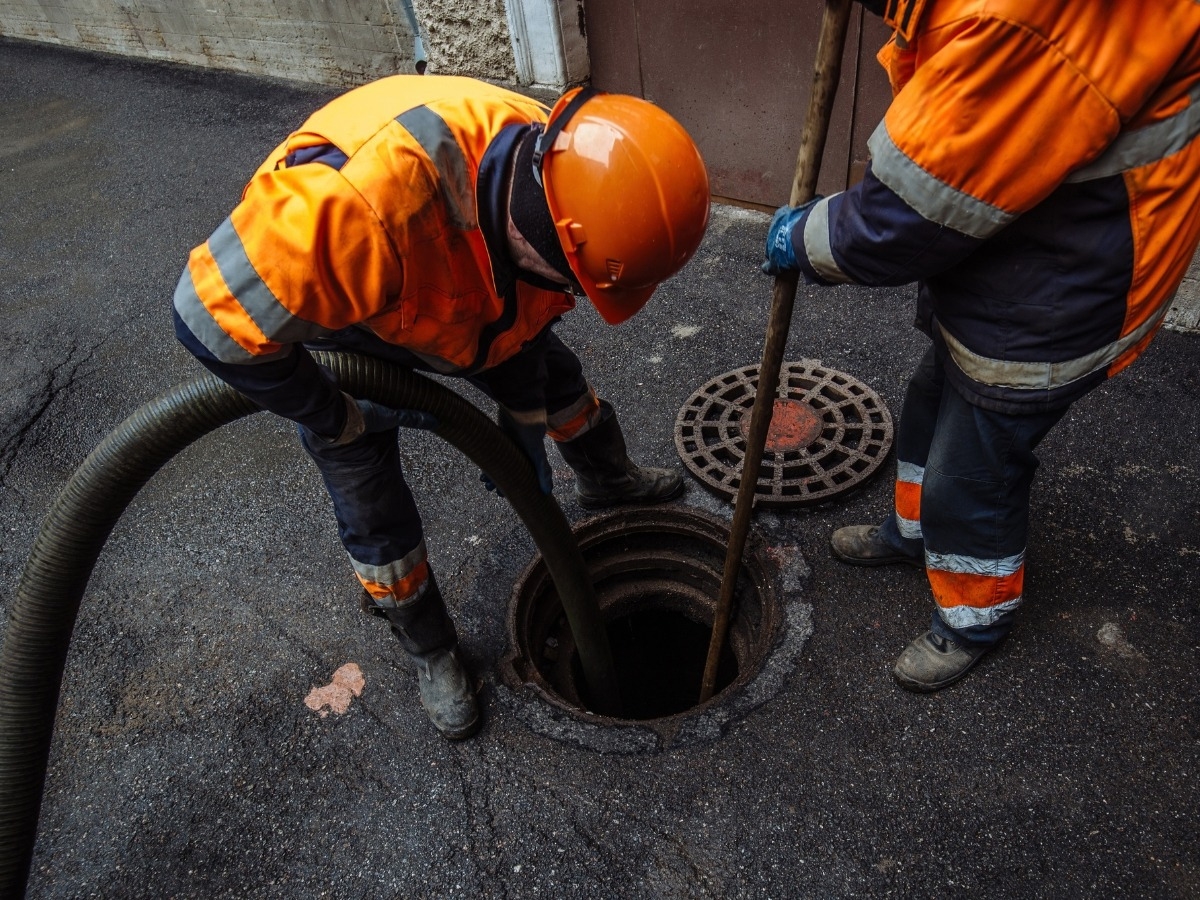
Inspections are just as important as pumping. A qualified technician can measure sludge and scum levels, check baffles and tees, and look for early signs of problems in the tank and drain field. This is where knowing how septic works really matters: if solids build up too far, they can leave the tank and clog the drain field, which is much more expensive to fix than a routine pump out. Pay attention to warning signs between visits, such as slow drains, gurgling in plumbing fixtures, wet spots or unusually lush grass near the drain field, and persistent sewage odors. Those are signals to schedule an inspection sooner rather than later.
What Are Best Practices For Water Conservation And Waste Disposal?
Water use has a direct effect on how septic works because every gallon that enters the house eventually reaches the tank. Conserving water reduces stress on the system and gives the soil in the drain field time to absorb and treat effluent. Simple changes help, such as installing low-flow toilets and showerheads, fixing dripping faucets, and spreading out high-demand tasks like laundry over several days instead of doing many loads in one afternoon.
Waste disposal habits matter just as much. A septic system is designed to handle wastewater, toilet paper, and human waste. Everything else is extra work for the tank and bacteria. Avoid flushing wipes, even if the packaging says they are flushable, along with paper towels, feminine products, dental floss, and similar items that do not break down easily. In the kitchen, scrape plates into the trash rather than the sink, and pour used cooking oil or grease into a container to throw away once it cools. Harsh chemicals, large doses of drain cleaner, and strong disinfectants can upset the bacterial balance that makes treatment possible, so use them sparingly and follow label directions.
How Do Daily Habits Support Long-Term Septic Health?
Good daily habits tie all of this together. When you understand how septic works, it becomes easier to see why small decisions add up over time. Spacing out showers and laundry prevents sudden surges that can stir up solids in the tank. Keeping vehicles and heavy equipment off the drain field protects the soil structure and buried pipes. Marking the location of the tank and access points makes future inspections and pumping faster and less disruptive.
It also helps to keep basic records. Note the date of each inspection and pump out, any repairs made, and recommendations from your technician. Those details guide future maintenance and can be useful if you sell the home. With consistent pumping, mindful water use, and sensible waste habits, a septic system can run quietly for many years, protecting both your property and the surrounding environment.
Identifying Common Septic System Issues and Solutions

When you understand how septic works, it becomes easier to spot when something is going wrong. A healthy septic system quietly handles wastewater in the background. When it starts to struggle, you will usually see changes inside the house or out in the yard long before there is a full breakdown. Paying attention to those early signs can save you from major repairs and protect nearby soil and groundwater.
Common Signs Of Septic System Failure
The first warning signs often show up indoors. Drains that slow down across several fixtures, toilets that bubble or gurgle when other fixtures are used, and occasional sewage smells near sinks or tubs all suggest the system is having trouble moving effluent away from the house. If only one sink is slow, the problem may be a simple plumbing clog. When multiple fixtures are affected, it is more likely related to how septic works as a whole.
Outside, a failing system often reveals itself through soggy or spongy spots above the tank or drain field, standing water that has no clear cause, or an area of grass that suddenly looks much greener and thicker than the surrounding yard. Those changes usually mean the drain field is no longer absorbing effluent as it should, so partially treated wastewater is reaching the surface. Persistent sewage odors around the tank or drain field are another clear sign that something is not functioning correctly.
How Septic Problems Develop Over Time
Most septic failures do not happen overnight. They build slowly as solids accumulate in the tank, roots intrude into lines, or the drain field becomes overloaded. When tanks are not pumped on a regular schedule, sludge can rise high enough to flow out with the effluent and clog distribution lines. That upsets how septic works by blocking the routes that effluent uses to reach the soil, which then pushes wastewater back toward the house.
Heavy water use can speed up this process. Running many loads of laundry in a single day or sending large volumes of water from hot tubs or backwash cycles into the system can saturate the drain field. In clay-heavy soils, common in many parts of Georgia, that extra load lingers and makes it harder for the soil to accept and treat new effluent. Over time, the soil structure can seal off, and the system loses its ability to drain.
When To Call A Septic Professional
Some basic checks are safe for homeowners. You can cut back on water use for a day or two, look for visible leaks inside, and walk the yard to see whether there are obvious wet spots or odors. If slow drains or smells clear up quickly after a short period of reduced use, the system may simply be catching up after a heavy load.
However, recurring slow drains throughout the house, gurgling noises in multiple fixtures, sewage backing up into tubs or floor drains, or standing wastewater near the tank or drain field are all reasons to call a septic professional immediately. Those signs indicate conditions that cannot be solved with household drain cleaners or plungers and may get worse if you keep using water as usual.
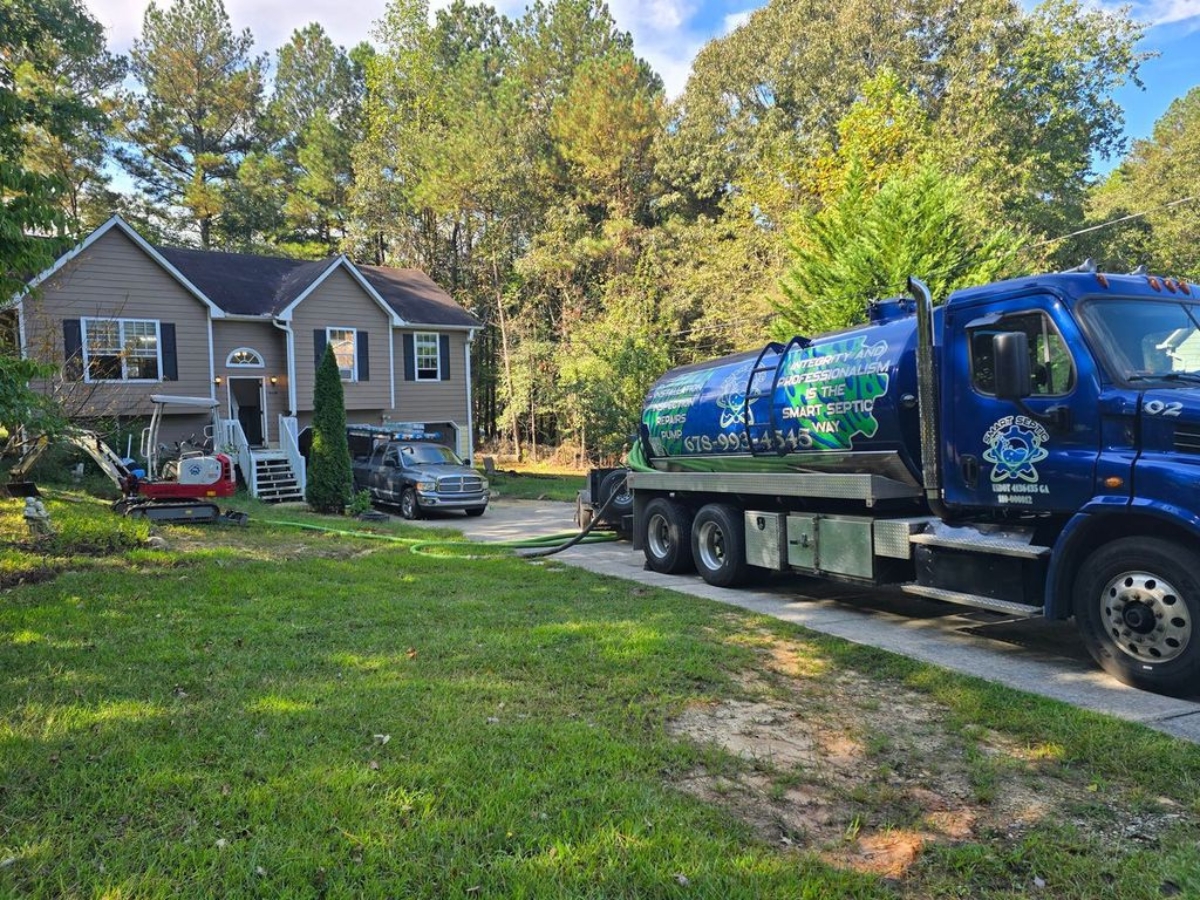
A local specialist can locate the tank and lines, measure sludge levels, check for broken or blocked components, and decide whether pumping, repairs, or drain field work are needed. Companies such as Smart Septic Pros focus on inspection, pumping, and repair that restores proper function and helps homeowners understand how septic works so they can avoid repeat problems. Acting quickly when you notice early warning signs is the best way to protect your home, your yard, and the environment around you.
How Do Different Types Of Septic Systems Compare, and What Are Their Benefits?

To understand the options available for your property, it helps to start with a basic picture of how septic works. Every system has the same core job: move wastewater away from the house, treat it safely, and return clean water to the ground. The way each system handles those steps can look very different. Conventional systems rely mainly on gravity and soil to finish the treatment process, while alternative designs add extra equipment to manage difficult sites or stricter local rules. Knowing which approach fits your land and household use will make long-term maintenance easier and more predictable.
What Are Conventional And Alternative Septic System Types?
A conventional septic system is the setup most people imagine when they think about how septic works. Wastewater leaves the home, enters a buried tank where solids settle and begin to break down, and then flows out to a drain field. In the drain field, perforated pipes distribute effluent into the soil, which acts as a final filter and treatment layer. These systems work well on properties with suitable soil, enough space, and normal groundwater levels.
Alternative systems are designed for sites that do not meet those ideal conditions. They may use aerobic treatment units that add oxygen to support different bacteria, sand or media filters that provide extra treatment before the drain field, or drip dispersal lines that spread effluent more gently in tight spaces. These technologies are often used where soil drains poorly, groundwater is high, slopes are steep, or the lot size is small. While alternative systems can be more complex and require closer monitoring, they allow safe wastewater treatment on properties where a standard system would struggle or fail.
How To Choose The Right Septic System For Your Property
Choosing the right system starts with a site evaluation. Soil type, slope, available space, and local setback requirements all influence which designs are even possible. A qualified designer or installer will usually order a soil test, measure the lot, and review local codes before recommending options. They will also match system size to the number of bedrooms or expected daily water use so the tank and drain field are not overloaded.
It is just as important to think about long term upkeep as it is to think about installation cost. Some alternative systems need power, alarms, and more frequent inspections, which adds to ongoing expenses. Conventional systems are often simpler to maintain but still need routine care. The small maintenance tasks that support any system include scheduled pumping, regular inspections, and everyday water conservation inside the home.
You can use a basic maintenance schedule like the one below as a starting point:
| Maintenance Task | Frequency | Importance |
|---|---|---|
| Pumping | Every 3 to 5 years | Prevents overflow, backups, and drain field damage |
| Inspection | Every 1 to 3 years | Identifies developing issues before they become major |
| Water conservation | Ongoing | Reduces strain on the tank and drain field |
Local septic professionals can help tailor this schedule to your specific system, soil conditions, and household size. Providers such as Smart Septic Pros in Georgia focus on inspection, pumping, and education so homeowners understand how septic works on their property and what they need to stay healthy. By pairing the right system design with steady, realistic maintenance, you protect your investment, your yard, and nearby water resources for many years.
Conclusion
Understanding how your septic system works is the first step toward responsible homeownership, helping you prevent costly failures and maintain a healthy, functional property. By knowing what happens from drain to drain field, you can make informed decisions about water usage, maintenance, and when to call a professional. For expert care, routine service, and emergency support, trust Smart Septic Pros. Our licensed team is dedicated to keeping your septic system running smoothly for years to come. Have questions or ready to schedule service? Call 678-993-4545 or use our contact form today for a consultation. Protect your home’s hidden essential with the pros you can count on.