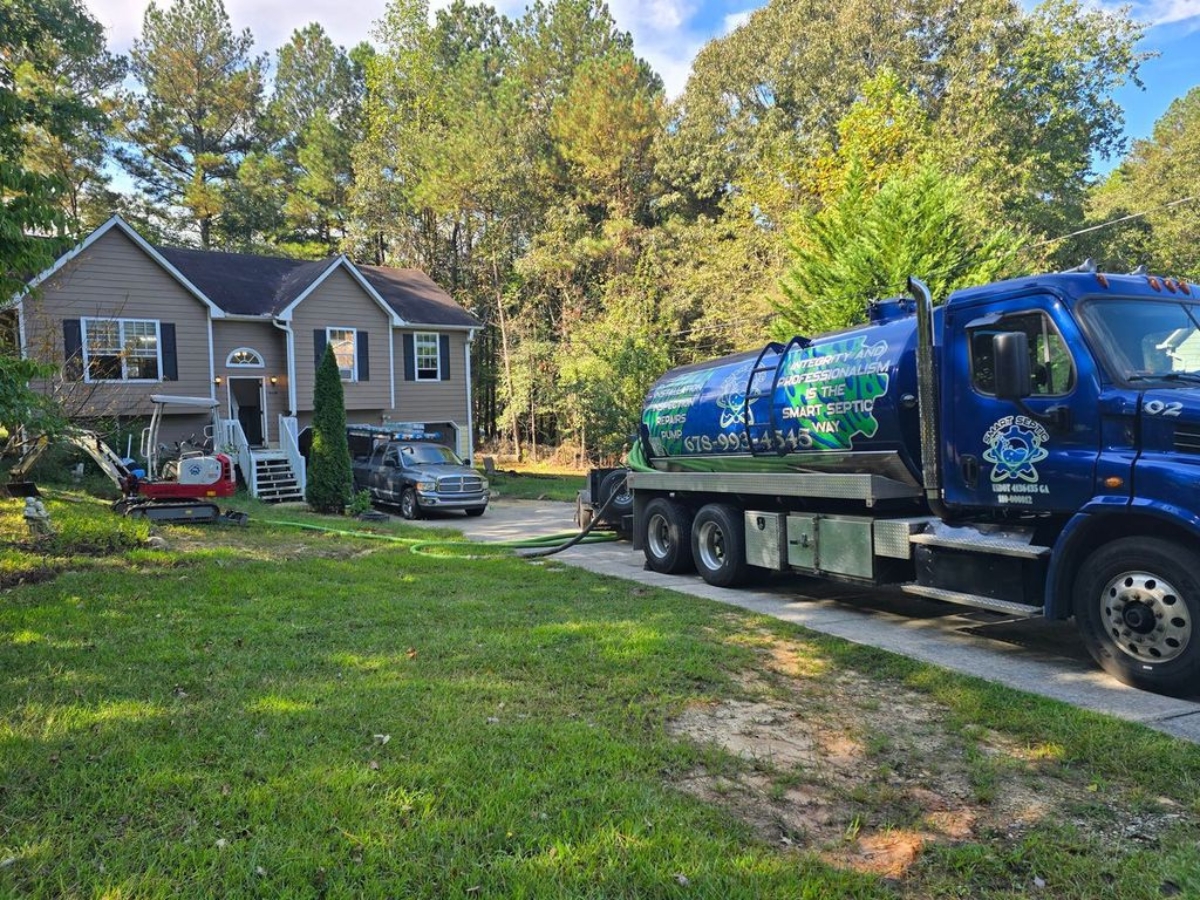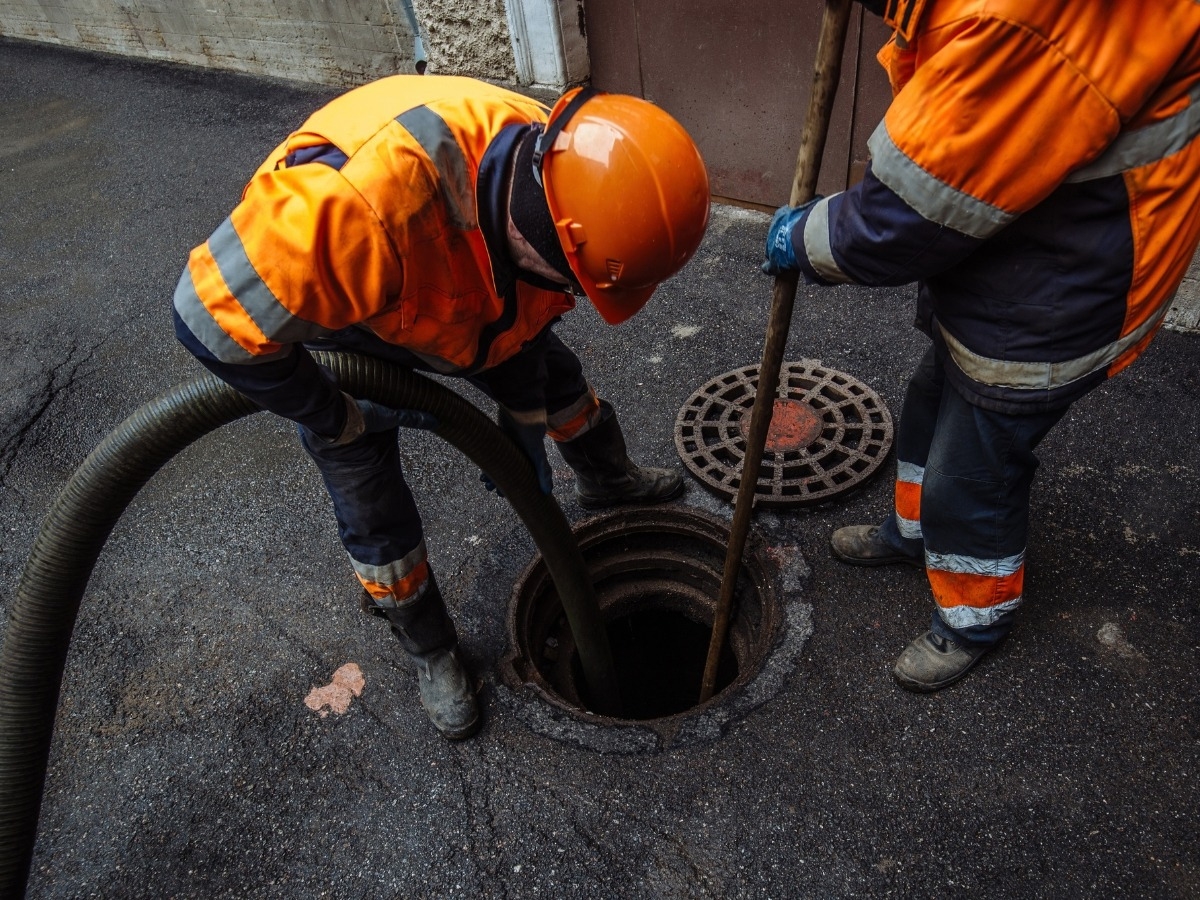

As the new year approaches, planning for a septic system upgrade Woodstock, GA, is a forward-thinking investment that can prevent costly emergencies, increase property value, and ensure your home meets future demands. Whether you’re dealing with an aging system, expanding your household, or proactively enhancing efficiency, modern upgrades—like advanced aerobic treatment units or improved drain field designs—offer greater reliability and environmental protection.
In this article, we’ll explore the key considerations for planning your upgrade, from local regulations and soil evaluations to budgeting and timing, so you can enter the new year with a more robust and dependable wastewater solution.
Septic System Upgrade Woodstock Homeowners Should Consider
Why Consider a Septic System Upgrade in Woodstock, GA?

For many homeowners, septic system upgrades Woodstock are less about luxury and more about keeping the property safe, comfortable, and marketable. An upgrade can replace worn components, correct design issues from older installations, and bring your system in line with current Cherokee County and state regulations. When a system functions properly, you are less likely to deal with backups, unpleasant odors in the yard, or soggy spots near the drain field. You also reduce the risk of untreated wastewater reaching wells, creeks, or neighboring lots.
In Woodstock, smaller lots and challenging North Georgia soils can make older, gravity-only systems work harder than they were designed to. Upgrading allows you to consider more efficient options such as aerobic treatment units, pressure distribution, or redesigned drain fields that fit better on tight or sloped sites. These improvements often extend system life, protect nearby groundwater, and provide clear documentation that can help when you decide to sell. Starting the year with a plan for septic system upgrades Woodstock can be a smart way to manage long-term maintenance instead of waiting for an emergency.
What Are the Signs You Need a Septic System Repair or Replacement?
Most failing systems provide early clues before a full breakdown. Paying attention to patterns in fixtures and yard conditions helps you decide when it is time to call for a professional inspection. Persistent sewage odors around the tank, drain field, or property edges often mean effluent is not staying contained or is surfacing instead of soaking in properly. Slow drains in more than one fixture, gurgling sounds in toilets, or recurring backups after you have already tried basic clearing are other warning signs that the problem is beyond a simple clog.
Outside, a drain field that stays boggy in dry weather, or grass that suddenly looks greener and thicker in one strip, may indicate that wastewater is rising too close to the surface. An increased need for pumping, especially if the schedule used to be stable, can also suggest that the field is no longer dispersing water as it should. If your system has an alarm panel, frequent alerts or consistently high water levels in the tank point to mechanical issues that should not be ignored. When several of these signs appear together, an inspection helps you decide whether targeted repairs, component replacement, or a full system upgrade makes the most sense.
How Do Upgrades Affect Property Value and Compliance?
Upgrading an aging septic system does more than fix a nuisance problem inside the house. Modern components and properly sized drain fields bring your property up to current health and environmental standards, which can make it easier to refinance or sell. Buyers and appraisers often look for recent septic inspections and documented, permitted work as proof that wastewater is being handled correctly. A clear paper trail can reduce the chance of last-minute repair demands or price negotiations tied to unknown septic conditions.
From a compliance perspective, septic system upgrades reduce the risk of violations related to untreated or poorly treated effluent. Systems that are matched to soil type, lot layout, and household usage place less stress on the environment and nearby water sources. In practical terms, that translates to fewer surprise repairs, a more comfortable yard, and a stronger position when it is time to show the home. For many Woodstock homeowners, viewing septic improvements as part of overall property stewardship rather than a one-time emergency expense makes planning and budgeting easier over the long run.
What Types Of Septic System Upgrades Are Available In Woodstock, GA?

Homeowners exploring septic system upgrades Woodstock have a wider range of options today than when many systems were first installed. Upgrades can be as straightforward as replacing an aging tank with a modern concrete or poly tank, or as involved as redesigning the entire treatment and dispersal setup to fit a small or difficult lot. Conventional replacements still rely on a gravity-fed tank and drain field, which provide basic secondary treatment and work well on sites with suitable soil depth and percolation rates.
When space or soil conditions are more challenging, advanced options come into play. Aerobic treatment units, often called ATUs, use added oxygen and multiple treatment stages to produce cleaner effluent in a smaller footprint. This higher quality effluent can support smaller dispersal areas and is often paired with engineered solutions such as pressure distribution or drip fields. Pressure distribution systems use pumps and carefully sized piping to spread effluent evenly across the drain field, which is especially useful on sloped, shallow, or less permeable soils. On properties with high water tables or limited soil depth, mound systems raise the treatment area above natural grade using engineered sand and gravel, protecting groundwater while still providing reliable dispersal.
Smart monitoring is another modern option that can be integrated with many septic system upgrades Woodstock. These systems track water levels, pump run times, and alarm conditions, giving early warnings of trouble and helping extend system life. The right mix of tank type, treatment method, and drain field design depends on lot size, soil testing, household water use, and how much ongoing maintenance you are comfortable with, but there is usually a path that improves performance and protects the property.
How Does Septic Tank Installation And Replacement Work?
Whether you are replacing a failed system or planning ahead, septic tank installation follows a structured sequence that starts with evaluation and ends with restoration. A contractor or soil scientist begins with an inspection of the existing system and a soil evaluation that measures percolation rates, seasonal water levels, and available space. Those findings guide the design of the new tank and drain field and form the basis of the permit application with the local health or environmental department.
Once permits are in place, work on site typically begins with pumping and safely abandoning the old tank if one is present. The installer excavates a properly sized pit, prepares a stable bedding layer, and sets the new tank so that inlet and outlet elevations match the design. Plumbing connections are made from the house to the tank and from the tank to the drain field or advanced treatment components. Before any trench is closed, the contractor checks for leaks, confirms proper flow, and may perform water tests or level checks required by inspectors.
After inspection and approval, the team backfills around the tank and drain field, restores grading, and may reseed disturbed areas. Homeowners should receive a clear map of the new system, along with recommendations for pumping intervals, inspection schedules, and any special care instructions for mechanical parts or alarms. This stepwise approach keeps surprises to a minimum and gives you clear milestones from initial evaluation through final signoff.
What Are The Benefits Of Advanced Septic Systems And Aerobic Installations?
Advanced systems add treatment stages that can make a noticeable difference in how reliably a septic system performs over time. Aerobic treatment units introduce air into the wastewater and create conditions where beneficial bacteria break down contaminants more thoroughly than in a traditional anaerobic tank. The result is a clearer, lower nutrient effluent that places less strain on the drain field and can help reduce odors, surfacing effluent, and premature field failure.
On tight Woodstock lots or sites with marginal soils, pairing an ATU with pressure distribution can be a strong long term solution. Even dispersal prevents overloaded sections of the drain field and makes better use of available soil. Mound systems, when needed, keep treatment safely above high groundwater and can open up building options on properties that might otherwise be difficult to permit. While advanced systems require periodic inspections and maintenance of pumps, blowers, and controls, they often offer better regulatory compliance and more predictable performance than older setups.
For many homeowners, these benefits add up to fewer emergency repairs, a cleaner yard, and better protection for wells and nearby waterways. When viewed together with improved marketability and documented code compliance, advanced septic system upgrades Woodstock can be a practical investment rather than just a response to a failure.
Navigating Septic Drain Field Replacement in Woodstock, GA

When homeowners start planning septic system upgrades Woodstock, the drain field is often a major focus. Replacing a drain field begins with diagnosing why the current one is failing, then designing a new dispersal area that matches Cherokee County rules and the actual soil conditions on site. A contractor will typically inspect the tank and lines, review maintenance history, and look for symptoms such as saturated ground, recurring backups, or unusually fast tank refills. From there, soil testing or a perc test is used to measure how quickly the ground can absorb treated wastewater, and the property is mapped for utilities, lot lines, and local setback requirements.
Those findings drive the design. Depending on the results, the plan may call for new conventional trenches, a low-pressure distribution system, or a mound system if the native soils are shallow or the water table is high. Once a design is approved and permits are issued, the old field is taken out of service, the new drain field area is excavated or built up, and new distribution piping and media are installed to the specified grade. The contractor will check slopes and flow, backfill carefully, and restore grading so water sheds properly away from the field. Homeowners can expect some temporary disturbance in the yard, but the goal is a system that drains consistently and supports long-term performance as part of broader septic system upgrades Woodstock.
What Causes Drain Field Failure And When Is Replacement Necessary?
Drain fields usually fail because the soil can no longer absorb and filter effluent the way it was designed to. That can happen when heavy equipment or repeated parking compacts the ground, when grease and solids from the tank slowly clog the pores in the soil, or when tree roots and shifting ground damage laterals. Site changes also play a role: additions that add bedrooms, gutters that discharge onto the field, or rising groundwater can push a once adequate design past its limits. Warning signs include slow drains throughout the house, sewage smells outdoors, unusually green or soggy patches over the field, and problems that return soon after pumping.
Repairs such as redirecting downspouts or replacing a small section of line can help if the damage is limited. Replacement becomes necessary when testing shows the soil is overloaded across most of the field, when effluent is surfacing, or when camera inspections reveal widespread damage or sagging laterals. At that point, investing in a properly designed new field is more effective than repeated short term fixes and protects both the property and nearby wells or waterways.
How Do Drain Field Solutions Adapt To Woodstock’s Soils And Environmental Needs?
Local conditions in Woodstock and the rest of Cherokee County often dictate which type of drain field design will work best. Many properties have sections of clay, shallow bedrock, or seasonal high water tables that limit how deep trenches can go and how much effluent a given area can accept. To adapt, designers may specify longer but shallower trenches, engineered sand or gravel beds, or low-pressure distribution that doses effluent evenly instead of letting it run to the lowest point. On constrained or marginal sites, mound systems build an elevated, engineered treatment zone above native soil so wastewater is filtered before it reaches groundwater.
Environmental requirements also shape modern designs. Newer layouts aim to reduce the risk of untreated effluent reaching streams or wells by controlling loading rates and providing better oxygen access in the soil. In some cases, advanced treatment units are paired with upgraded drain fields so higher quality effluent enters the ground, which can be especially helpful on smaller lots. Thoughtful design that responds to soil testing, topography, and local regulations leads to drain field replacements that last longer, protect the environment, and support the overall reliability of your septic system.ion zone, while pressure distribution spreads effluent evenly to avoid local saturation. Engineers combine soil test results with topography and setback rules to choose the least invasive, most reliable approach. A professional site evaluation is essential to confirm feasible options and meet local permitting expectations.
What Are The Typical Costs And Financing Options For Septic Upgrades In Woodstock, GA?

When homeowners start looking into septic system upgrades Woodstock, one of the first concerns is cost. Pricing can swing quite a bit from property to property, because every site and system has its own constraints. The type and size of the tank, the condition of the existing drain field, soil quality, and how difficult it is to bring equipment onto the lot all play a role. Upgrading from a basic gravity system to an aerobic treatment unit or pressure distribution will usually cost more than a like-for-like replacement, but it can also offer better performance on small or challenging parcels. Cherokee County permitting, required engineering plans, and inspections add to the total and should be built into the initial budget rather than treated as surprises later.
Tank material and capacity are another noticeable driver. Larger concrete tanks often sit at the higher end of the range, while some modern composite or plastic tanks can be more affordable but still very durable when installed correctly. Drain field work is usually the single biggest line item, especially if the property needs a full field replacement, a mound system, or significant soil remediation. On sloped or wooded sites, clearing, grading, and restoring the yard after installation can add both labor and material costs. Understanding each of these categories helps you compare estimates more accurately instead of focusing only on a single “per system” price.
Which Factors Influence The Cost Of Septic System Replacement And Installation?
The overall price of septic system upgrades Woodstock depends heavily on what the soil and layout will allow. If tests show good percolation and plenty of space, a conventional replacement may be practical and more affordable. In contrast, sites with high groundwater, rock close to the surface, or tight lot lines often require engineered alternatives, which take more design time and specialized construction. Equipment access can be another hidden cost: when large machinery cannot reach the drain field area, the job may need smaller equipment and more hours to move soil and set components.
Regulatory requirements also shape the scope. Updated codes sometimes call for larger dispersal areas, specific setbacks from wells and property lines, or advanced treatment in sensitive areas. Those changes can increase both design and installation costs, but they also reduce the risk of future failures or enforcement issues. To budget realistically, it helps to see a detailed estimate that breaks out tank work, drain field construction, pumping and abandonment of the old system, engineering, permits, and final grading. Asking contractors to include a modest contingency for unknowns, such as hidden obstructions or unexpected soil conditions, can prevent frustration later.
What Financing And Payment Plans Are Available For Septic Upgrades?
Because a full upgrade is a significant investment, many homeowners use financing instead of paying everything at once. Common approaches include contractor-arranged payment plans, personal home improvement loans, and home equity products for those who qualify. Contractor plans often line up payments with milestones such as design approval, completion of tank and drain field installation, and final inspection, which can make the process easier to manage. Personal loans spread the cost over a fixed term, which helps with predictable monthly budgeting even if the interest rate is higher than a secured option.
Home equity loans or lines of credit usually offer lower interest rates but may require more paperwork and place a lien on the property. Some owners also look into local or state assistance programs that occasionally help with essential health-related upgrades for qualifying households. Whatever route you choose, it is important to compare not just the monthly payment, but also total cost over time, fees, and any prepayment penalties. Aligning the financing term with the expected life of your upgraded system gives you a clearer sense of value and helps ensure your septic investment supports both everyday use and long-term property health.
What Are The Local Regulations And Permit Requirements For Septic Upgrades In Woodstock, GA?

If you are planning septic system upgrades Woodstock homeowners need to understand how closely those projects are tied to local regulation. In Cherokee County, any significant repair, replacement, or redesign usually requires permits and inspections that are handled through the county health department. The goal is to make sure every upgraded system protects groundwater, nearby wells, and neighboring properties by meeting current standards for sizing, location, and treatment quality.
The process typically begins with a conversation with Cherokee County health officials to confirm what type of permit your project will need. From there, most properties must undergo a soil and percolation test so designers know how quickly water moves through the soil and how large the drain field should be. Designers then prepare site-specific plans that show the tank location, drain field layout, setbacks from structures and property lines, and any special features such as a mound, pump chamber, or aerobic treatment unit. Those plans are submitted with the permit application and associated fees, and work cannot move forward until the county has reviewed and approved the design. Inspections are also required at key stages, such as after the tank and lines are installed but before everything is backfilled, which helps confirm that the approved plans were followed in the field.
How Do You Navigate Woodstock And Cherokee County Septic Permitting?
Permitting becomes easier when you treat it as part of the project from the very beginning instead of an afterthought. A good starting point is to contact the Cherokee County health department and ask about current rules for septic system upgrades Woodstock property owners must meet. Requirements can change over time, so even if you have done work in the area before, it is helpful to confirm current forms, fees, and review timelines.
Once you know the basic requirements, schedule soil testing and a site evaluation. Those results guide the designer or contractor in sizing the system correctly and choosing between conventional trenches, pressure distribution, or another alternative. A complete application packet usually includes a scaled site plan, perc test results, design details, and any needed engineering documentation. Submitting all of that at once reduces back-and-forth and shortens review time. Throughout the process, it is important to coordinate installation timelines with inspection availability so crews are not waiting on approvals with trenches open. Many homeowners find it helpful to work with contractors who routinely handle Cherokee County permits, because they are familiar with local expectations and can anticipate common questions before a plan reaches the reviewer.
What Are The Consequences Of Non-Compliance With Local Septic Regulations?
Ignoring permits or skipping inspections may seem like a shortcut in the moment, but it can create expensive problems later. Non-compliant septic work can trigger fines, stop-work orders, or requirements to uncover and redo recent construction. In more serious cases, the county may require complete replacement of an improperly installed system at the owner’s expense, especially if it is causing sewage to surface or contaminating nearby wells or streams.
There are also long-term consequences that show up when you try to sell or refinance. Buyers, lenders, and home inspectors often ask for documentation that septic system upgrades Woodstock properties have undergone were properly permitted and approved. If records are missing or show that work was done without permission, a buyer may ask for a price reduction, demand replacement before closing, or walk away entirely. Insurance claims related to wastewater damage can also be complicated by evidence of unpermitted work. To avoid these issues, it is worth treating permits, inspections, and final approvals as part of the system’s value. Keeping copies of all paperwork in a dedicated home file gives you proof that the system was designed, installed, and inspected under current Cherokee County standards, which protects both the environment and your investment.
How Smart Septic Pros Manages Your Septic System Upgrade In Woodstock, GA

When you start looking into septic system upgrades Woodstock homeowners quickly discover how many moving parts are involved: soil testing, permits, design decisions, and the actual installation. Smart Septic Pros approaches this as a single, coordinated project rather than a series of disconnected tasks. The team works across Metro Atlanta but tailors every plan to Woodstock properties, where lot sizes, slopes, and soil types can vary from one street to the next.
An upgrade usually begins with a detailed site assessment. Technicians evaluate your existing tank and drain field, check for signs of failure, and review soil conditions so the design will meet current health department standards. That early work sets a clear scope and prevents surprises once excavation begins. From there, Smart Septic Pros provides permitting support, preparing the documents and system layouts that Cherokee County needs to review and approve your project. Having a contractor who already understands local expectations keeps reviews more straightforward and reduces the chance of multiple revision cycles.
During installation and testing, the focus shifts to careful construction and on-site verification. Crews handle tank replacement or relocation, new lateral lines, any required pumps or advanced treatment units, and then test the system for leaks and proper flow before backfilling. Final inspections with county officials are coordinated so everything is signed off correctly. Afterward, Smart Septic Pros can fold your upgraded system into an ongoing maintenance plan so performance stays strong long after the work is complete.
Steps In The Smart Septic Pros Upgrade Process
The upgrade path follows a predictable sequence, which helps homeowners know what to expect at each stage. It begins with an on-site consultation where the existing system is inspected, problem areas are documented, and your goals are discussed. That might include eliminating recurring backups, preparing for an addition, or bringing an older system up to current standards. The information from this visit feeds directly into design and cost estimates.
Next comes design and permitting. Smart Septic Pros develops a system layout that fits your property and local code, whether you need a conventional replacement, a modified drain field, or a more advanced solution such as an aerobic treatment unit or pressure distribution. Design documents and soil information are assembled into a permit package for Cherokee County review. Once approval is in place, the installation is scheduled around weather, access, and inspection windows.
Construction and testing follow a structured plan. Crews pump and remove old components as needed, excavate for the new tank and drain field, install piping and equipment, and then perform functional testing before final cover. Throughout the process, inspections are arranged at the required checkpoints so the work remains aligned with county expectations. When everything passes final inspection, Smart Septic Pros reviews maintenance guidelines with you, including pumping intervals and any special care required for advanced systems.
Why Choose Smart Septic Pros For Septic System Upgrades In Woodstock
For septic system upgrades Woodstock homeowners often prefer a contractor that can handle everything from the first inspection to long-term upkeep. Smart Septic Pros focuses on that full-cycle approach. The team works regularly with local permitting offices, understands Cherokee County’s requirements, and designs systems with both performance and resale value in mind. Clear pricing and scope descriptions help you compare options based on actual system benefits rather than guesswork.
Another reason many property owners choose Smart Septic Pros is the balance between practical, code-compliant designs and eco-aware practices. Where site conditions allow, systems are sized and specified to limit environmental impact, protect groundwater, and support long-term reliability. Upgrades are planned to minimize disruption to existing landscaping and to keep downtime as short as possible, which is particularly important when the septic system serves a busy household or business.
Finally, support does not end on the day of backfilling. Smart Septic Pros offers routine pumping, inspection, and emergency service so the upgraded system continues to perform as expected. That ongoing relationship means future questions or concerns can be addressed by a team that already knows your property and its history. For many homeowners, that combination of local expertise, clear process, and continued support is what turns a necessary repair into a long-term improvement to the property. assessment, permits, installation, and ongoing care, Smart Septic Pros is positioned to be that partner.
Frequently Asked Questions
What are the environmental benefits of upgrading a septic system?
Upgrading an older or underperforming system improves how wastewater is treated before it reaches the soil. Modern components reduce nutrient and pathogen loads that can seep into groundwater or nearby creeks, which is especially important in growing communities. Systems that use aerobic treatment or improved distribution send cleaner effluent to the drain field, lowering pollution risk and helping protect local ecosystems. When septic system upgrades Woodstock homeowners choose are properly permitted and documented, they also reduce environmental liability and make it easier to show future buyers that the property meets current health standards.
How can I determine the right type of septic system upgrade for my property?
The right upgrade depends on your soil, lot size, drainage, and local regulations. A professional site evaluation will look at percolation rates, high groundwater, slopes, and space for a new or expanded drain field. In some cases a conventional gravity system is enough; in others, a mound, pressure distribution, or aerobic treatment unit makes more sense. Think about how long you plan to stay in the home and how much routine maintenance you are willing to do, then work with a qualified contractor to match those goals with a compliant design.
What maintenance is required for advanced septic systems?
Advanced systems such as aerobic treatment units have moving parts and controls that need regular attention. Expect periodic inspections, cleaning of diffusers or filters, checking pumps and alarms, and monitoring effluent quality. Many manufacturers and local codes recommend professional servicing at least once a year, with more frequent checks for larger households. Keeping a simple maintenance log and responding quickly to alarm conditions or unusual odors helps prevent small issues from becoming expensive repairs.
What financing options are available for septic system upgrades?
Most homeowners cover septic system upgrades with a mix of personal savings, contractor payment plans, personal loans, or home equity products. Some areas may also offer limited assistance programs or low-interest loans for qualifying properties, especially where environmental protection is a concern. Compare interest rates, fees, and repayment schedules, and make sure you understand whether a lien or collateral is required before choosing a financing option.
How do I prepare for a septic system upgrade?
Start by scheduling a system inspection and discussing the findings with a licensed professional. Contact the local health department to confirm permit requirements, then plan for soil testing and design work. Set a realistic budget that includes excavation, materials, inspections, and site restoration. It also helps to plan around weather and access so heavy equipment can reach the work area without damaging driveways or landscaping.
What are common misconceptions about septic system upgrades?
A frequent misconception is that if toilets still flush and there are no obvious odors, no upgrade is needed. In reality, aging or undersized systems can be close to failure or may not meet current standards even if they appear to work. Another myth is that every upgrade is prohibitively expensive. In practice, there are different system types and phased approaches that can match a range of budgets. Some homeowners also worry that advanced systems are too complicated; with regular maintenance, they can run reliably for many years.
How long does a septic system last before an upgrade is needed?
A well designed and well maintained conventional system can often perform for several decades, while advanced systems may have different lifespans for tanks, drain fields, and mechanical parts. Household size, water usage habits, soil conditions, and pumping frequency all influence how long the system lasts. Regular inspections and pumping every few years help you catch early warning signs so you can plan septic system upgrades Woodstock properties may need before a complete failure forces an emergency replacement.
Do I need a permit for septic tank replacement in Woodstock, GA?
Yes. In Woodstock and the rest of Cherokee County, septic tank replacement and most drain field work require permits and staged inspections. The permitting process verifies that the design meets current codes, setback rules, and environmental safeguards. You will typically need site plans, soil test results, and system specifications prepared or reviewed by qualified professionals. Keeping copies of permits, inspection reports, and as-built drawings is important for resale, refinancing, and future maintenance.
Conclusion
Planning septic system upgrades is a proactive way to start the new year with a more efficient, reliable, and eco-friendly home in Woodstock. Whether you’re considering an advanced treatment system or a full replacement, timely upgrades can prevent emergencies and increase your property’s value. At Smart Septic Pros, we provide expert consultations and quality septic installations to ensure your system meets your needs for years to come. Don’t wait for a failure to upgrade—call 678-993-4545 or use our contact form today to schedule your assessment and step into the new year with confidence.