Proactive winter septic system maintenance is essential to prevent costly and unpleasant issues like freezing, backups, or drain field failure during the coldest months of the year. As temperatures drop and holiday gatherings increase strain on your system, taking steps to insulate vulnerable components, manage household water use, and schedule a pre-winter pumping can safeguard its function. In this guide, we’ll walk you through key winter maintenance tips to keep your septic system operating smoothly, protecting your property and avoiding emergency repairs until spring.
Winterizing Your Septic System: Tips for Cold-Weather Protection
What Are the Key Preventative Measures for Winter Septic System Care?
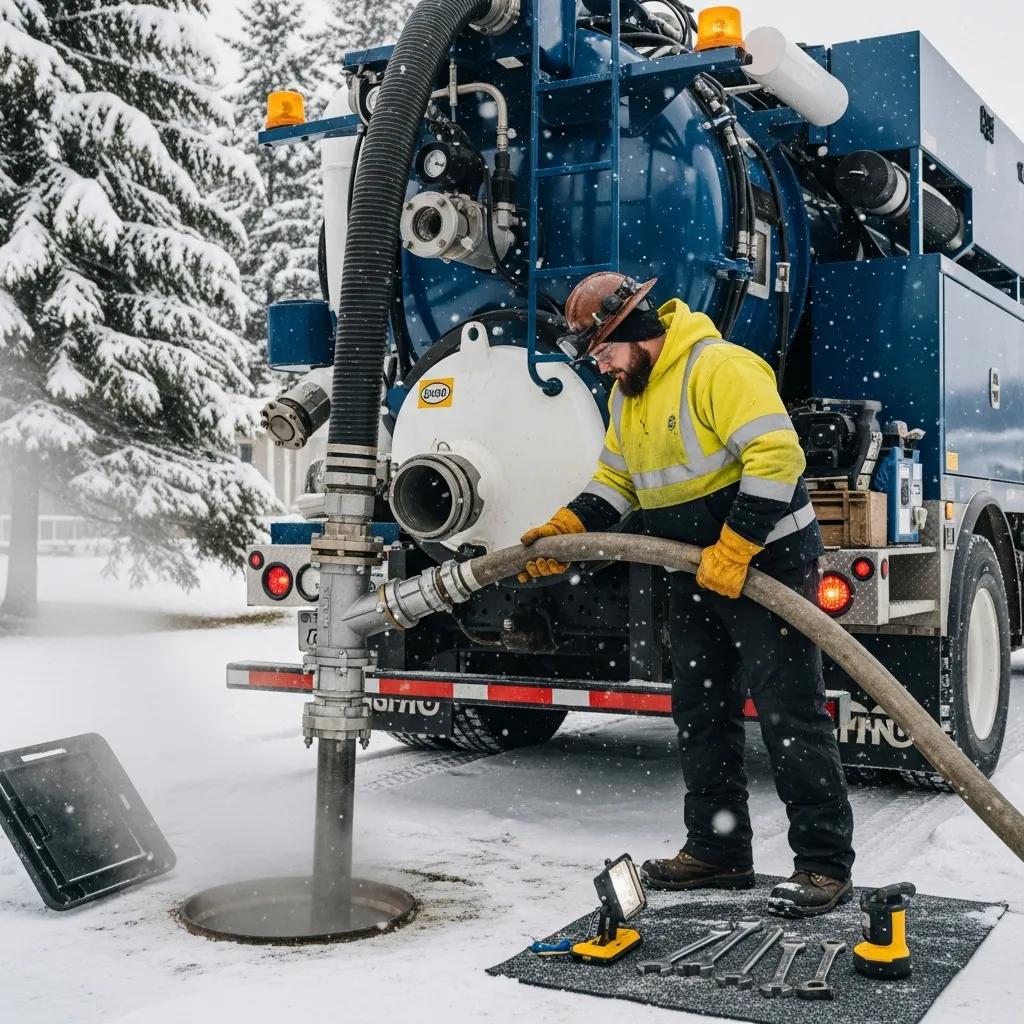
Effective winter septic system maintenance is mostly about preventing freezing in the first place. That means protecting vulnerable components, keeping effluent moving, and making sure you can react quickly if something goes wrong. In practice, the highest impact steps are timely pumping, adding insulation where the system is closest to the surface, and managing how and when water flows through the system during cold spells.
Scheduling tank pumping before the first sustained freeze removes excess sludge and scum, which improves flow and reduces the chance that slow-moving effluent will sit long enough to freeze in lines or distribution boxes. A tank that is working efficiently is less likely to develop cold pockets that lead to ice.
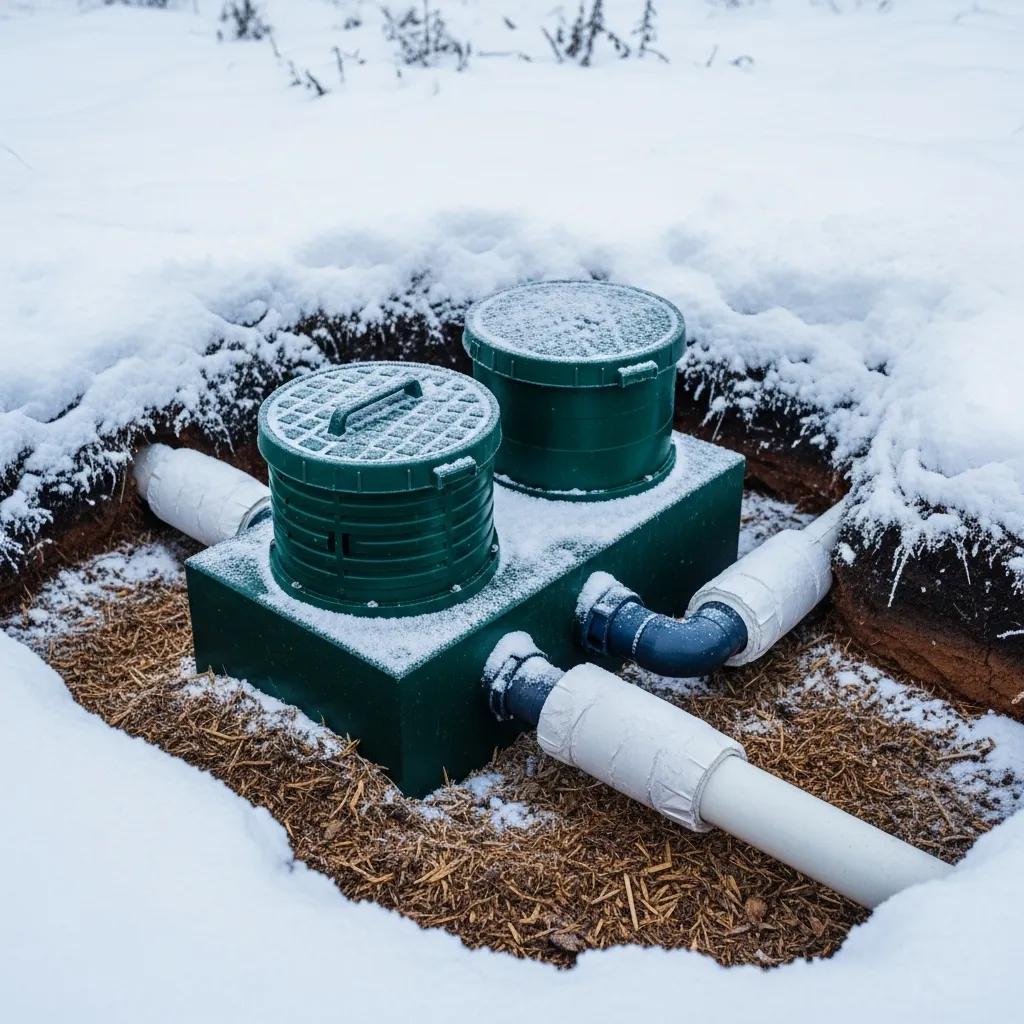
Insulating lids and shallow lines is the next layer of protection. Adding mulch, straw, or other insulating cover over access lids and along shallow trenches helps trap ground heat and slows frost penetration. This is especially helpful for older systems that were installed with less depth than current standards.
Finally, managing household water use helps keep a steady warmth in the system. Instead of running several laundry loads back to back on one day and leaving the system idle the rest of the week, it is better to spread out high-volume uses. That steady, moderate flow sends small amounts of warmer water into the tank and lines, which supports overall winter septic system maintenance.
You can use the table below as a quick guide to which tasks matter most and when to schedule them.
| Preventative Action | Recommended Timing | Practical Benefit |
|---|---|---|
| Pumping | Before first sustained freeze | Lowers sludge, improves flow, reduces freeze risk |
| Lid and pipe insulation | Late fall after final yard work | Retains ground heat and protects exposed components |
| Drain-field mulch cover | Before heavy frost sets in | Adds thermal mass and reduces frost depth |
| Leak and vent repairs | As discovered during inspection | Prevents cold air intrusion and localized freezing |
How Professional Septic Tank Pumping Reduces Freeze Risk
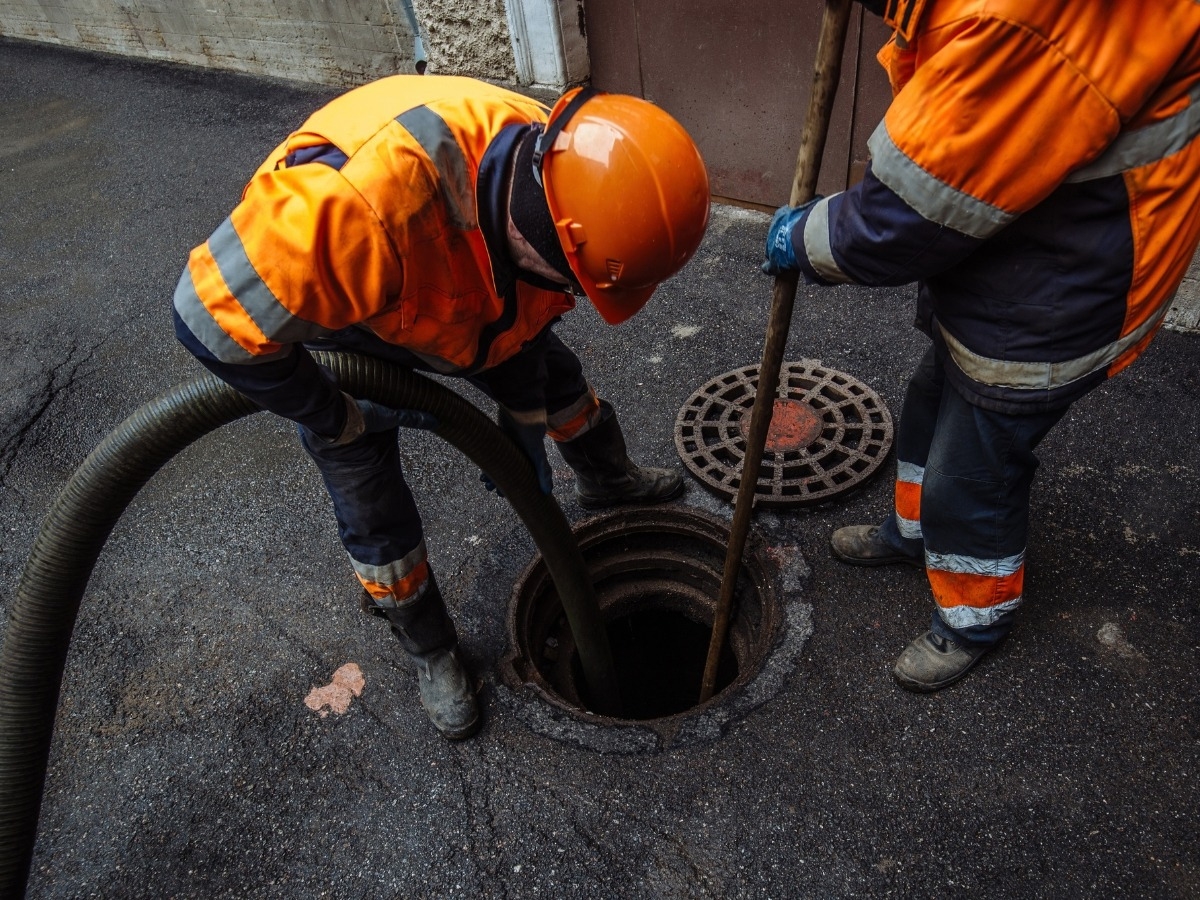
Professional pumping plays a central role in winter protection because it resets the system before the most demanding season. During a pumping visit, a technician measures sludge depth, removes accumulated solids, and checks components such as inlet and outlet baffles, which all contribute to smooth flow. When solids are allowed to build up, effluent moves more slowly and can sit in lines or boxes long enough to cool and freeze in cold snaps.
Pumping before winter also makes inspection easier. With the tank open, a professional can look for structural issues, early signs of root intrusion, or damaged components that could become weak points during a freeze. If inspection reveals heavy sludge, damaged baffles, or a distribution box that is not level, those items can be addressed before cold weather adds stress to the system.
For properties in climates with occasional hard freezes, many owners pair winter septic system maintenance with a fall pumping schedule. That timing keeps the tank in better shape through the cold months and usually fits well with other seasonal tasks, such as gutter cleaning and exterior inspections.
Best Insulation Methods For Septic Tanks And Pipes
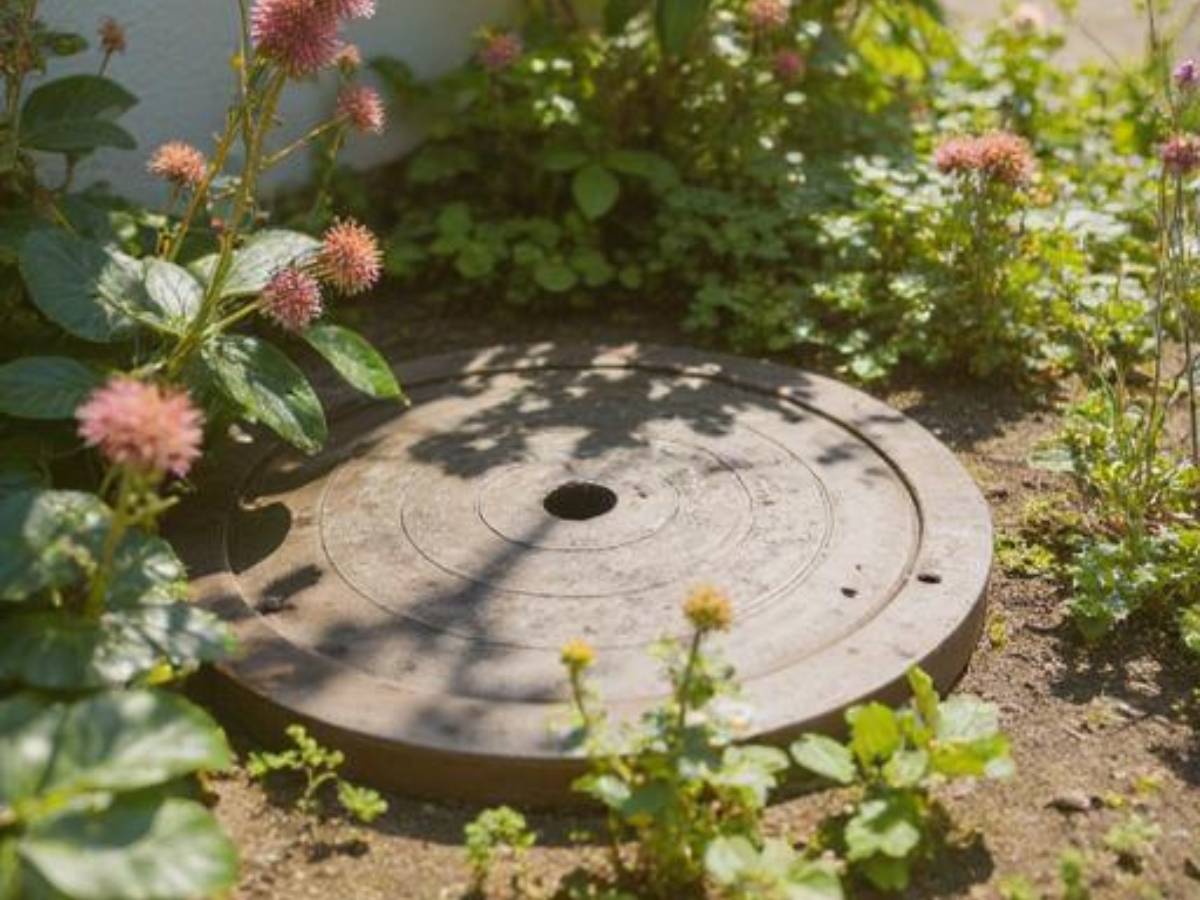
Good insulation strategies focus on the parts of the system closest to the surface. Tank lids, inspection ports, and shallow piping runs are the most vulnerable because they are exposed to colder air and thinner soil cover. A simple but effective method is to place a 12 to 24-inch layer of straw, mulch, or similar organic material over lids and drain-field areas that sit near the surface. This cover acts like a blanket, slowing heat loss from the ground.
Rigid foam panels can be used over access lids where appearance matters or where organic mulch is not practical. In those cases, the foam should be covered or secured so wind does not shift it and so UV exposure does not shorten its life. For short, accessible runs of pipe that have a history of freezing, outdoor-rated heat tape wrapped along the line and insulated over the top can provide targeted protection, although it should be installed according to manufacturer guidelines and checked regularly.
Whatever method you choose, it is important to install insulation after your last major yard work of the season so it is not disturbed, and to keep access lids locatable and reachable for any future inspection. Combined with sound pumping practices and sensible water use, thoughtful insulation around exposed components goes a long way toward keeping your septic system flowing smoothly all winter.
How Can You Prevent Septic System Freezing During Cold Weather?
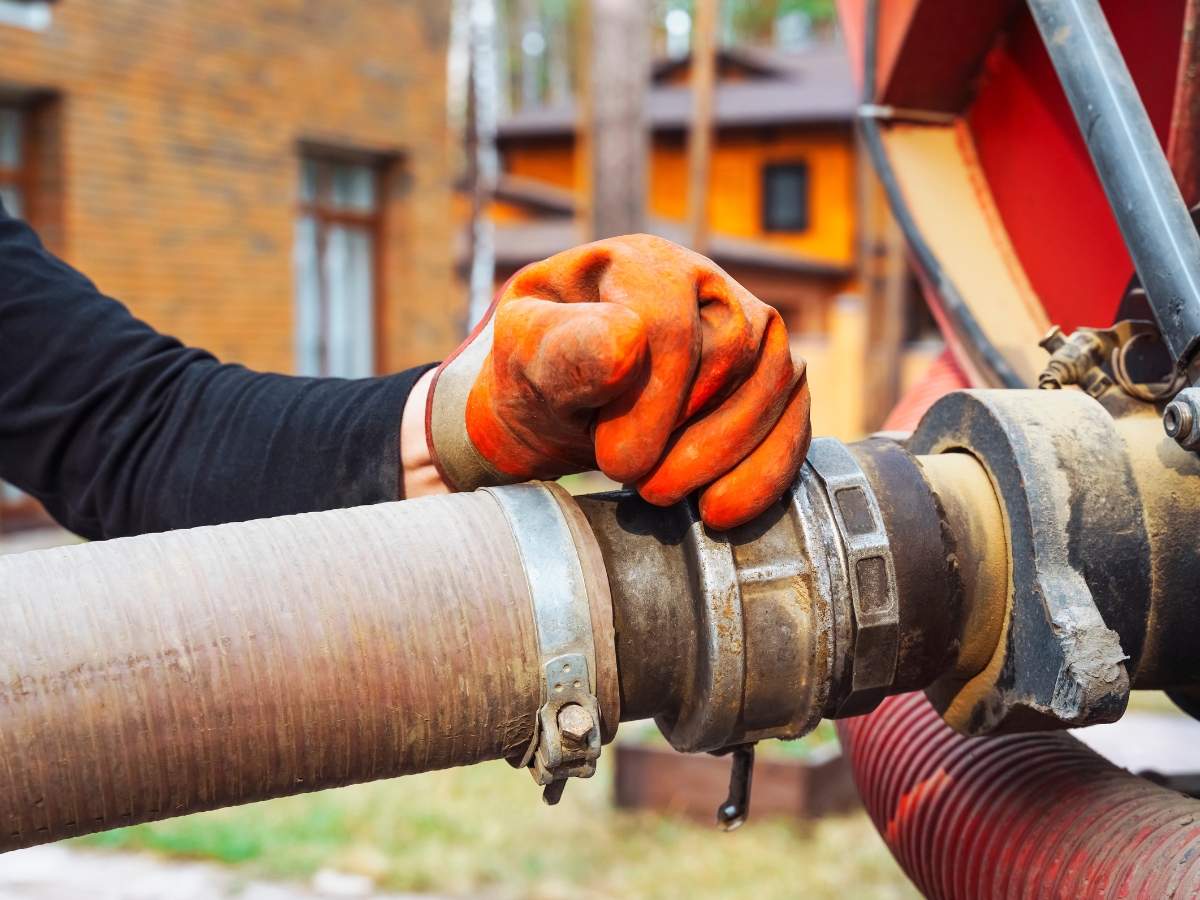
When you think about winter septic system maintenance, the goal is to keep water moving and protect the system from deep frost. Freezing usually happens when effluent sits too long in shallow lines or when cold air reaches uninsulated components. You can lower that risk by keeping the flow steady, maintaining warmer conditions around indoor plumbing, and preserving natural insulation over the drain field.
In practice, that means spacing out high-volume water use so the system receives a gentle, regular flow instead of long dry periods followed by heavy surges. A steady trickle of household use helps keep effluent from sitting in pipes overnight when temperatures are lowest. At the same time, keeping rooms that contain plumbing slightly warmer, especially basements or utility spaces, prevents local sections of pipe from dropping below freezing even when outside temperatures fall quickly.
Outdoors, undisturbed snow and mulch are your allies. Allowing snow to remain over the drain field and over shallow lines adds a natural insulating blanket that traps ground heat and slows frost penetration. If bare areas are exposed, a layer of mulch or straw can perform a similar job. All of these habits work together to make winter septic system maintenance more about prevention than emergency response.
Why Is Managing Water Usage Important To Avoid Frozen Septic Pipes?
Water management is one of the simplest and most effective ways to keep septic pipes from freezing. When effluent flows through the system in small, regular amounts, it is less likely to cool completely and form ice in transition points such as distribution boxes and shallow laterals. Spacing laundry loads over several days instead of running them all at once, and running the dishwasher during the day rather than late at night, helps maintain this steady movement.
For vacation homes or low-occupancy properties, it is important not to let the system sit idle during prolonged cold snaps. A brief visit that includes flushing toilets and running a sink or shower for a short period can move warmer water into the tank and lines, which helps prevent stagnation and localized freezing. These small routines fit easily into normal life and make a noticeable difference when temperatures drop.
How Do You Protect The Drain Field From Frost And Compaction?
Protecting the drain field is about preserving soil structure and insulation so the ground can hold heat and shed water correctly. Heavy vehicles and equipment should stay off the drain field throughout the year, since compaction reduces pore space in the soil. Compacted soil not only drains more slowly, it also conducts cold more easily, which allows frost to penetrate deeper and stay longer.
Maintaining vegetative cover is another simple but important step. Shallow-rooted grasses help stabilize the surface, prevent erosion, and add a modest insulating layer. In colder months, adding a 12 to 24 inch layer of mulch or straw over vulnerable areas increases thermal protection and reduces the chance that water near the surface will freeze solid. At the same time, surface drainage should be directed away from the field so meltwater does not pool and turn to ice.
Recognizing And Responding To Early Signs Of Septic Freezing
Even with good prevention habits, it helps to know what early warning signs look like. Slow drains across the house, gurgling sounds in fixtures, or brief backups during cold spells can hint at partial freezing in lines or distribution components. Outdoors, unusually wet spots that suddenly stop draining or areas where the ground stays icy longer than the surrounding soil may indicate trouble near the drain field.
If you notice these patterns, reduce water use temporarily and check accessible areas, such as exposed lines in crawlspaces, for obvious cold spots or drafts. Avoid opening lids or attempting deep excavation in freezing conditions, since that can remove insulation and make the problem worse. Instead, note what you see and plan a professional inspection when conditions allow. Combined with thoughtful insulation and water-use habits, this measured response helps you protect the system and avoid more serious damage through the coldest part of the year.
What Are The Signs Of A Frozen Septic System And How Do You Thaw It Safely?
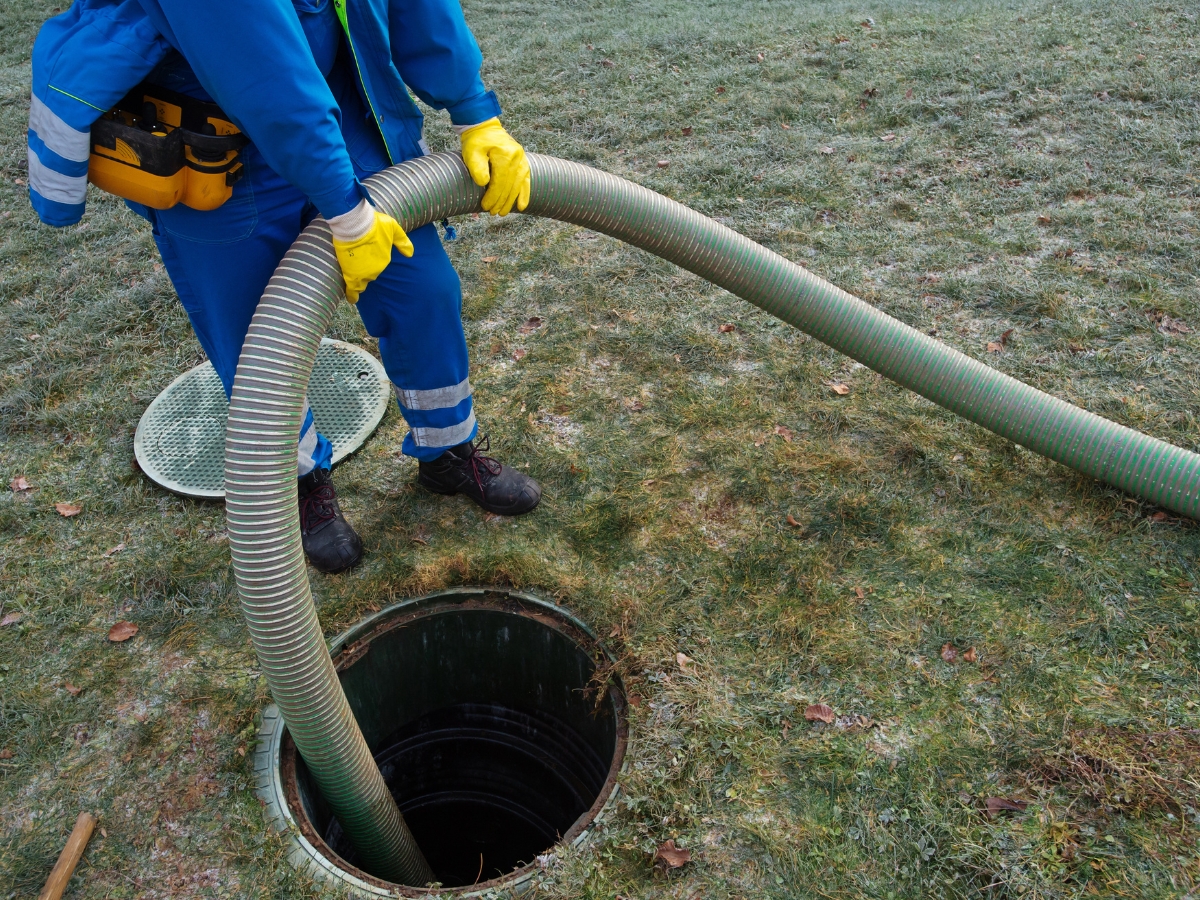
During cold snaps, one of the most important parts of winter septic system maintenance is learning how to spot a freeze before it becomes a full backup. A frozen septic system often announces itself with slow drains, strange noises in the plumbing, and visible changes outdoors near lids, trenches, or the drain field. Sometimes only a small section of pipe is affected, while in other cases, the tank inlet, outlet, or multiple lines can be frozen at once. Each situation calls for a different level of response and, in some cases, professional help.
The earlier you notice a change in how your system behaves, the easier it is to prevent major damage. Indoor plumbing that suddenly slows down during very cold weather, or that starts to behave differently from one fixture to another, often signals that wastewater is meeting ice somewhere along the line. Outdoor signs, such as unusually frosty access lids or icy patches near the drain field, suggest that cold has reached parts of the system that are normally protected by soil and insulation. Paying attention to these early shifts is a key part of practical winter septic system maintenance and can save you from expensive emergency work later.
What Common Symptoms Indicate Frozen Septic Pipes Or Tank?
Frozen septic lines or components tend to create a predictable pattern of symptoms that build over time. At first, you might notice that sinks and tubs drain more slowly, or that toilets struggle to clear the bowl in a single flush. When air cannot move freely through the plumbing, gurgling sounds often begin to come from drains or vents as air forces its way through trapped water and partial ice blockages. Strong sewage odors indoors are another warning sign, since trapped gases may be backing up instead of venting properly.
Outside, symptoms can be even more telling. Very cold or visibly frosted lids, ice along the ground where trenches run, or surface pooling that quickly freezes after a flush can all indicate that effluent is meeting ice and not dispersing into the soil as it should. A partial freeze usually shows up as intermittent slowdowns that appear during the coldest hours and ease slightly when temperatures rise. A more serious, system-wide freeze often produces standing wastewater in fixtures, repeated toilet overflows, or sewage surfacing in the yard. At that point, it is important to stop using water and treat the situation as urgent.
What Are Safe Methods For Thawing Frozen Septic Lines?
Safe thawing relies on gentle, controlled heat and patience rather than force. For accessible sections of pipe located in basements, crawlspaces, or unheated utility rooms, you can often use an electric space heater placed a safe distance away, or an approved heat tape designed for plumbing, to gradually warm the area. Warm water can help as well, but it should never be boiling and should be introduced slowly so it does not shock the pipe material. The goal is to raise the temperature just enough to melt the ice without damaging joints or seals.
Open flames, torches, and improvised heating methods should never be used on septic lines, tanks, or nearby soil. Intense, uneven heat can crack pipes, melt fittings, or even ignite nearby materials. It is also unwise to attack a frozen blockage with high-pressure water jets or to repeatedly plunge against a hard obstruction, since both can push ice and solids deeper into the system or damage components you cannot see. If you suspect the freeze is in buried pipes, at the tank, or in the drain field, the safest option is to pause water use and call a qualified septic professional who has specialized thawing equipment and can protect the drain field while they work.
Handled this way, thawing becomes one piece of an overall winter septic system maintenance plan that protects both your plumbing and your property.
Which Professional Winter Septic Services Are Available in Metro Atlanta?
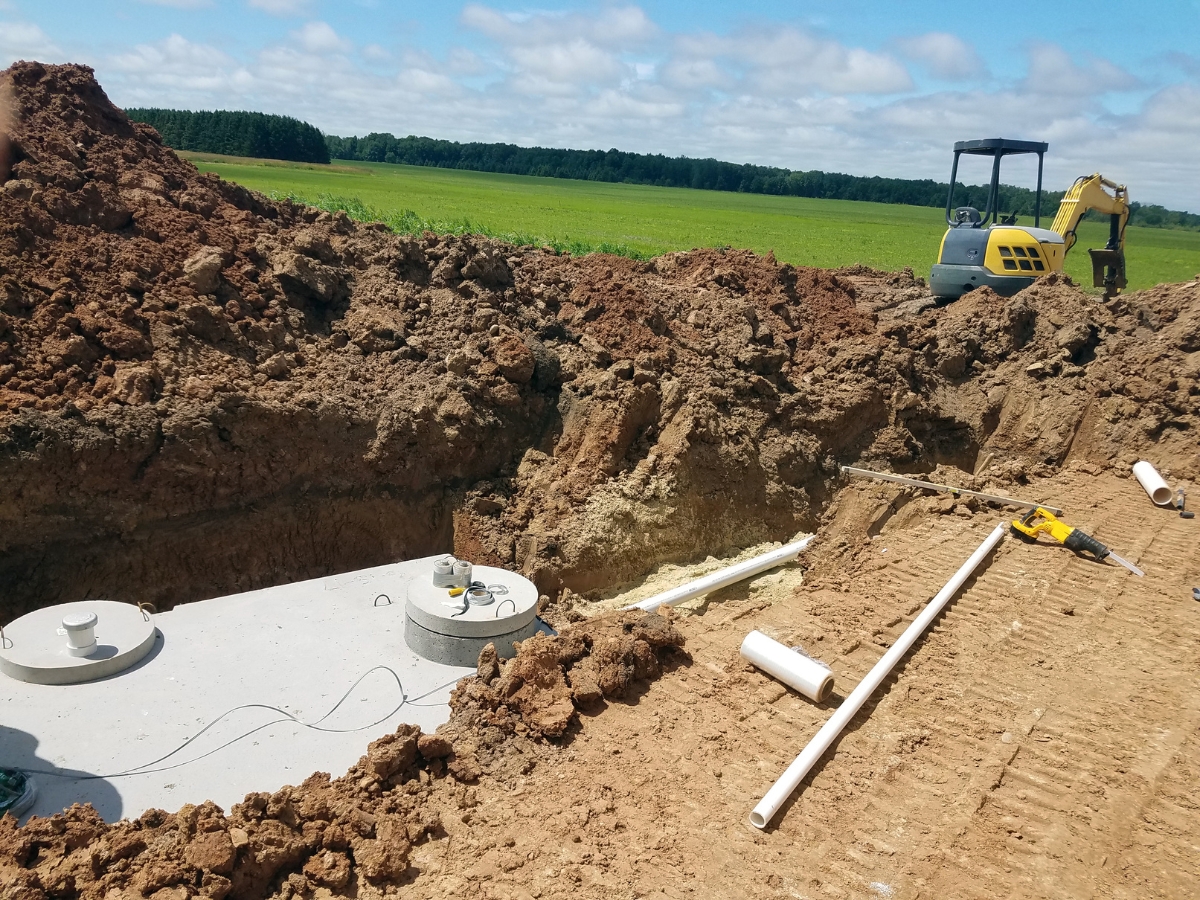
In Metro Atlanta, professional winter septic system maintenance usually centers on three priorities: getting the system ready before the first hard freeze, responding quickly if lines freeze, and adding upgrades that make future cold snaps less risky. Typical winter services include pre-season inspections and pumping, emergency frozen-pipe thawing, and cold-weather retrofits such as insulated lids or properly installed heat cable on vulnerable runs. Local technicians blend diagnostic work with hands-on repairs that take soil type, frost depth, and regional freeze-thaw patterns into account.
During a visit, you can expect a mix of short-term fixes and long-term recommendations. In an emergency, the first goal is to restore safe flow and protect the drain field. Once things are stable, a technician can suggest permanent changes, such as better insulation over shallow lines or small grading corrections that move cold surface water away from critical components. Many companies also keep an on-call schedule during severe freezes so frozen lines and backups can be addressed before they cause indoor damage. That mix of preparation, response, and retrofit work is the backbone of effective winter septic system maintenance in this region.
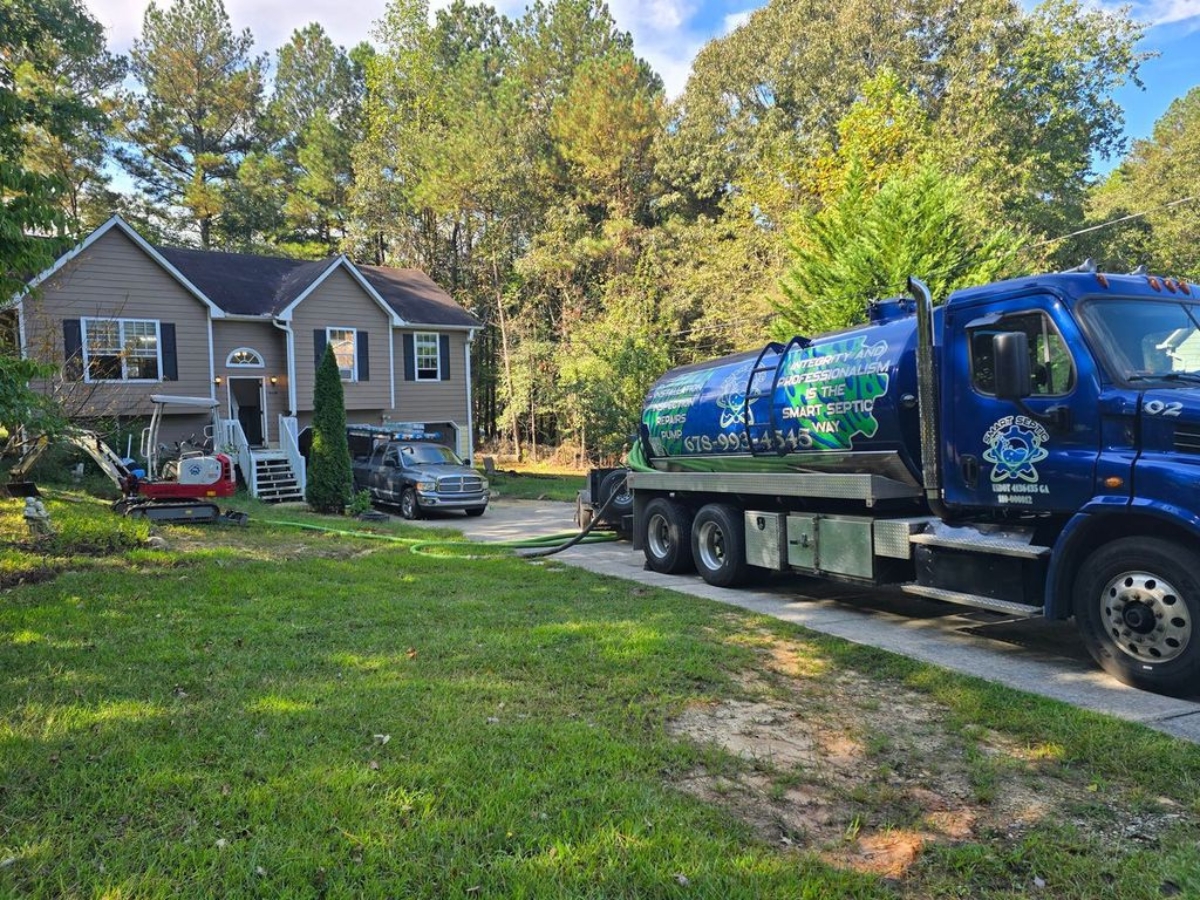
Smart Septic Pros, based in Acworth and serving much of Metro Atlanta, is one example of a provider that offers winter-focused inspections, pumping, frozen-pipe repair, and drain-field protection strategies that are tailored to local conditions.
What Does A Winter Septic System Inspection Include?
A winter inspection is designed to find weak points that are most likely to fail when temperatures drop. Technicians check tank levels and measure sludge and scum to see whether pumping is due, then confirm that baffles and lids are secure and properly sealed. They also look for exposed or shallow lines that might need additional soil cover or insulation, as well as vent and access points where cold air can travel directly into the system.
Drain-field health is another key part of winter septic system maintenance. Inspectors assess surface conditions for signs of compaction, poor drainage, or existing saturation that could increase frost depth. They may recommend adding mulch over certain areas, redirecting downspouts, or adjusting traffic patterns so vehicles stay off the drain field. At the end of the visit, a good inspection report prioritizes findings, separating routine maintenance from items that should be handled before the next cold spell. That clear plan makes it easier to budget and schedule work rather than waiting for an emergency.
How Do Emergency Frozen Pipe Repairs Work?
When septic lines freeze, the repair process starts with locating the actual blockage and confirming how much of the system is affected. A technician will usually begin with a visual and temperature check at the tank, exposed piping, and access points, then use experience or specialized tools to narrow down where ice is likely forming. Once the frozen section is identified, they rely on controlled, low-risk heat sources such as heated cables, warm-air equipment, or targeted hot-water applications to melt ice gradually without cracking pipes or disturbing the drain field.
If the freeze has already damaged piping or fittings, repairs may include cutting out and replacing sections of pipe, adjusting burial depth, or adding insulation and covers to prevent a repeat. Any surface contamination is contained and cleaned up to protect soil and groundwater. Before leaving, most technicians review what happened, outline simple behavior changes that can reduce future risk, and, if needed, suggest follow-up work like improved insulation or adjusted grading. That combination of immediate restoration and longer-term prevention keeps downtime and repair costs as low as possible through the rest of the winter.
What Is the Cost of Winter Septic Maintenance and Winterization Services?

When you plan winter septic system maintenance, cost is usually one of the first questions. Pricing depends heavily on what your system needs. Simple DIY prep with insulation materials is at the low end, while emergency frozen-pipe repairs or major reburial work sit at the high end because they require more labor, equipment, and sometimes excavation. Site access, how severe any freeze damage is, and whether the visit happens after hours all influence the final bill for Metro Atlanta properties.
A basic way to think about it is in four main tiers of spending. DIY supplies, such as mulch, straw, or foam panels to cover lids and shallow lines, are typically the least expensive and need seasonal replacement. Professional inspections fall in the middle, since they include travel time, tank evaluation, and written recommendations. Pumping costs more, as it depends on tank size, depth, and how easily a truck can reach the access point. Emergency frozen-pipe repair is the costliest category, especially if crews have to dig, replace pipe, and work under time pressure.
As a rough guide, DIY insulation materials might range from about twenty to one hundred fifty dollars, a professional inspection can sit somewhere in the one hundred fifty to three hundred fifty dollar range, pumping often falls between two hundred fifty and six hundred dollars, and frozen-pipe repairs can start around five hundred dollars and climb into the thousands if excavation or re-routing is involved. These numbers are general, but they highlight a key point: the small upfront cost of prevention is usually far lower than what you would pay for a winter emergency. Getting an itemized estimate from a local provider helps you see exactly where your money is going and reduces surprises later.
Typical Costs For Professional Winterization
Professional winterization that supports winter septic system maintenance usually combines an inspection with pumping and targeted upgrades. A visit that includes a full inspection and pumping often offers the best value, because it lowers sludge levels, confirms components are working, and identifies weak points before the coldest weather hits. Additional costs may come from installing insulated lids, adding a cover over shallow lines, or installing heat cable on specific vulnerable runs.
Emergency work is more expensive because it involves urgent dispatch, specialized thawing equipment, and sometimes immediate repairs to restore flow and protect the drain field. Travel distance to more remote Metro Atlanta areas can also affect the final figure. When you compare quotes, look for clear breakdowns of labor, equipment, disposal fees, and any follow-up visits so you can make true side-by-side comparisons instead of relying on a single lump sum.
Budget-Friendly DIY Tips That Still Protect Your System
There are several affordable steps homeowners can take on their own to support winter septic system maintenance without a large budget. A thick layer of mulch over tank lids and drain-field areas can help trap ground heat and slow frost penetration. Keeping heavy vehicles and equipment off the drain field protects soil structure and reduces the chance of deep freezing. Inside the home, spacing out high-water-use tasks like laundry and running smaller, more frequent loads keeps a gentle flow moving through the system during cold snaps.
Regular visual checks also go a long way. Walk the property before and after a freeze to look for exposed pipes, damaged lids, surface pooling, or unusually icy patches above known lines. Address small issues early rather than waiting for a backup. At the same time, it is important to know where DIY efforts should stop. Buried line freezes, repeated slow drains, sewage odors indoors, or any sign of wastewater backing up into the home are all situations that call for a qualified septic professional to avoid health risks and more expensive damage.
Using low-cost prevention and smart monitoring, and reserving professional help for higher-risk situations, gives you a balanced approach to winter costs while still protecting your septic system for the long term.
Complete Winter Septic System Maintenance Checklist For Homeowners

A solid winter septic system maintenance plan covers three phases: what you do in late fall, how you monitor the system during cold spells, and how you respond if something starts to go wrong. Thinking about it as a seasonal checklist keeps you from missing small tasks that can prevent expensive midwinter emergencies.
Before the first sustained freeze, schedule a full system inspection so a professional can check tank levels, baffles, lids, and distribution boxes. If sludge levels are high or close to the outlet, plan to pump before winter so effluent can move more freely through the system. That single step lowers the chance of slow flow and standing waste that can freeze in shallow lines.
Once pumping and basic inspections are complete, add insulation where your system is most exposed. Cover lids and shallow trenches with a thick layer of mulch or straw and, if needed, place temporary foam panels over known access points. This helps trap ground heat and slows frost from reaching pipes and drain-field lines. In colder stretches, keep water use steady by spacing out laundry and dishwasher cycles and checking indoor drains once or twice a week for early signs of sluggish flow.
A simple way to organize winter septic system maintenance is to treat inspections and pumping as annual or multi-year professional tasks, and insulation and visual checks as recurring homeowner responsibilities. A full system inspection is usually done once a year in late fall, pumping every one to three years or before winter if recommended, and lid or trench mulch added in late fall then topped up as needed. Emergency thawing or pipe repair should always be handled by a professional. Weekly quick checks during cold snaps, both indoors and outside, are well within DIY territory and often catch problems early.
Pre-Winter Tasks To Schedule With A Professional
Some parts of the checklist are best left to a licensed septic contractor. Before winter, consider booking a pre-season visit that includes both inspection and pumping if levels are high. During this visit, the technician can measure sludge and scum depth, inspect tank components, evaluate distribution boxes, and identify exposed or shallow lines that may need extra protection.
In many Metro Atlanta homes, a pre-winter inspection also becomes the time to talk about upgrades that support long-term winter septic system maintenance, such as insulated lids, shallow line reburial, or carefully installed heat tape on vulnerable above-grade runs. If you prefer not to manage technical details yourself, a provider like Smart Septic Pros can design a targeted winterization plan that matches local soil and freeze patterns without unnecessary work.
How To Maintain Your Septic System Through The Winter
Once cold weather arrives, winter care becomes mostly about monitoring and small adjustments. Aim for weekly or biweekly walk-throughs during cold snaps. Inside, pay attention to how quickly sinks and tubs drain and whether toilets flush normally. Outside, watch for surface pooling, unusually icy patches above the drain field, or lids that stay frosty longer than surrounding ground.
Adjust your water use when temperatures drop sharply. Instead of several large loads of laundry in a single day, spread them across the week and run smaller loads more often. This keeps effluent moving through the system without overwhelming it at once. After high winds or heavy rain, check mulch and foam covers to be sure they are still in place and protecting lids and shallow trenches.
If you notice persistent slow drains, strong sewage odors indoors, or visible ice near known lines, reduce water use immediately and call a professional. Those are signs of a developing freeze or blockage that should not be handled with DIY digging or aggressive clearing methods. When pre-winter work is combined with simple winter habits and prompt responses to early warning signs, homeowners dramatically reduce the chances of facing an emergency excavation in the coldest part of the season.ners.
Frequently Asked Questions
What should I do if I suspect my septic system is frozen?
If you think your septic system is frozen, look for signs like slow drains, gurgling sounds, or ice outdoors. Cut water use immediately and call a professional for an assessment. They’ll confirm the freeze and recommend safe thawing. Don’t try to thaw with high-pressure water or open flames—those can cause serious damage. Early action prevents more costly repairs.
How often should I inspect my septic system during winter?
Inspect your system at least once a month during winter, and more often during cold spells. Regular checks help catch early signs of freezing, slow drains, or odd odors. Also check insulation after storms. Keeping a short log of inspections gives useful information for professionals if problems arise. Consistent monitoring keeps your system working through cold weather.
Can I use heat tape on my septic pipes?
Yes—outdoor-rated heat tape can help prevent freezing on exposed pipes. Follow the manufacturer’s instructions carefully and make sure the tape is meant for outdoor use. Heat tape works best as part of a broader plan that includes insulation and steady water use. If you’re unsure which product to choose or how to install it safely, ask a technician.
What are the risks of not winterizing my septic system?
Not winterizing can lead to frozen pipes, sewage backups, and costly repairs. A frozen system can interrupt wastewater flow, create health hazards, and damage the drain field. Emergency winter repairs are usually more expensive than preventive maintenance, so taking simple steps now can save time, money, and hassle later.
How can I tell if my septic tank needs pumping before winter?
Check sludge and scum levels. If sludge is within 12 inches of the outlet pipe or scum is more than 6 inches thick, schedule pumping. Frequent slow drains or backups are also signs the tank may be near capacity. Regular pumping keeps the system efficient and reduces freeze risk.
What should I do if my septic system backs up during winter?
If your septic system backs up in winter, stop using water immediately to limit overflow. Look for freezing signs, such as ice in the drain field or slow drains inside. Call a professional to assess and repair the problem—attempting fixes yourself can make the situation worse or create health risks. Quick professional help minimizes damage and restores function.
Are there any specific winterization products I should consider?
Good winterization products include insulated lids, outdoor-rated heat cables, and quality mulch or straw for covering exposed areas. Some septic-safe additives can help maintain system activity, but check with a pro before using them. A technician can recommend the best products for your system and local conditions to ensure safe, effective winterization.
Conclusion
Wrapping up your winter septic system maintenance now can save you from messy surprises later, especially when cold snaps hit and the ground stays saturated. If you want help making sure your system is protected for the season, choose Smart Septic Pros for reliable, local expert septic services and support. Call 678-993-4545 today, or use the contact form to schedule service, ask a quick question, or get recommendations based on your property’s setup.