Winterizing septic systems is a crucial seasonal task that protects your home from freezing pipes, sluggish drainage, and costly damage during the coldest months. As temperatures drop, taking proactive steps to insulate components, reduce strain, and ensure proper function can prevent emergencies and extend the life of your system. In this guide, we’ll share essential homeowner tips for effectively winterizing your septic tank and drain field, so you can enter the winter with confidence and avoid disruptive, expensive repairs.
Winterizing Septic Systems Before Freezing Weather Hits
Why Winter Septic Maintenance Matters for Georgia Homeowners
Winterizing septic systems is not just a cold-climate concern. For Georgia homeowners, it is an important part of preventing midwinter emergencies and expensive repairs. Even though our winters are usually milder than those up north, we still see sharp temperature drops, occasional hard freezes, and long stretches of wet weather. All of that affects how a septic system works. When temperatures fall, water inside shallow pipes can freeze, soils can tighten up, and the bacteria inside the tank can slow down. If you do not plan ahead, those changes can lead to backups, slow drains, and damage that is much more expensive to fix than it would have been to prevent.
Good winter septic maintenance protects both the mechanical parts of your system and the living ecosystem inside the tank. Regular inspection and timely pumping keep solids under control so wastewater can move freely through lines and into the drain field. Insulation over lids and shallow trenches helps the ground hold heat, while thoughtful water use keeps a gentle flow moving through the system during cold snaps. When you think of winterizing septic systems as a seasonal checklist rather than a one-time job, it becomes easier to stay ahead of problems.
What Winter Risks Does Georgia’s Climate Pose To Septic Systems?
Georgia’s winter weather is unpredictable enough to give septic systems a hard time. You might have several mild days, followed by a sudden freeze that lasts overnight or for a weekend. Those swings are tough on shallow pipes, lids that sit close to the surface, and drain fields that already hold a lot of moisture from fall rain. When the ground is saturated, frost can travel deeper than usual and reach distribution lines that are normally protected.
Shallow or poorly insulated pipes are the first to show strain. They are more likely to freeze at bends, near foundation walls, and where they cross unheated spaces. Frost heave and fluctuating soil moisture can also shift or stress older piping, which may already have joints or fittings that are less than perfect. In the drain field, saturated soil has less air space, so it loses insulating value and does a poorer job of absorbing effluent. That combination can reduce percolation, increase surface wet spots, and, in more serious cases, push wastewater toward the surface where it becomes both a health and environmental concern.
These climate-driven risks are exactly why winterizing septic systems in Georgia should include both soil and system considerations. Protecting lids, leaving healthy grass over the drain field, and keeping vehicles off that area all help the soil hold warmth and structure. Pairing those steps with smart water use and regular inspections gives your system a much better chance of getting through cold snaps without incident.
How Can Neglecting Winter Care Lead To Costly Septic Repairs?
When winter care is ignored, small vulnerabilities can turn into major repairs. A partially frozen outlet pipe may start as slow drains and gurgling sounds, but can progress to a complete blockage that backs wastewater into the house. Frozen distribution lines or damaged boxes can force effluent into only part of the drain field, overloading that section and shortening its life. In more severe cases, repeated winter stress contributes to drain field failure, which is one of the most expensive septic repairs a homeowner can face.
The financial impact often comes from a chain of problems rather than a single event. A tank that was overdue for pumping has too much sludge, which slows flow. Cold weather hits, the slowed effluent lingers in cooler sections of pipe, and ice forms. Then an emergency call is needed to locate the freeze, thaw lines, and repair or replace damaged sections, often with excavation. Add in possible indoor cleanup, and the total cost far exceeds what routine winter septic system maintenance would have required.
There is also a long-term cost in system performance. When drain fields are stressed by winter freezing and surface saturation, their ability to treat wastewater can decline over time. That can mean more frequent pumping, recurring wet spots in the yard, and eventually discussions about repair or replacement. Investing in inspection, pumping on an appropriate schedule, and practical winter protection steps is almost always cheaper than reacting to a midwinter failure. For Georgia homeowners, taking winterizing septic systems seriously is one of the most effective ways to protect both your property and your budget.
What Are The Essential Steps To Winterize Your Septic System?
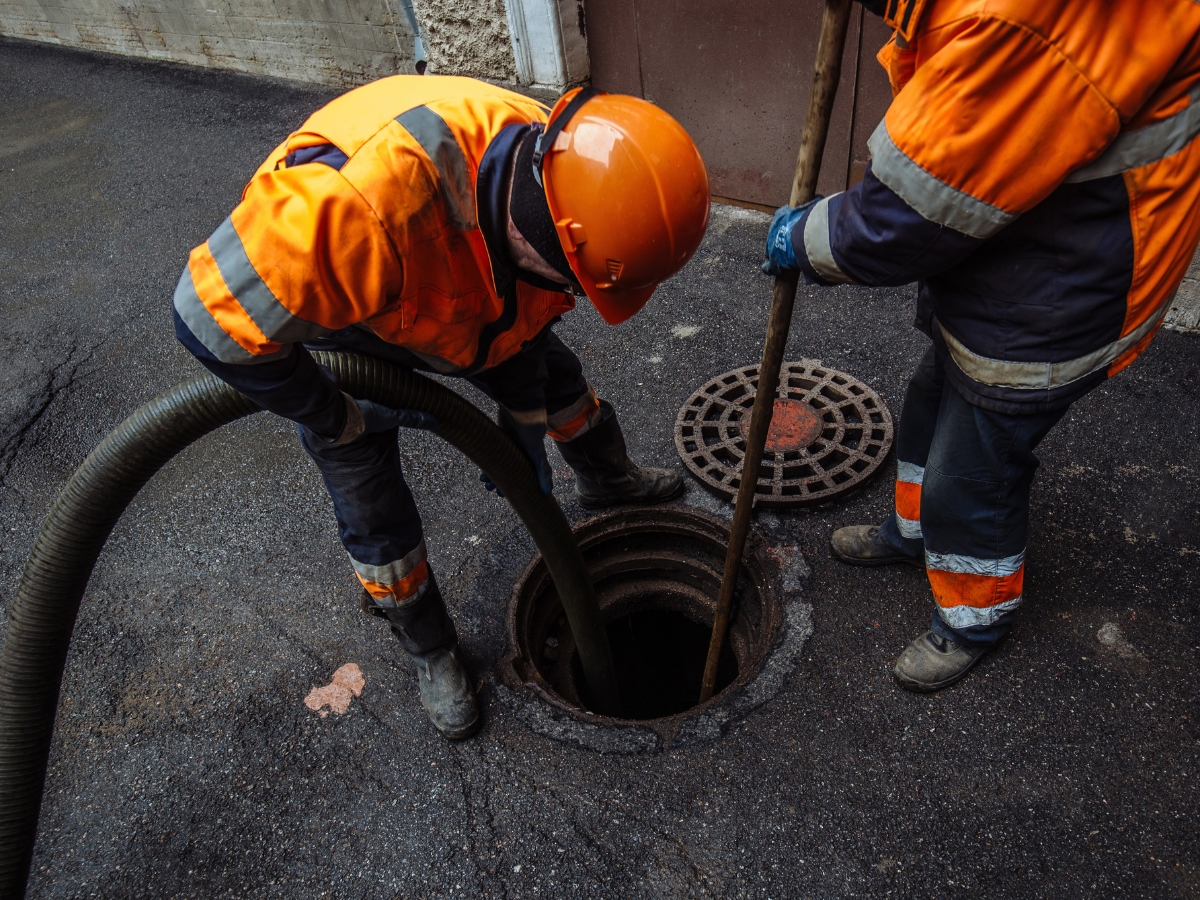
Winterizing septic systems starts with a simple priority list: inspect and pump when needed, protect exposed components, add insulation in the right places, and manage indoor water use so the system is not overloaded during cold snaps. Each step supports the next. Pumping reduces solids that can slow flow, insulation helps the tank retain the natural warmth created by bacterial activity, and steady water use keeps effluent moving instead of sitting in cold pipes.
Begin by confirming when your system was last serviced. If you are unsure or know it has been several years, plan a professional inspection and pump before temperatures drop for the season. Once you know the tank is in good shape, walk the property and look for exposed lids, risers, or shallow pipes that need attention. After that, focus on the drain field and household habits that either protect or stress the system in winter.
How And Why Should You Schedule Professional Septic Inspections And Pumping Before Winter?
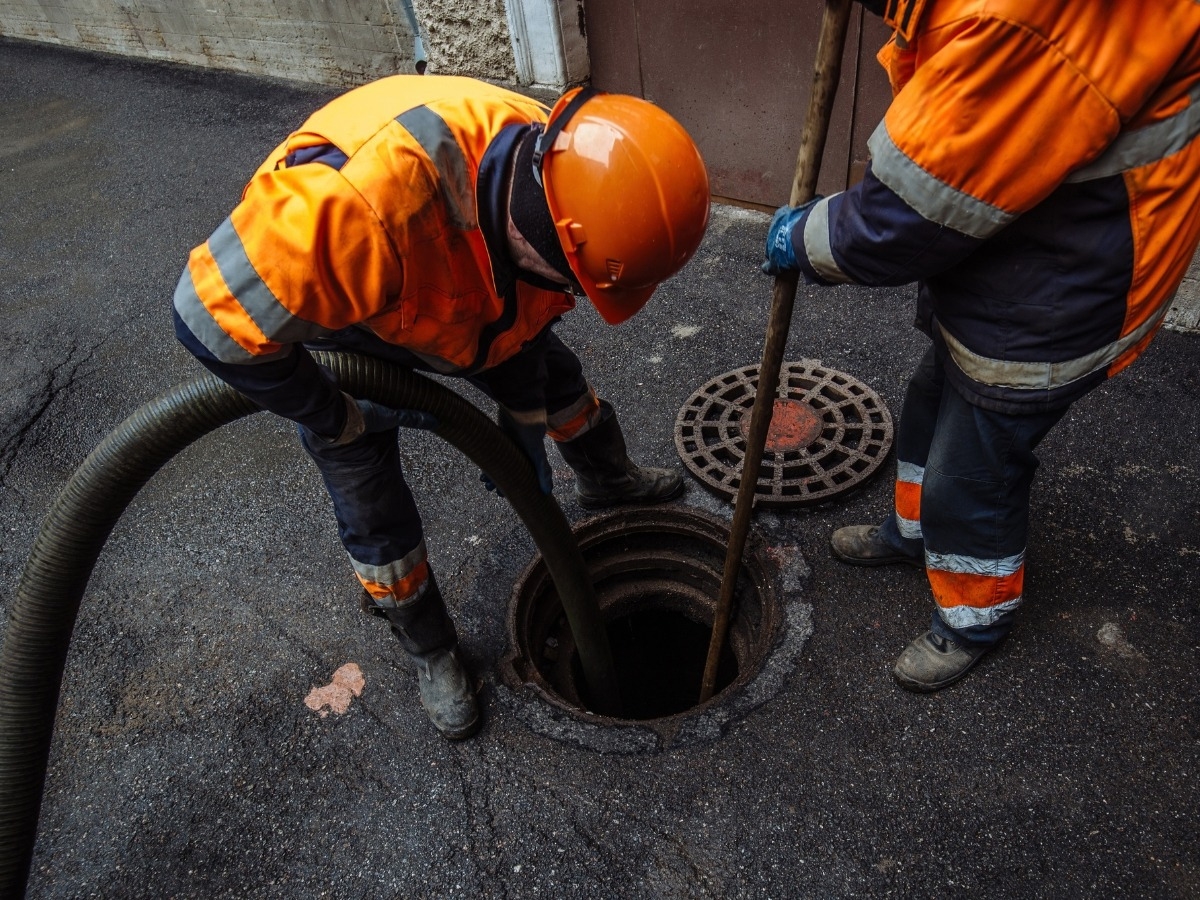
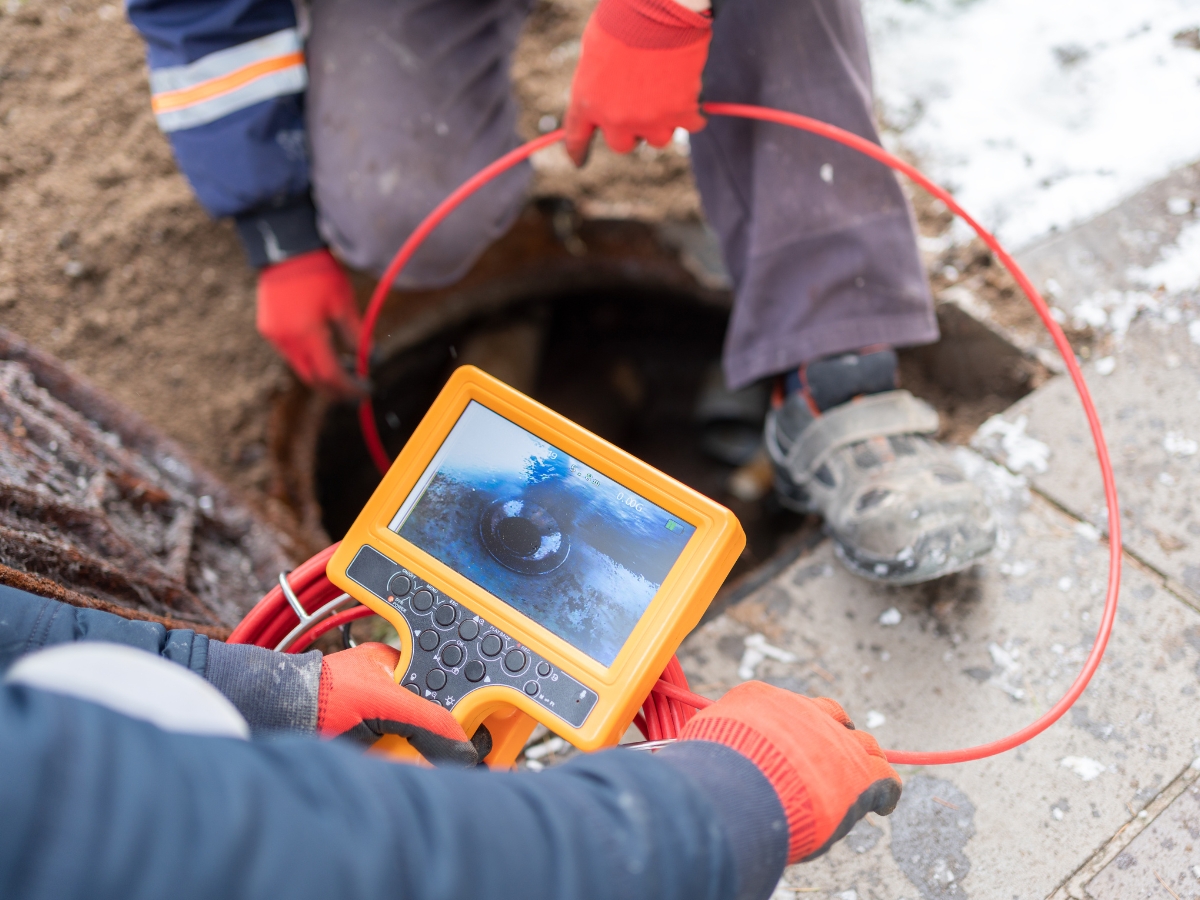
A pre winter inspection is the backbone of winterizing septic systems. During this visit, a technician measures sludge and scum levels, checks that baffles and risers are intact, locates inlet and outlet pipes, and evaluates distribution boxes for signs of uneven flow or damage. This information shows whether pumping is due and whether any repairs should be handled before the ground hardens or freezes.
Pumping before winter removes excess solids that could otherwise be pushed into distribution lines during periods of heavy use or freeze thaw cycles. When the tank works as designed, effluent flows more freely and is less likely to stagnate in colder sections of pipe. Professionals also spot issues that homeowners may miss, such as loose lids, cracked seals, or subtle signs of surface pooling. Scheduling this work in late fall gives enough time to complete pumping, make repairs, and add insulation while access is still straightforward.
What Are The Best Methods To Insulate Your Septic Tank And Pipes For Winter Protection?
Insulation is about preserving the natural heat in the system, not sealing it off completely. The goal is to help the tank and shallow lines hold warmth so bacteria can continue breaking down waste and water inside the pipes is less likely to freeze. Many Georgia homeowners use a thick layer of straw or mulch over lids and shallow trenches. This option is affordable, easy to install by hand, and works well in areas that see only occasional freezes.
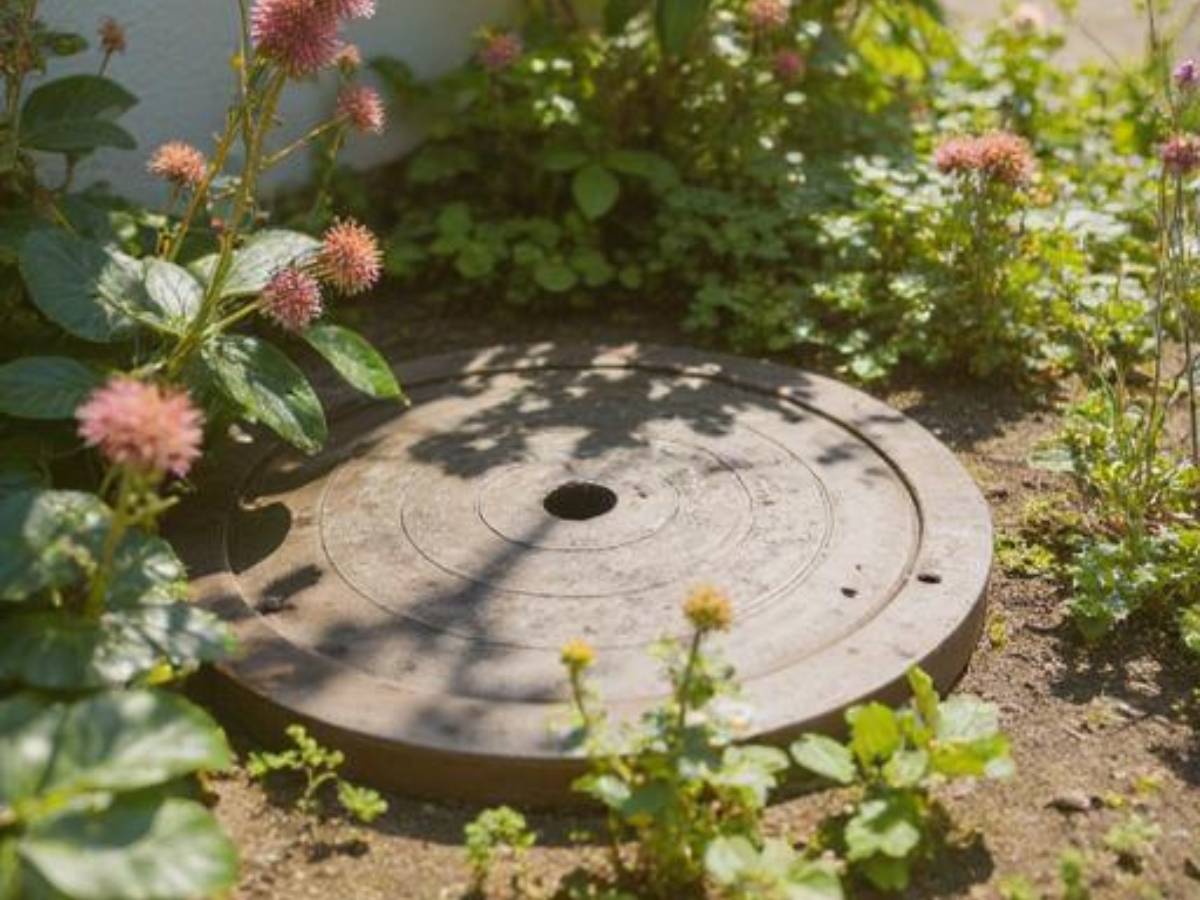
Rigid foam panels provide stronger thermal protection and are useful where lids or risers sit close to the surface or in more exposed locations. These panels need to be cut and secured carefully so they stay in place and do not interfere with access. Commercial insulated lids and riser covers offer the highest level of protection and are a good long term choice for properties that see repeated winter issues. Whatever method you choose, avoid placing plastic sheeting directly on lids, since it can trap condensation, and make sure access points remain reachable for future service.
How Can You Protect Your Drain Field From Freezing And Damage In Cold Weather?
The drain field needs both insulation and structural protection. Healthy grass or groundcover over the field provides a natural blanket that keeps soil from losing heat too quickly. Adding a layer of mulch or straw in late fall increases insulation without compacting the soil, which helps maintain good percolation and reduces how deeply frost can penetrate. When snow does fall, leaving it undisturbed over the drain field can actually help, since snow acts as an insulating layer.
Just as important is what you keep off the drain field. Vehicles, heavy equipment, and even repeated parking by guests can compact the soil, reducing pore space and making it easier for frost to drive deeper. That compaction also shortens the life of the field by limiting how well effluent can spread and soak in. Make sure surface water drains away from the area so standing water does not freeze on top and add to the problem.
By combining professional inspection and pumping with thoughtful insulation and good habits around the drain field, winterizing septic systems becomes a manageable seasonal routine rather than an emergency project. A few hours of planning in late fall can prevent backups, protect your yard, and extend the life of your system through many winters to come.
How Can Homeowners Recognize and Respond to a Frozen or Failing Septic System?
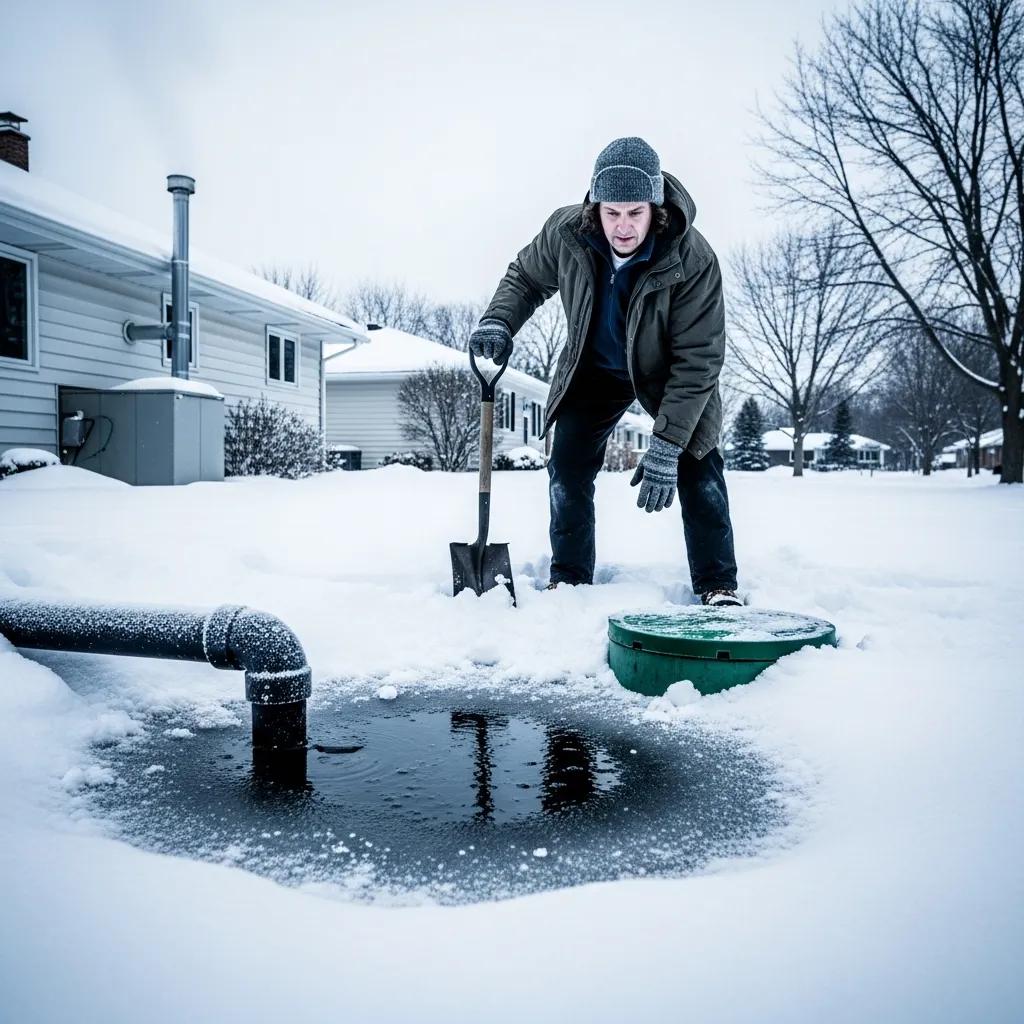
Recognizing problems early is one of the most important parts of winterizing septic systems. When temperatures drop, slow drains, gurgling sounds, foul odors, surface pooling, or unusually lush grass over the drain field are all signals that something is wrong. These symptoms often point to frozen outlet pipes that block flow, high sludge levels that are pushing waste back toward the house, or a drain field that is saturated and starting to surface effluent.
When you notice these changes, the safest first response is to reduce strain on the system. Cut back on water use, avoid running washers and dishwashers, and space out essential toilet flushes. If symptoms persist, it is important to involve a qualified septic professional rather than trying aggressive DIY fixes that can damage components or push contamination into the yard.
Staying alert to these early signs makes the rest of winterizing septic systems more effective, because it gives you a chance to respond before small issues become full backups.
What Are The Warning Signs Of A Frozen Or Malfunctioning Septic System?
A septic system that is starting to freeze or fail usually gives a few clear warnings. Drains that run noticeably slower than usual, toilets that struggle to flush fully, or gurgling sounds in sinks and tubs after use suggest that wastewater is meeting resistance somewhere in the line. Indoors, stronger-than-normal sewage odors can indicate that gases are not venting properly and that flow is restricted.
Outside, the signs tend to show up around the drain field and tank area. Watch for persistent wet spots or pooling water, especially if they freeze quickly in cold weather. Very green, fast-growing patches of grass in winter can also suggest unplanned effluent surfacing. If you have alarms on a pump or an advanced treatment unit, any repeated alerts are another reason to investigate immediately. Make a note of where symptoms appear and when they started; this information will help a technician diagnose the problem more quickly.
What Immediate Actions Should You Take If Your Septic System Freezes?
If you suspect a freeze, the first priority is to prevent a backup into the house. Reduce water use as much as possible by postponing showers, laundry, and dishwashing, and limit toilet flushing to essential use. This lowers the volume entering the tank and lines and gives any partial blockages less pressure to contend with.
Next, perform only safe, low-risk checks. You can add temporary insulation, such as blankets or foam sleeves, to exposed indoor piping to help those sections warm gradually. It is important not to pour large quantities of very hot water into fixtures, because it can shock fragile pipes and may simply re-freeze deeper in the line. Open flames, torches, space heaters placed too close to combustible materials, and heavy machinery are all unsafe thawing methods and should not be used on or near septic components.
At this point, the safest step is to contact a licensed septic professional if drains remain slow, odors increase, or you see any signs of sewage backing up or pooling outside. Technicians have equipment designed to thaw frozen lines in a controlled way and can check for damage that might not be visible from the surface. Acting quickly, while still avoiding risky DIY methods, limits structural damage, protects the drain field, and helps your system return to normal operation sooner.
How Does Smart Septic Pros Support Winter Septic System Care In Metro Atlanta?
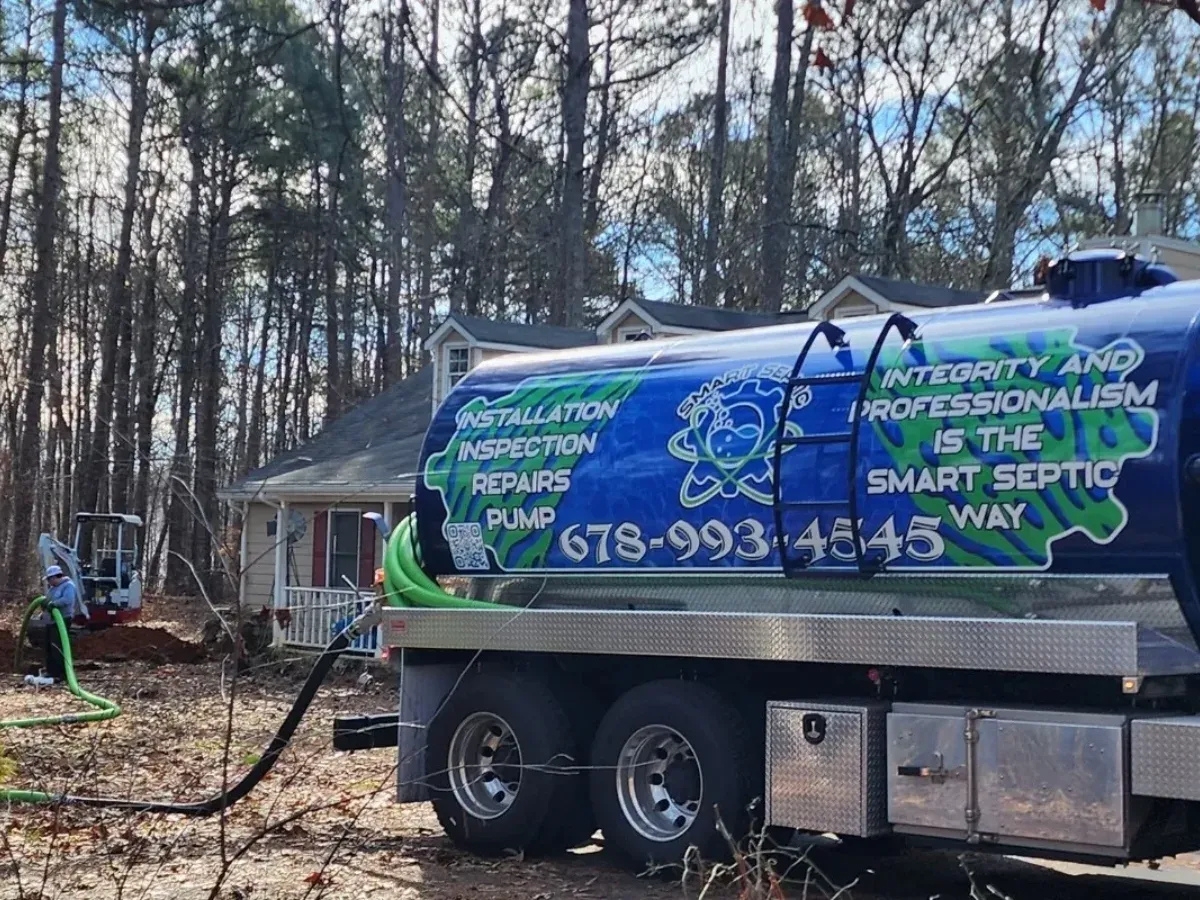
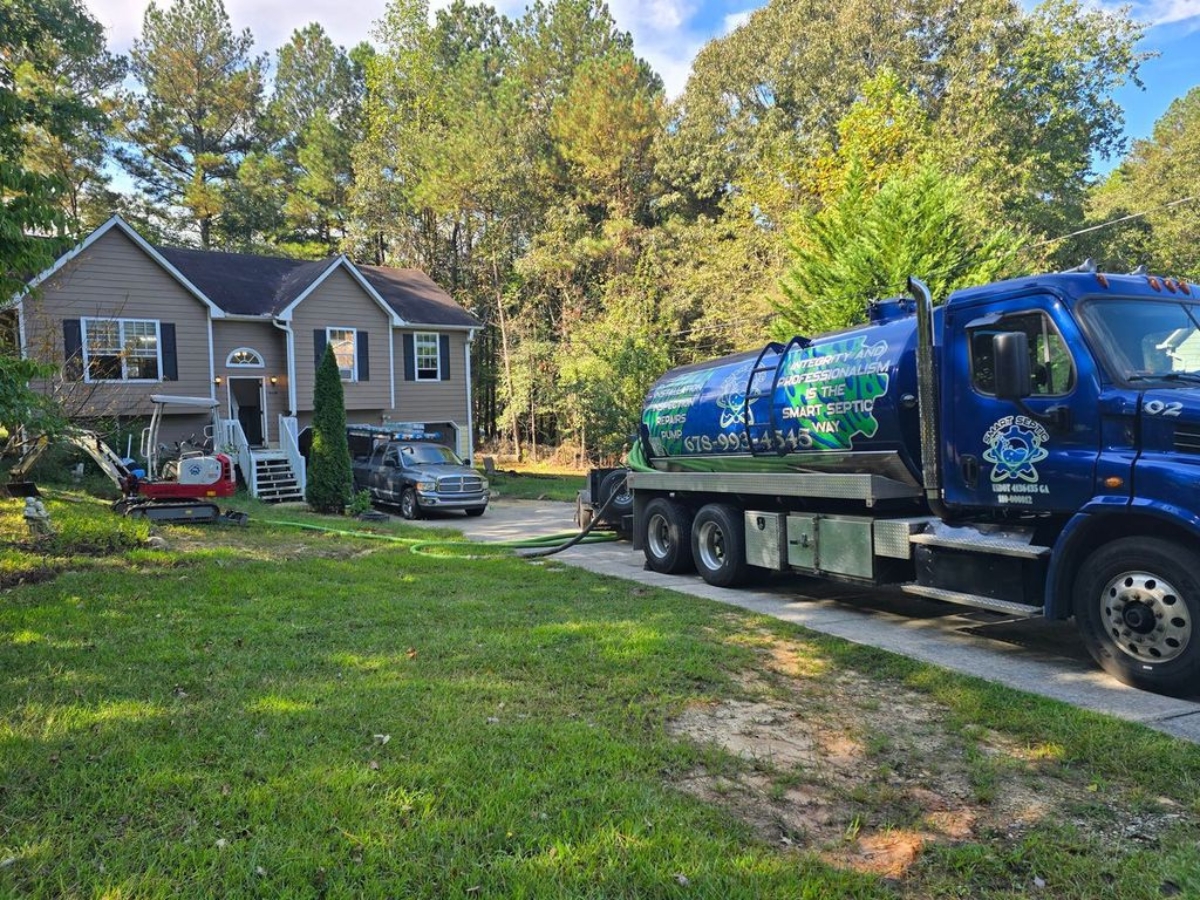
Smart Septic Pros supports winter septic care in Metro Atlanta with services that are built around local soil conditions, freeze patterns, and common household system layouts. Their teams focus on inspection, pumping, insulation, drain field protection, and emergency thawing, so homeowners are not guessing when temperatures drop. For anyone winterizing septic systems in Georgia’s variable climate, having a local provider that understands regional freeze and saturation patterns can make the difference between a simple prevention visit and a costly winter repair.
During routine winter visits, technicians inspect tank levels, lids, risers, exposed lines, and drain field surfaces to find weak spots before a hard freeze. They combine modern diagnostics with safe thawing methods, rather than quick fixes that can damage pipes or overload the drain field. This approach helps keep bacterial activity stable, supports even distribution to the field, and reduces the risk of backups and surface effluent throughout the cold season.
Smart Septic Pros also offers emergency response for active freeze-ups and backups. When systems are already struggling, crews focus first on restoring safe flow, then on recommending long-term steps so the same problem is less likely to repeat. For many homeowners, this mix of preventive and responsive service creates a clear path to winterizing septic systems without having to manage every detail alone.
| Service | When To Use | Expected Outcome | Typical Time To Complete |
|---|---|---|---|
| Inspection | Late fall or at first signs of trouble | Find vulnerabilities and recommend fixes | 1–2 hours |
| Pumping | When sludge depth is high before a freeze | Reduce solids and lower freeze or backup risk | 1–3 hours |
| Insulation installation | For exposed lids, pipes, or shallow tanks | Better heat retention and reduced freezing risk | 1–4 hours |
| Emergency freeze up response | During active freeze or sewage backup | Thawing, repair, and temporary restoration of flow | On call, as scheduled |
These service types give homeowners options at different points in the season, from planning ahead in late fall to dealing with an unexpected mid-winter problem.
What Winterization Services Does Smart Septic Pros Offer To Protect Your Septic System?
Smart Septic Pros offers a focused set of winterization services that line up with the main risks septic systems face in cold weather. A full inspection checks sludge and scum levels, baffles, lids, and distribution boxes, then identifies whether pumping is recommended before temperatures fall further. When pumping is needed, technicians remove accumulated solids so they are less likely to be pushed into outlet lines during freeze and thaw cycles.
In addition, the company installs commercial-grade insulated lids, foam panels, and other protective covers on exposed lids and shallow lines. Drain field evaluations look for compaction, poor surface drainage, and areas with minimal vegetative cover that may be more prone to frost penetration. For homes that have already experienced winter issues, Smart Septic Pros can suggest targeted retrofits that protect specific weak points rather than overhauling the entire system.
Why Choose Smart Septic Pros For Your Winter Septic Maintenance Needs?
For winter septic system maintenance, a provider’s local knowledge and response capability matter as much as the services themselves. Smart Septic Pros combines certified technicians, modern pumping and diagnostic equipment, and environmentally responsible practices so that work protects both the system and surrounding soil. Transparent pricing and clear explanations of recommended work help homeowners decide which items are essential now and which can be planned for later.
Because winter conditions in Georgia can shift quickly from mild to freezing, having access to a service that understands local microclimates, typical soil types, and common installation depths is especially useful. Smart Septic Pros structures its winter offerings to fit that reality, from fall inspections and pumping through insulation, monitoring, and emergency freeze-up repair when needed. For many homeowners in Metro Atlanta, this combination of preventive care and reliable backup provides practical support through the full winter season.
What Are the Best Practices and Checklists for Year-End Winter Septic Maintenance in Georgia?
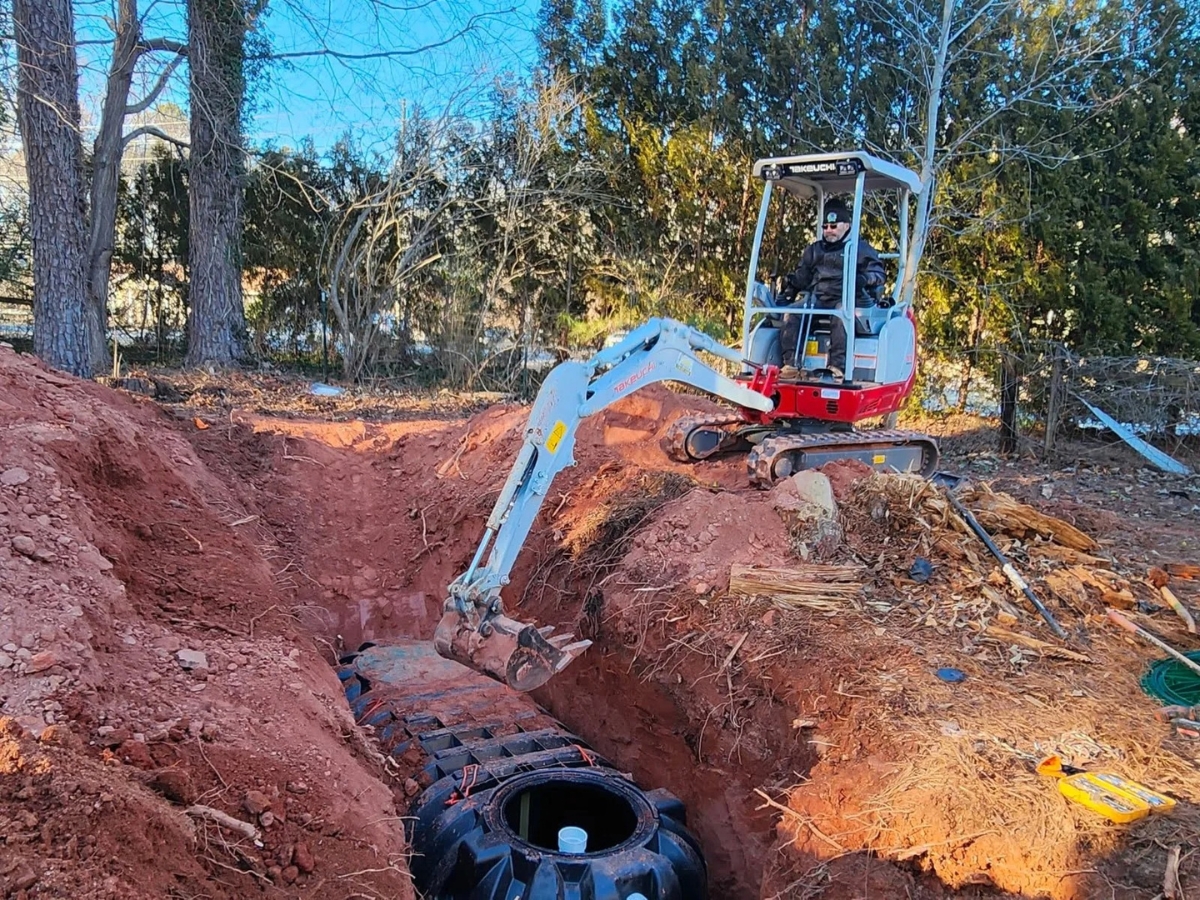
When you are winterizing septic systems in Georgia, it helps to think in terms of timing and responsibility. A simple year-end checklist and plan is to schedule inspections and pumping in late fall, add or refresh insulation before the first freezes, protect the drain field with non-compacting cover, and adjust household water habits for cooler weather. Microclimates, soil type, and recent rainfall all affect how quickly the ground cools and how deep frost can reach, so the goal is to complete key work while access is still easy and before repeated cold nights arrive.
The table below outlines core tasks, when to handle them, and whether they are realistic DIY projects or better suited to a professional. It gives homeowners a clear way to prioritize winter septic system maintenance and decide where expert help makes sense.
| Task | Recommended Timeframe | DIY or Professional |
|---|---|---|
| Full septic inspection | Late fall before first freeze | Professional |
| Pumping (if needed) | Late fall or as inspection recommends | Professional |
| Insulate tank lid and exposed pipes | Early winter preparation | DIY for straw or foam; pro for insulated lids |
| Add insulating ground cover over drain field | Before sustained freezes | DIY |
| Check and adjust water usage patterns | Ongoing through winter | DIY |
| Avoid harmful chemicals and de icers | Year round, with extra care before winter | DIY |
Use this table as a planning tool, especially if you are winterizing septic systems for the first time or have recently moved to a property with an older system.
What Should A Comprehensive Winter Septic Maintenance Checklist Include?
A complete checklist for winter septic system maintenance should start with the tank. That means checking sludge and scum layers, confirming baffles and risers are intact, and pumping when levels approach recommended limits. From there, attention shifts to protection: sealing and insulating access points, placing mulch or straw over shallow trenches, and keeping the drain field free of vehicles and heavy equipment so the soil stays porous and better able to buffer cold.
Inside the home, a checklist should include spreading out high-water-use tasks, watching for slow drains or gurgling, and avoiding harsh chemicals that can disrupt the bacteria your system relies on. It also helps to record service dates, inspection findings, and any winter issues you notice. Those notes give technicians useful context at the next visit and make it easier to schedule follow-up inspections after an unusually hard freeze or heavy winter rain. Clear records and regular, modest steps go a long way toward preventing emergency calls.
How Can Local Georgia Conditions Influence Your Winter Septic Care Routine?
Georgia’s mix of climates means winterizing practices are not one size fits all. Colder inland and higher elevation areas may see deeper frost and longer cold spells than coastal or southern regions, which affects how much insulation and timing your system needs. Heavy clay soils hold moisture and can increase frost penetration, so properties with slow-draining ground often benefit from thicker mulch over the drain field and extra attention to surface drainage before winter. Sandy or well-drained soils may not freeze as deeply, but still need careful protection of lids and shallow lines.
In Metro Atlanta and similar regions, it is smart to time inspections, pumping, and insulation around both the long term forecast and recent rainfall. A wet autumn followed by a cold snap is often harder on systems than a dry one. Working with a local provider that understands county-level differences in soil and weather patterns can help you right-size your winter septic system maintenance plan, rather than overdoing or underestimating what your property really needs.
Frequently Asked Questions
1. How often should I inspect my septic system during winter?
Inspect your septic system at least once a year, ideally in late fall before the first freeze. If you notice warning signs like slow drains or odd odors, arrange an inspection right away. Regular checks catch problems early and reduce the chance of costly winter repairs.
2. Can I use my septic system during a freeze?
Yes, but use water sparingly. Minimize simultaneous appliance use (dishwashers, washing machines) to avoid overloading the system. If you hear gurgling or notice slow drains, reduce water use further and contact a professional.
3. What should I do if I notice foul odors near my septic system?
Foul odors can signal a backup or a failing drain field. Reduce water use to limit strain and contact a professional septic service to inspect the system. Ignoring odors can lead to larger problems and more expensive repairs.
4. Are there specific chemicals I should avoid using in winter?
Yes. Avoid harsh chemicals and non-biodegradable products year-round, especially in winter. These can disrupt the bacteria that break down waste. Use septic-safe de-icers and cleaners and always check labels for septic compatibility.
5. How can I tell if my septic system is at risk of freezing?
Warning signs include slow drains, gurgling sounds, and unusual vegetation growth over the drain field. Frequent backups or pooling near system components may also indicate freezing or failure. Monitor these signs so you can take preventive action before a freeze.
6. What are the benefits of professional septic services during winter?
Professionals provide thorough inspections, timely pumping, and expert advice on insulation and maintenance. They spot problems homeowners might miss and recommend solutions that match local conditions, helping to keep your system functioning and avoid costly winter repairs.
7. How can I prepare my septic system for unexpected winter weather?
Complete recommended winterization steps — insulate exposed pipes and lids, schedule a professional inspection, and spread out water use. Keep emergency contacts for septic service providers handy so you can respond quickly if severe weather causes problems.
Conclusion
Winterizing your septic system is one of those preventative steps that can spare you major stress when temperatures drop, and the ground stays wet or frozen. If you’d rather have a professional take a look, choose Smart Septic Pros for dependable septic service and straightforward guidance. Call 678-993-4545 to talk with the team, or use the contact form to request an appointment and get help tailored to your home.