Frequently Asked Questions
What causes septic system backups in Dallas, GA homes?
Septic system backups in Dallas, GA homes are typically caused by blockages due to improper waste disposal, tree root invasions, or system overloading. Regular maintenance and mindful usage are essential to prevent these issues and ensure proper flow.
What are the signs of a failing septic system in Dallas, GA?
The signs of a failing septic system in Dallas, GA, include persistent bad odors, slow drainage, water pooling in your yard, and sewage backups in your home. If you notice these issues, it’s essential to seek professional assistance immediately.
What are the benefits of regular septic maintenance in Dallas?
The benefits of regular septic maintenance in Dallas include preventing costly repairs, extending the lifespan of your septic system, ensuring proper waste disposal, and safeguarding your property and local environment from contaminants.
Who are the top-rated septic tank services in Dallas?
The top-rated septic tank services in Dallas include Smart Septic Pros, renowned for their efficient, reliable, and professional service, along with transparent pricing and customer satisfaction. They are highly regarded in the community for their expertise and proactive approach.
Can septic tank services help with drainfield repairs in Dallas?
Septic tank services can assist with drainfield repairs in Dallas. Our expert technicians diagnose issues, provide necessary repairs, and ensure your drainfield operates efficiently, helping to prevent further complications and maintain the health of your septic system.
How often should I pump my septic tank in Dallas?
The frequency of pumping your septic tank in Dallas should generally be every 3 to 5 years, depending on household size and water usage. Regular maintenance helps prevent backups and costly repairs, ensuring your system functions efficiently.
What are the regulations for septic tank maintenance in Dallas?
The regulations for septic tank maintenance in Dallas require property owners to have their systems inspected and pumped regularly, typically every 3 to 5 years, to ensure environmental safety and compliance with health standards.
How do I maintain my septic system in Dallas, GA?
Maintaining your septic system in Dallas, GA involves regular inspections and pumping, minimizing water usage, and avoiding flushing harmful substances. Keeping the drain field clear of trees and chemicals is also essential for optimal performance.
Who offers 24/7 emergency septic services in Dallas?
24/7 emergency septic services in Dallas are expertly provided by Smart Septic Pros, ensuring prompt and reliable assistance for any urgent septic system issues you may encounter.
What are the average costs of septic services in Dallas?
The average costs of septic services in Dallas typically range from $200 to $1,000, depending on the specific service required, such as pumping, inspections, or repairs. Prices may vary based on service complexity and company pricing structures.
How do I know if my septic system needs replacement?
The indicators that your septic system needs replacement are: frequent backups, slow drainage, unpleasant odors, and visible signs of surface sewage. If these issues persist despite maintenance, it may be time for a replacement.
Who do I call for septic system repairs in Dallas?
For septic system repairs in Dallas, you should call Smart Septic Pros. Our experienced and professional team is ready to provide reliable and efficient services to ensure your septic system operates smoothly.
Who provides septic tank installation in Dallas, GA?
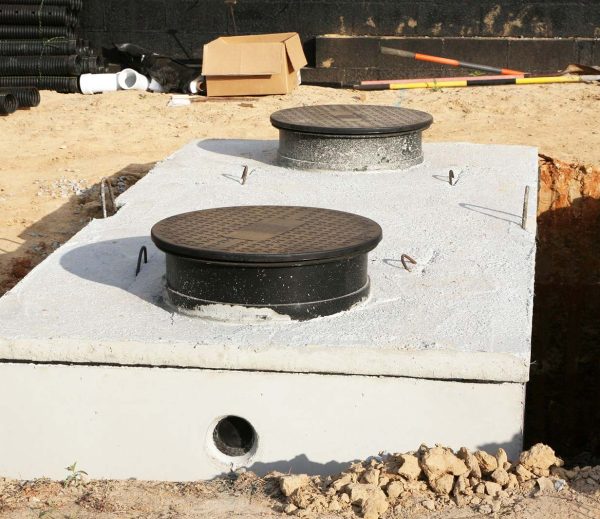
Septic tank installation services in Dallas, GA, are provided by experienced professionals like Smart Septic Pros. Their team delivers reliable installations tailored to meet your specific needs, ensuring optimal performance for your septic system.
What does a typical septic system inspection entail?
A typical septic system inspection entails a thorough evaluation of the tank, drain field, and associated components. This process includes checking for leaks, assessing sludge levels, and ensuring overall system functionality to prevent costly repairs and safeguard health.
What are the septic system regulations in Dallas, GA?
The septic system regulations in Dallas, GA, ensure that installations and maintenance comply with state health codes, safeguarding public health and the environment. Proper permits, inspections, and adherence to design standards are mandatory for all systems.
Do I need a permit for septic tank installation in Dallas?
A permit is required for septic tank installation in Dallas. It's essential to comply with local regulations to ensure proper installation and environmental safety. Always check with local authorities for specific requirements before proceeding.
What are the common signs of septic tank problems in Dallas?
The common signs of septic tank problems in Dallas include persistent bad odors, slow drainage, water pooling in the yard, and gurgling sounds in plumbing fixtures. Recognizing these indicators early can help prevent more serious issues.
What are the best septic services in Dallas, GA?
The best septic services in Dallas, GA, are those that offer reliable, professional, and thorough solutions, like Smart Septic Pros, known for their transparent pricing and high-quality maintenance, ensuring optimal performance and customer satisfaction.
How often should I inspect my septic system in Dallas, GA?
Regular inspections of your septic system in Dallas, GA, are essential to ensure optimal performance. It is recommended to inspect your system every 1 to 3 years, depending on usage and local regulations, to prevent costly issues.
Who offers emergency septic repairs in Dallas, GA?
Emergency septic repairs in Dallas, GA, are offered by Smart Septic Pros, known for their prompt and reliable service, ensuring quick resolution of all septic emergencies to protect your home and family.
What causes septic tank backups in Dallas homes?
Septic tank backups in Dallas homes are commonly caused by improper disposal of waste, clogged pipes, and lack of regular maintenance. These issues can lead to system overloading, resulting in sewage backflow into your home.
What factors lead to septic tank failures?
The factors that lead to septic tank failures include improper installation, lack of regular maintenance, overloading the system with excessive wastewater, using non-biodegradable products, and tree root intrusion blocking drainage.
How can I extend my septic systems lifespan?
Extending your septic system's lifespan involves regular maintenance, such as pumping the tank every 3-5 years, minimizing water usage, avoiding flushing non-biodegradable items, and planting trees away from drain fields to prevent root damage.
What does a septic tank inspection reveal?
A septic tank inspection reveals the tank’s overall condition, including the level of sludge and scum, potential leaks, and obstructions in the system. This assessment helps identify necessary maintenance or repairs to ensure optimal performance.
When is the best time to service my septic?
The best time to service your septic system is typically every 3 to 5 years, but it’s wise to schedule maintenance before heavy rainfall or seasonal changes to prevent issues. Regular checks help ensure optimal performance and avoid costly repairs.
Can tree roots damage my septic system?
Tree roots can indeed damage your septic system. They may infiltrate the pipes and tank, causing blockages, leaks, or even structural failure, leading to costly repairs and potential sewage backups. Regular inspections can help mitigate these risks.
What are the typical signs of septic issues?
The typical signs of septic issues include persistent bad odors, slow drainage, gurgling sounds in pipes, water pooling in your yard, and sewage backups in sinks or toilets. Recognizing these symptoms early can prevent serious problems.
How to choose a septic service provider?
Choosing a septic service provider involves evaluating their experience, credentials, and customer reviews. Look for transparent pricing, a comprehensive range of services, and solid warranties to ensure you receive reliable and high-quality service.
Are there eco-friendly septic maintenance options available?
Eco-friendly septic maintenance options are indeed available. These include using biodegradable products, regular pumping to prevent harmful waste buildup, and employing natural additives that promote beneficial bacteria without harming the environment.
What steps are involved in septic tank pumping?
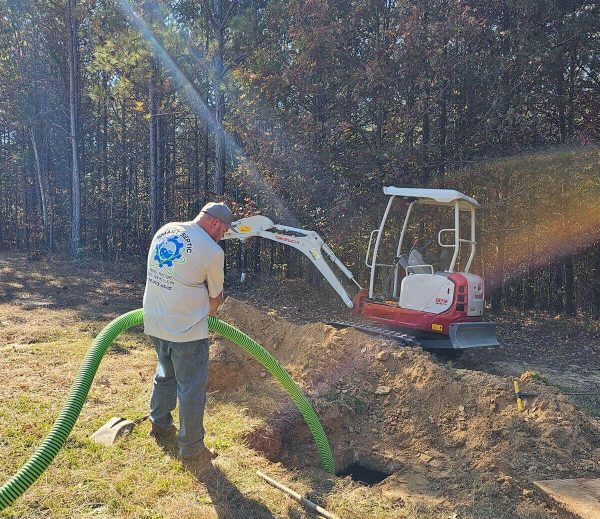
The steps involved in septic tank pumping include assessing the tank's condition, locating the access points, pumping out the accumulated sludge and waste, inspecting the tank for issues, and finally, properly disposing of the waste according to local regulations.