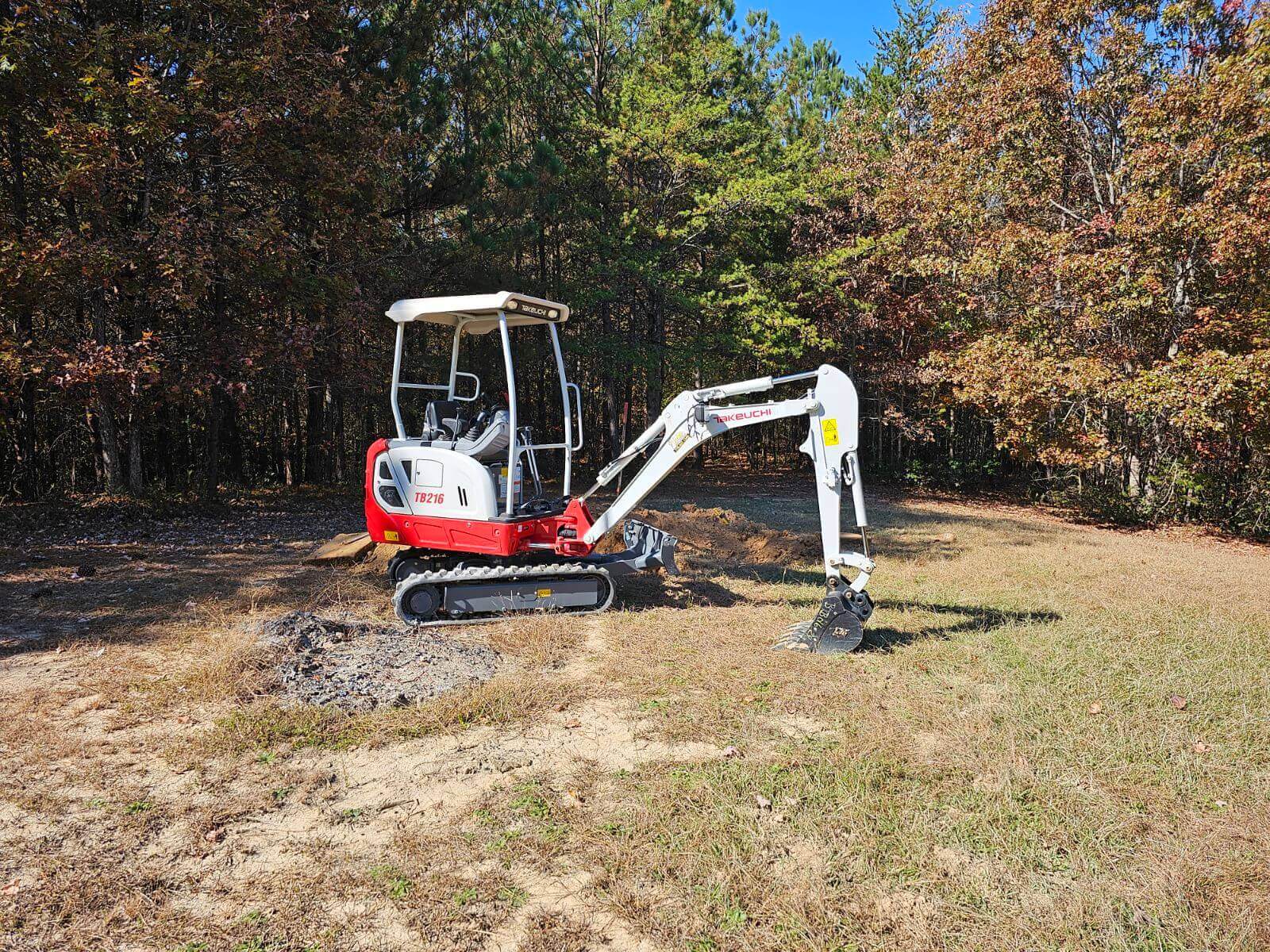
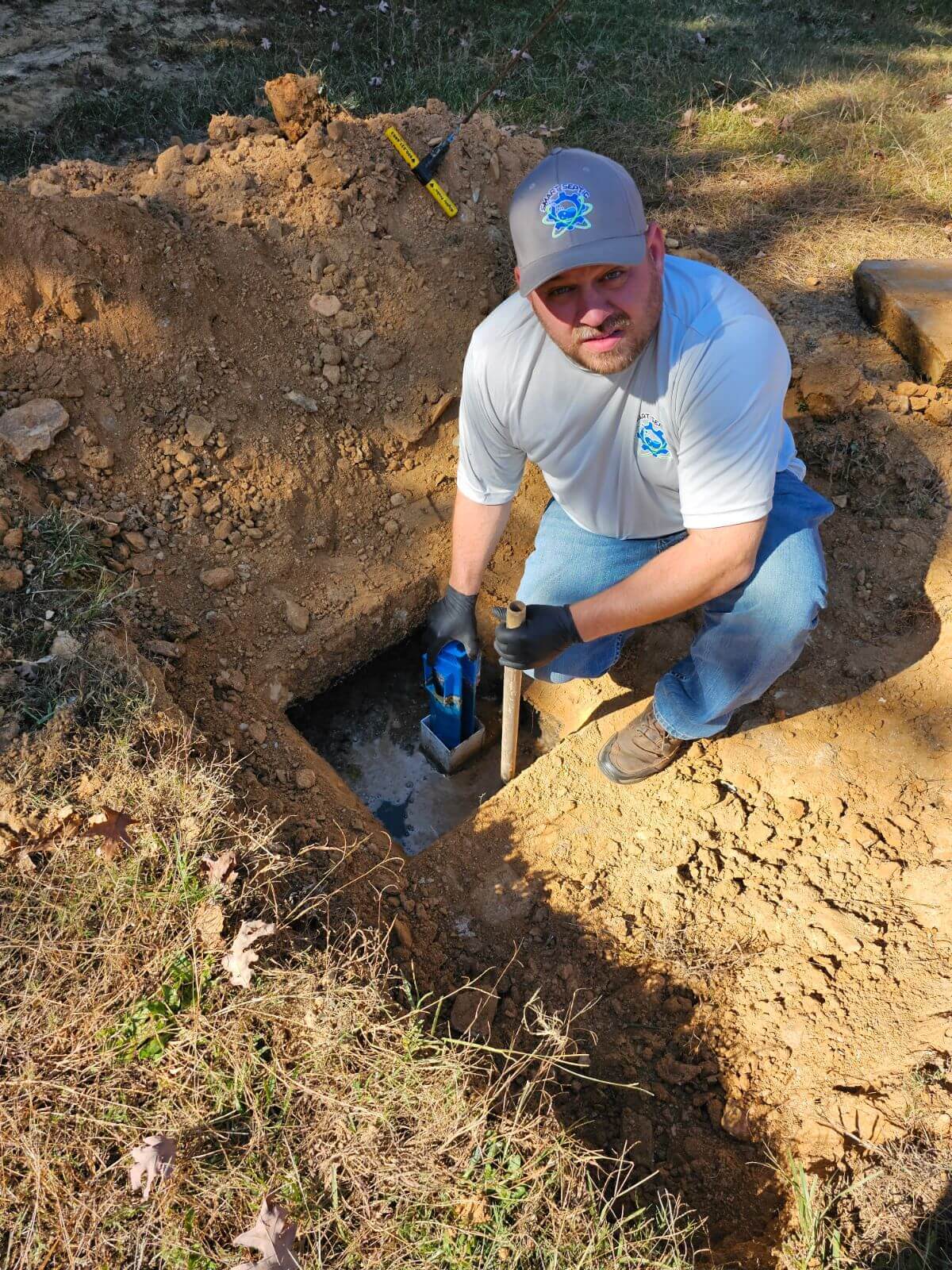
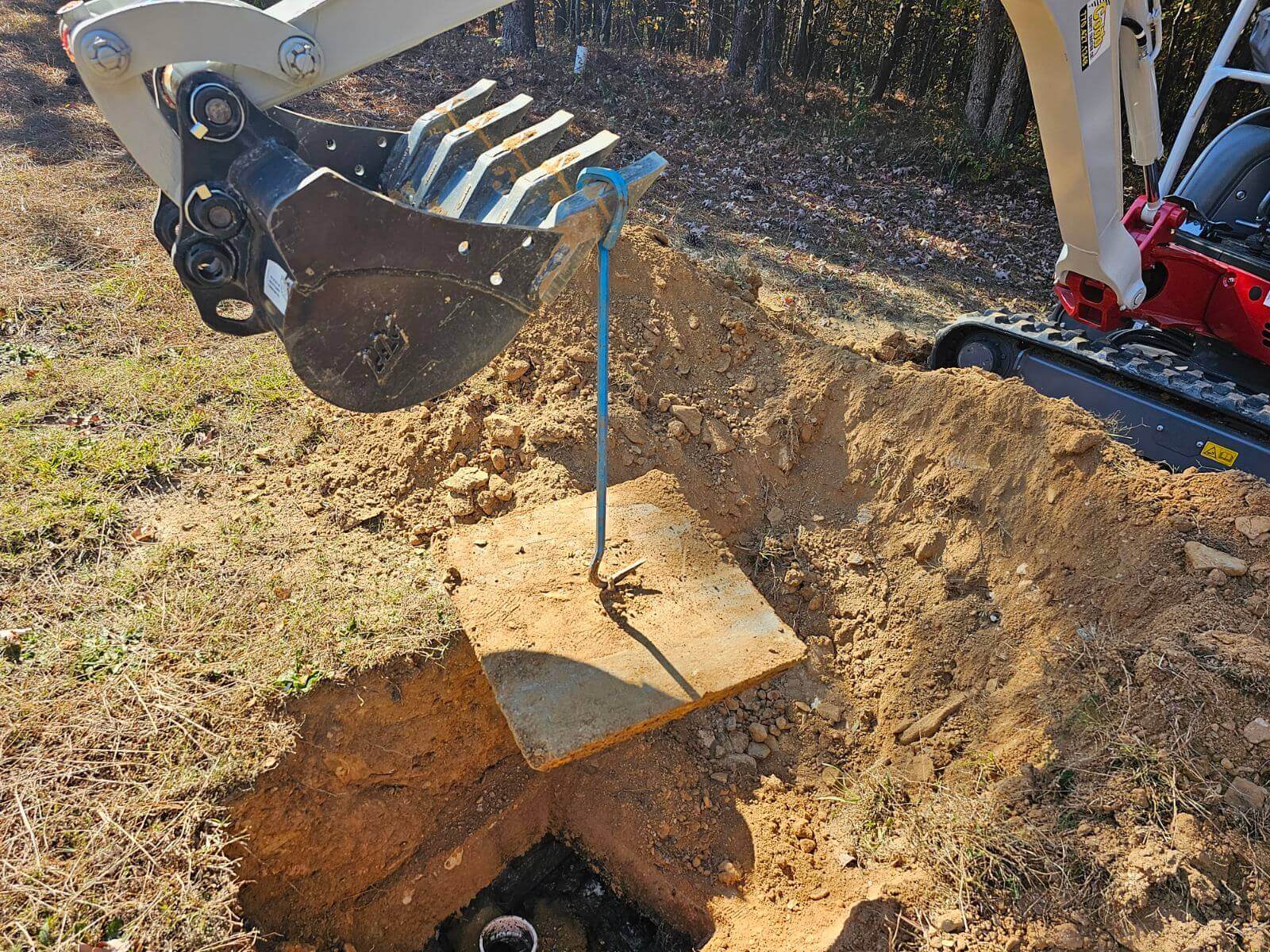
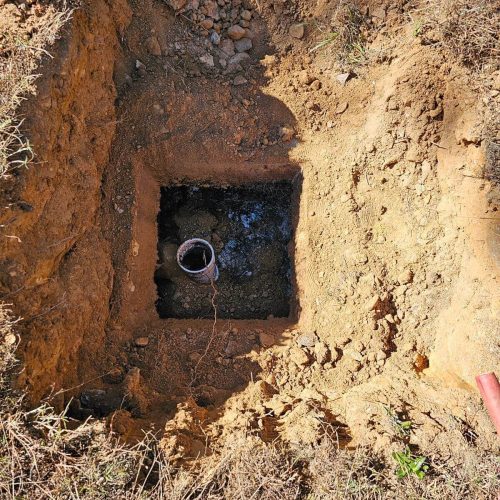
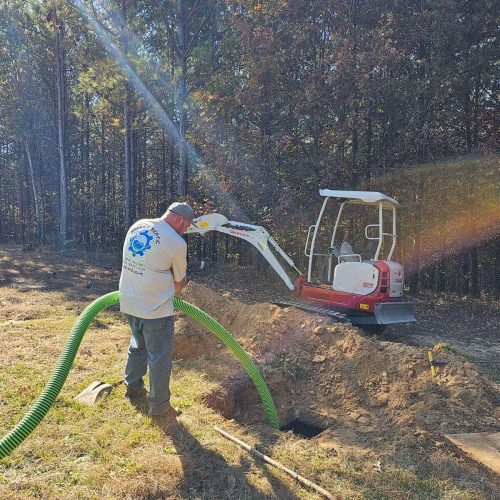
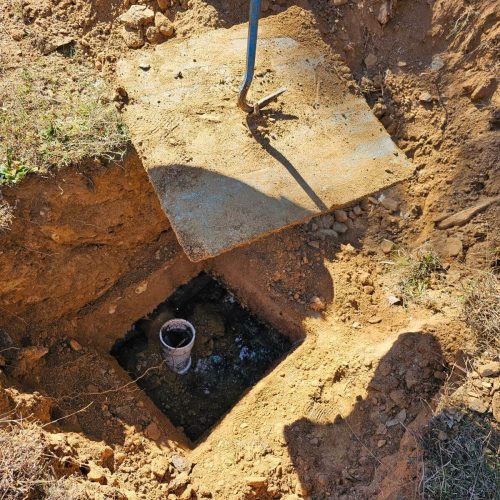
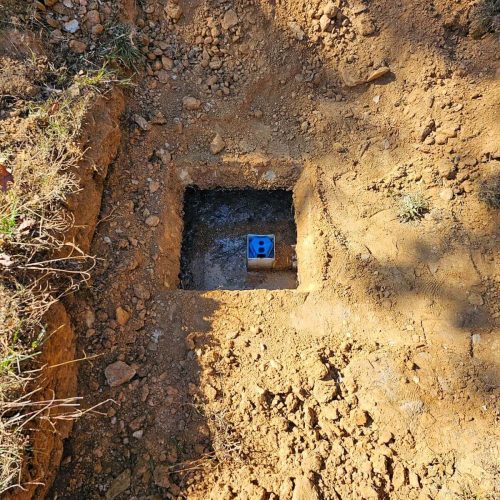
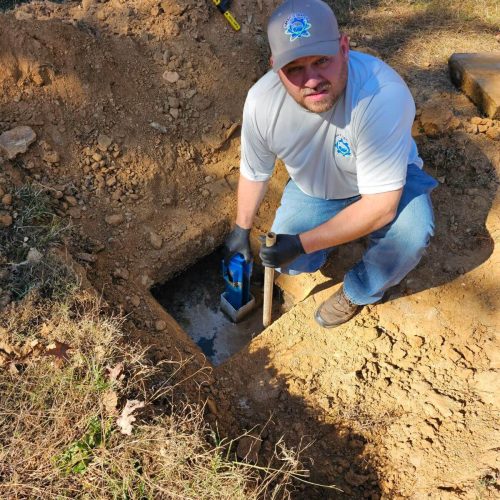
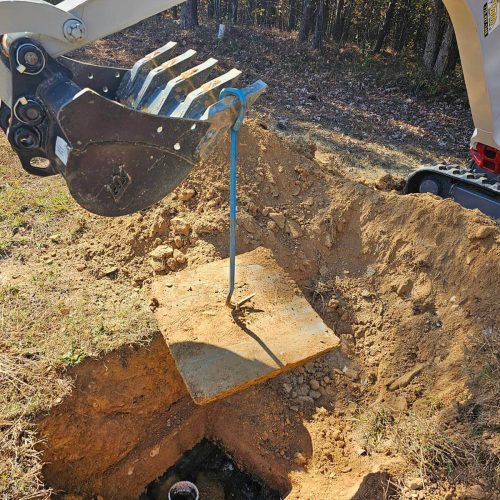
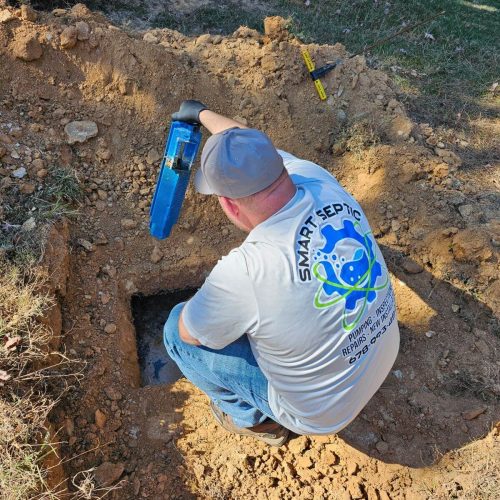
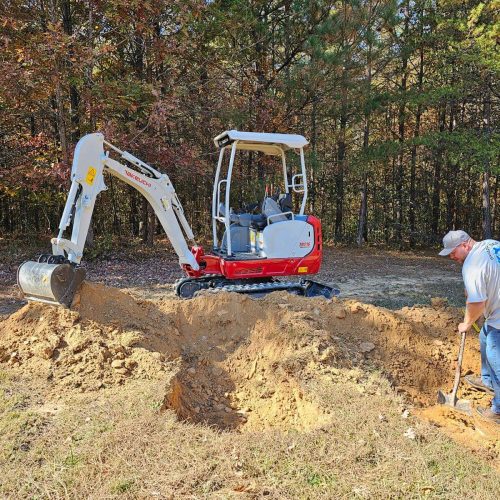
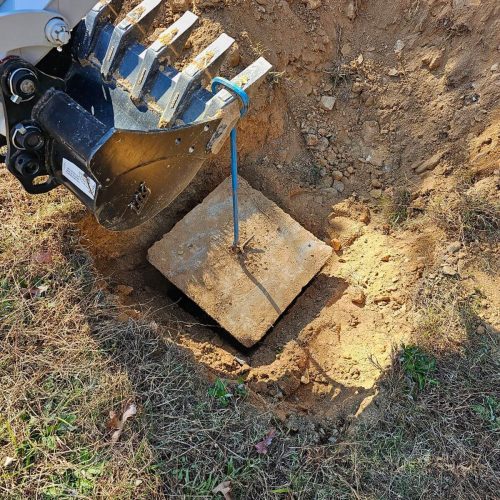
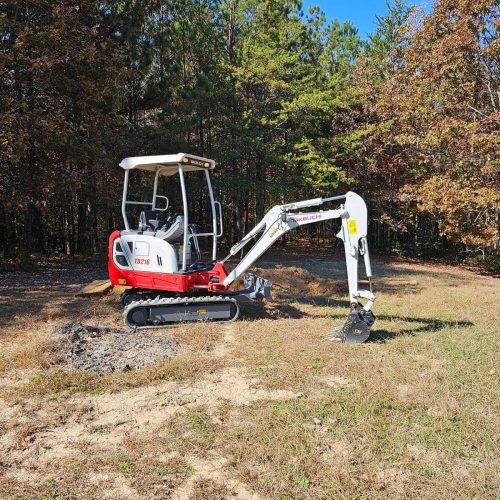
Smart Septic Pros is a reliable and trustworthy choice for both homeowners and businesses. We provide a comprehensive range of services to meet all of your needs. Our service area includes Cobb, Cherokee, Bartow, Fulton, Dekalb, Douglas, Paulding, and Carrol counties.
Find Smart Septic Service Areas Near You
Georgia’s Trusted Septic Pumping Company
Your go-to expert for residential and commercial septic services in Metro Atlanta and beyond. Find your nearest solution for efficient, reliable septic care, including emergency septic services. We’re just around the corner, ready to ensure your system runs smoothly!
tank, water, drainage, plumbing, septic tank, drain, georgia, pump, maintenance, reputation, atlanta, inspection, sewage, customer, metro atlanta, septic service, septic tank repair, septic tank service, septic services, request a quote, affordable septic services, sewer line repair, septic experts, free estimate, septic tank inspections, commercial septic services, residential septic services, septic tank services, grease trap cleaning, septic repairs, septic pumping services, waste management, customer service, grease trap, price, customer satisfaction, emergency
Frequently Asked Questions
What are the consequences of a septic system failure in Georgia?
A septic system failure in Georgia can lead to serious health risks, property damage, and costly repairs. Contaminated groundwater and surface water can pose environmental hazards, while homeowners may face fines and legal issues for non-compliance with local regulations.
How often should I pump my septic tank in Georgia?
In Georgia, it is recommended to pump your septic tank every 3 to 5 years, depending on household size and water usage. Regular maintenance helps prevent system failures and costly repairs.
What are the signs of a properly functioning septic system in Georgia?
A properly functioning septic system in Georgia typically shows clear signs such as healthy grass growth over the drain field, no foul odors, and efficient drainage with no standing water. Regular maintenance and inspections also contribute to its optimal performance.
Can I use a septic system in a flood zone in Georgia?
Yes, you can use a septic system in a flood zone in Georgia, but it requires careful planning and adherence to local regulations to ensure proper installation and maintenance to prevent contamination and system failure during floods.
Can I repair my own septic system in Georgia?
Repairing your own septic system in Georgia is not recommended. Septic systems require specialized knowledge and adherence to local regulations. It's best to hire a licensed professional to ensure safe and effective repairs.
Who do I call for a septic emergency in Georgia?
For a septic emergency in Georgia, call Smart Septic Pros at 678-993-4545. Our team is available 24/7 to provide prompt and reliable septic services to restore your system quickly and efficiently.
Can I install a septic system myself in Georgia?
Installing a septic system yourself in Georgia is not recommended. It requires proper permits, adherence to local regulations, and expertise to ensure safe and effective installation. Hiring a licensed professional is essential for compliance and optimal performance.
Are there any grants for septic system replacement in Georgia?
Yes, there are grants available for septic system replacement in Georgia. Programs may vary by county, so it's best to check with local health departments or environmental agencies for specific eligibility and application details.
What are the benefits of regular septic pumping in Georgia?
Regular septic pumping in Georgia prevents costly backups, extends the lifespan of your septic system, and ensures proper waste breakdown. It also helps maintain a healthy environment by reducing the risk of groundwater contamination.
What are the signs of a failing septic system in Georgia?
Signs of a failing septic system in Georgia include slow drains, foul odors around the tank or drain field, pooling water in the yard, and lush, green grass over the septic area. If you notice these issues, seek professional help immediately.
How do I maintain my septic system in Georgia?
To maintain your septic system in Georgia, regularly pump your tank every 3-5 years, avoid flushing non-biodegradable items, conserve water, and ensure proper drainage away from the system. Schedule inspections to catch issues early.
Are there special requirements for septic systems in coastal Georgia?
Yes, coastal Georgia has specific requirements for septic systems due to its unique environmental conditions, including soil types and proximity to water bodies. These regulations ensure proper wastewater management and protect the coastal ecosystem.
Are there any licensed septic installers in Georgia?
Yes, there are licensed septic installers in Georgia. It is essential to hire a licensed professional to ensure compliance with state regulations and proper installation of your septic system.
Can I sell my property with a failing septic system in Georgia?
Yes, you can sell a property with a failing septic system in Georgia, but it is typically required to disclose the issue to potential buyers. Addressing the problem before selling can enhance the property's value and appeal.
What are the state regulations for septic systems in Georgia?
In Georgia, septic system regulations require proper installation, maintenance, and periodic inspections to ensure environmental safety. Homeowners must obtain permits and comply with local health department guidelines for system design and placement.
How do I choose a reputable septic service provider in Georgia?
To choose a reputable septic service provider in Georgia, look for licensed and insured companies with positive customer reviews, transparent pricing, and a history of reliable service. Additionally, seek providers who offer comprehensive services and prompt emergency support.
How much does a septic system cost in Georgia?
The cost of a septic system in Georgia typically ranges from $3,000 to $7,000, depending on factors such as system type, soil conditions, and installation requirements. It's best to consult local professionals for accurate estimates.
Who provides septic inspections in Georgia for real estate transactions?
Licensed septic service providers, like Smart Septic Pros, offer thorough septic inspections in Georgia specifically for real estate transactions, ensuring compliance and peace of mind for buyers and sellers alike.
How often should I have my septic system inspected in Georgia?
In Georgia, it is recommended to have your septic system inspected every 3 to 5 years. Regular inspections help identify potential issues early and ensure your system operates efficiently.
smart septic pros, septic tank pumping near me, septic services near me, septic plumbing, septic service pro, septic tank services near me, septic system repair near me, septic tank services in georgia, septic pumping near me, septic pumping roswell, septic pumping roswell ga, roswell septic services, septic tank service paulding county ga, floyd county septic services, septic repair roswell ga, shamrock septic blue ridge ga, septic tank repair long county ga, georgia state tree, septic install blue ridge ga, septic tank install blue ridge ga, septic repairs blue ridge ga, septic system service blue ridge ga, emergency septic service cherokee county, septic system repairs blue ridge ga, septic repair blue ridge ga, septic system installers blue ridge ga, septic system repair blue ridge ga, septic system install blue ridge ga, septic service blue ridge ga, septic tank installers blue ridge ga