Frequently Asked Questions
Who performs Palmetto septic inspections in my area?
Septic inspections in Palmetto are performed by professional service providers like Smart Septic Pros, who specialize in assessing, maintaining, and ensuring the compliance of septic systems for homes and businesses in the area.
What is included in a septic tank inspection in Palmetto, GA?
A septic tank inspection in Palmetto, GA, includes assessing the tank's structural integrity, checking for leaks, evaluating sludge levels, inspecting the drain field for functionality, and ensuring compliance with local regulations for optimal performance.
How much does a septic tank inspection cost in Palmetto, GA?
The cost of a septic tank inspection in Palmetto, GA, typically ranges from $200 to $500, depending on factors like system size and location. It's best to contact Smart Septic Pros for a precise quote tailored to your property.
What is the purpose of Palmetto septic inspections?
The purpose of Palmetto septic inspections is to assess the condition and functionality of septic systems, ensuring they operate efficiently and comply with local regulations. Regular inspections help prevent costly repairs and maintain a healthy environment.
Are septic tank inspections required in Palmetto, GA?
Septic tank inspections are required in Palmetto, GA, to ensure proper system functioning and adherence to local health regulations. Regular inspections help prevent costly repairs and environmental issues, making them essential for homeowners and property managers.
What does a septic tank inspection report include?
A septic tank inspection report includes a comprehensive evaluation of the tank's condition, the level of sludge and scum, the integrity of the components, and any necessary repairs or maintenance recommendations to ensure optimal system performance.
How often should I inspect my septic tank in Palmetto, GA?
Regular septic tank inspections in Palmetto, GA, should be conducted every three to five years, depending on usage and system type. Routine checks help prevent costly repairs and ensure proper functioning.
What are the benefits of regular septic tank inspections?
The benefits of regular septic tank inspections include preventing costly repairs, ensuring the system operates efficiently, and maintaining compliance with local regulations. These inspections help identify issues early, promoting a healthier environment and protecting your property's value.
What qualifications should septic inspectors have?
The qualifications that septic inspectors should have include relevant certifications, knowledge of local regulations, and experience in evaluating septic systems. Additionally, they should possess strong technical skills and a commitment to environmentally responsible practices.
How to choose a septic inspection service?
Choosing a septic inspection service involves assessing their experience, qualifications, and customer reviews. Look for companies that offer comprehensive inspections and compliance with local regulations, like Smart Septic Pros, for reliable and efficient service.
When should I schedule my inspection?
The optimal time to schedule your septic tank inspection is every 1 to 3 years, depending on usage and local regulations. Regular inspections help identify potential issues early and maintain your system’s efficiency and compliance.
What equipment is used for inspections?
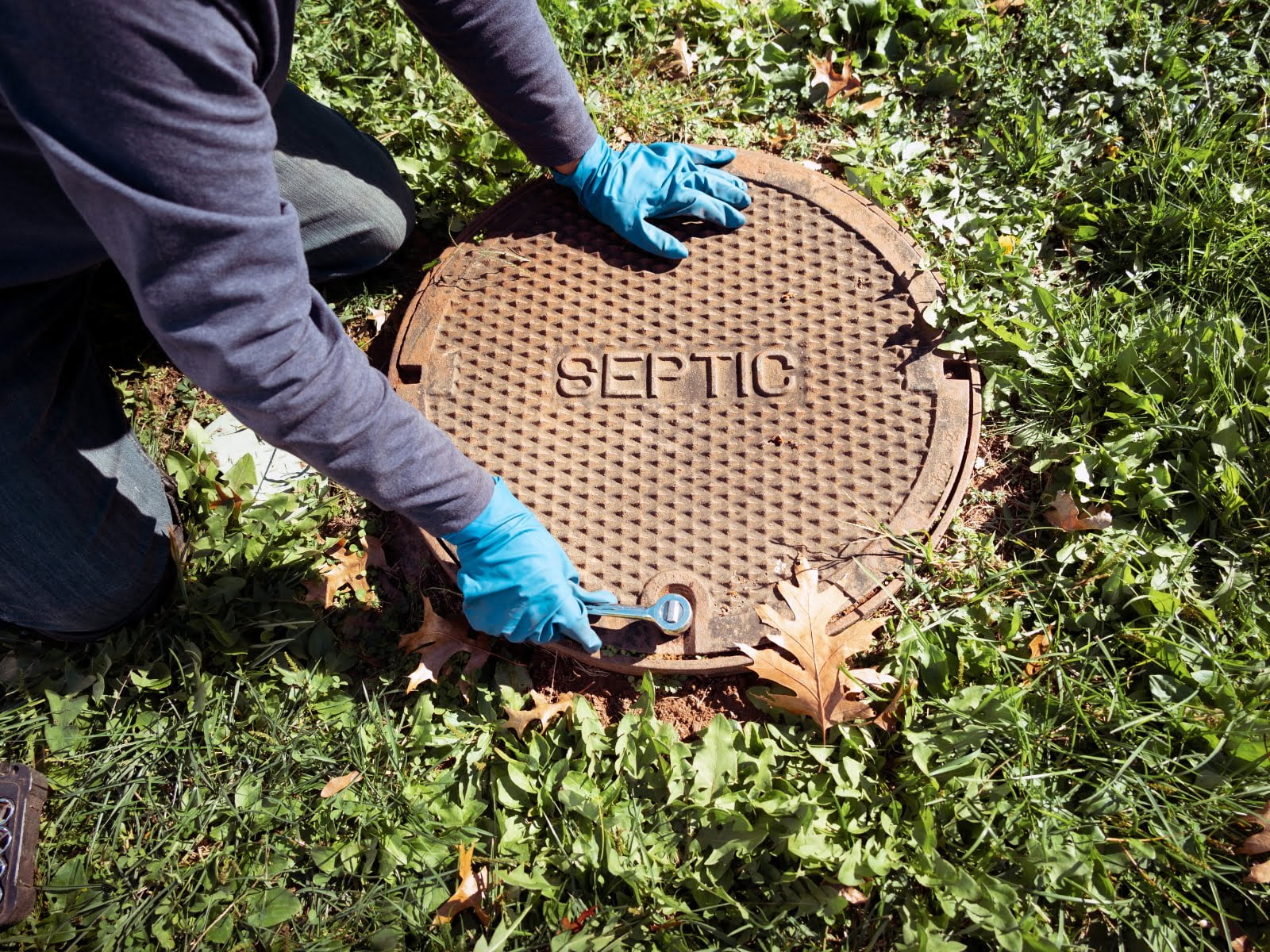
The equipment used for septic tank inspections includes specialized cameras for visual assessments, pressure gauges for measuring system functionality, and tools for accessing septic tank lids. These ensure thorough evaluations for efficient septic system maintenance.
What happens during a septic inspection?
A septic inspection involves a thorough evaluation of your septic system, including checking the tank, drain field, and overall functionality. This process ensures that your system is operating efficiently and identifies any necessary repairs or maintenance.
Can I be present during the inspection?
You can be present during the inspection. We encourage homeowners to observe the process, as it allows you to ask questions and understand your septic system better, ensuring transparency and peace of mind.
What are the common issues found during inspections?
The common issues found during septic tank inspections include insufficient sludge capacity, leaks in the tank or pipes, improper drainage, root intrusions, and faulty baffles. Identifying these problems early can prevent costly repairs and ensure your system operates efficiently.
How do inspections affect property value?
Inspections can significantly impact property value. A thorough septic inspection reveals the system's condition, ensuring compliance and functionality, which reassures potential buyers and can enhance overall property appeal.
What steps follow a failed inspection?
The steps following a failed inspection include identifying the issues that caused the failure, discussing possible repair options with a professional, and scheduling the necessary maintenance or repairs to ensure your septic system is functioning properly.
Do septic inspections cover all system elements?
Septic inspections cover all essential system elements, including the tank, drain field, and associated components, to ensure optimal functionality and compliance with local standards. Regular inspections help identify potential issues before they become costly repairs.
Why prioritize septic inspections for homeowners?
Prioritizing septic inspections for homeowners is essential to prevent costly repairs, ensure the system operates efficiently, and comply with local regulations. Regular inspections help maintain system health, protecting your property and the environment.
What local regulations pertain to septic inspections?
Local regulations for septic inspections in Palmetto, GA, typically require routine inspections to ensure compliance with health and safety standards. These regulations help maintain proper sewage management and protect the environment.
How can I prepare for a septic inspection?
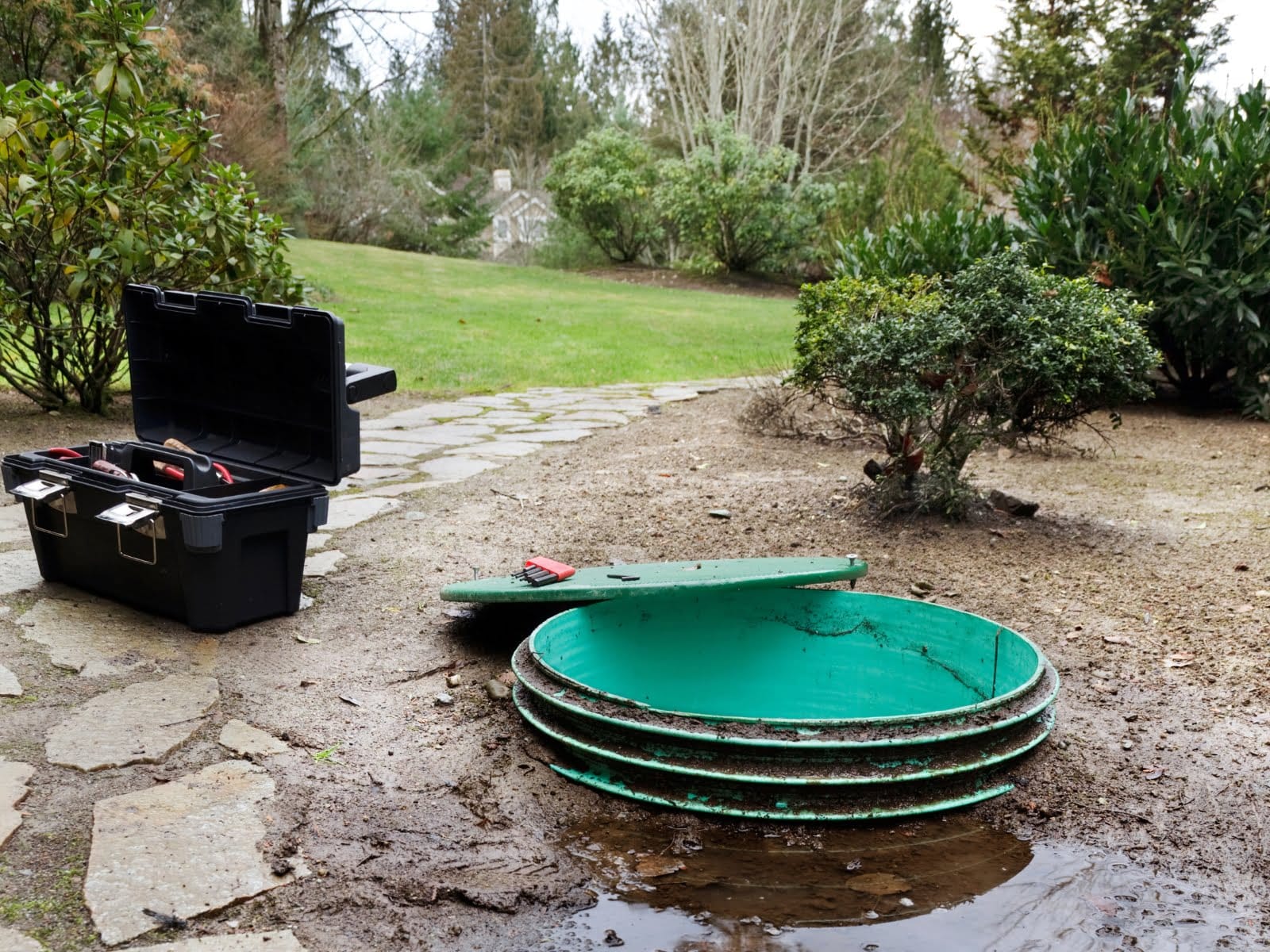
Preparing for a septic inspection involves clearing the area around your septic tank and drain field, ensuring easy access for the inspector. Additionally, make a note of any issues you've noticed with your system, such as odors or slow drains.
What timeline should I expect for results?
The timeline for results can vary based on factors such as the condition of your septic system and the specific services performed. Generally, you can expect to see improvements within a few days after inspection and necessary maintenance.
How does weather impact septic inspections?
Weather impacts septic inspections by affecting ground conditions and system accessibility. Heavy rain or snow can hinder visibility and create challenges in assessing the tank and drain field, making it essential to schedule inspections during favorable weather conditions for accurate evaluations.
What signs indicate my septic needs inspection?
Signs that indicate your septic system needs inspection include slow drains, foul odors near the septic tank, wet spots in your yard, and frequent backups in your plumbing. Addressing these issues promptly can prevent costly repairs.
How frequently should businesses schedule inspections?
Businesses should schedule septic inspections at least once a year to ensure optimal performance and compliance with regulations. More frequent inspections may be necessary for high-usage systems or those showing signs of trouble.
What are the consequences of skipping inspections?
The consequences of skipping inspections can be significant. Neglecting regular septic tank inspections may lead to costly repairs, system failures, contamination of groundwater, and potential legal issues due to non-compliance with local regulations.
Are there seasonal impacts on septic inspections?
Seasonal impacts can affect septic inspections. Heavy rain or frozen ground may hinder access to systems and mask signs of trouble, making inspections more challenging during certain times of the year. Regular inspections, however, help mitigate these seasonal risks.
How long does a septic inspection last?
The duration of a septic inspection typically lasts between 1 to 2 hours. This timeframe allows our experts at Smart Septic Pros to thoroughly evaluate your septic system and ensure it operates efficiently.
Can inspections identify potential future problems?
Inspections can identify potential future problems. By assessing your septic system's current condition, professionals can detect early signs of wear, blockages, or malfunctions, allowing for timely interventions that prevent costly repairs and maintain system efficiency.
What customer reviews say about local inspectors?
Customer reviews about local inspectors highlight their professionalism, expertise, and prompt service. Many customers appreciate their thorough evaluations and proactive recommendations, leading to improved septic system maintenance and user satisfaction.