Frequently Asked Questions
What are the regulations for septic systems in Georgia?
The regulations for septic systems in Georgia require proper permitting, installation, and maintenance to ensure the safe treatment and disposal of wastewater. This includes adhering to state and local codes regarding system design, setback requirements, and regular inspections.
Do I need a permit for septic tank repair in Georgia?
In Georgia, a permit is typically required for septic tank repair to ensure the work is done properly and meets local regulations.
What are the costs of septic tank repairs in Georgia?
The costs of septic tank repairs in Georgia can vary depending on the extent of the issue, but typically range from $500 to $3,000 for common repairs such as pumping, minor leaks, or baffle replacements.
What causes septic tank backups in Georgia homes?
Septic tank backups in Georgia homes can be caused by a variety of factors, including blockages in the drainage field, tree root intrusion, improper maintenance, and overuse of the system beyond its designed capacity.
What is the average lifespan of a septic tank in Georgia?
The average lifespan of a septic tank in Georgia is typically 20 to 30 years, depending on proper maintenance and usage.
What are common signs of septic tank failure in Georgia homes?
Common signs of septic tank failure in Georgia homes include slow draining sinks or toilets, sewage odors, and pooling water around the septic system. Identifying and addressing these issues promptly can help prevent more costly repairs.
Who can I call for septic tank pumping in Georgia?
For septic tank pumping in Georgia, you can call a reliable septic service provider like Smart Septic Pros, who offer professional septic tank pumping and maintenance services across the Metro Atlanta area.
Who offers 24-hour septic tank repair in Georgia?
Smart Septic Pros offers 24-hour septic tank repair services for residential and commercial clients in Georgia, particularly in the Metro Atlanta area.
How often should septic tanks be inspected in Georgia?
Septic tanks in Georgia should be inspected at least once every 1-3 years to ensure proper functioning and prevent costly issues.
How do I choose a reliable septic service in Georgia?
When choosing a reliable septic service in Georgia, look for a licensed and experienced provider, one that offers comprehensive inspections, prompt repairs, and environmentally responsible septic system management to ensure the longevity and proper functioning of your septic system.
What are the most common septic tank problems in Georgia?
The most common septic tank problems in Georgia include clogged drain fields, tank leaks, improper installation, and lack of regular maintenance, which can lead to expensive repairs and environmental issues if not addressed promptly.
How do I maintain my septic system in Georgia?
Maintaining your septic system in Georgia involves regular inspections, pumping the tank every 3-5 years, and being mindful of what goes down the drain to prevent clogs and backups.
Who offers emergency septic tank repair in Georgia?
Smart Septic Pros offers emergency septic tank repair services in Georgia, particularly in the Metro Atlanta area, providing reliable and timely solutions to address urgent septic system issues.
What are the signs of a failing septic system in Georgia?
The signs of a failing septic system in Georgia include slow draining sinks, sewage odors, standing water around the septic tank, and lush, green grass over the drain field, which may indicate system issues requiring prompt attention.
Who provides septic tank repair services in rural Georgia areas?
Smart Septic Pros, a leading septic service provider, offers reliable septic tank repair services to residential and commercial clients in rural Georgia areas, ensuring effective and environmentally responsible septic system management.
How much does septic tank repair cost in Georgia?
The cost of septic tank repair in Georgia can vary depending on the extent of the repair needed, but typically ranges from $500 to $3,000 or more for major issues.
What is the average cost of septic system repair in Georgia?
The average cost of septic system repair in Georgia typically ranges from $500 to $5,000, depending on the extent of the repair, location, and other factors.
How do I know if my septic tank needs repair in Georgia?
Knowing if your septic tank needs repair in Georgia can be determined by signs like slow draining, sewage odors, and frequent backups. Regular inspections are recommended to identify and address any issues early on.
How long does a septic tank repair take in Georgia?
The duration of a septic tank repair in Georgia can vary depending on the complexity of the issue, but typically ranges from 1 to 3 days for a standard repair project.
What are the fees for septic system permits?
The fees for septic system permits vary based on the location and the specific requirements of the local authorities. Typically, the costs can range from $100 to $500 or more, depending on the scope of the project and the permit type.
How to find reliable septic tank services?
Finding reliable septic tank services involves researching local providers, checking their credentials, reading reviews, and inquiring about their experience and the services they offer to ensure they can address your specific septic system needs.
What materials are used for septic tanks?
Septic tanks are typically constructed using concrete, fiberglass, or plastic materials. These durable materials are selected to ensure the tank's structural integrity and long-term performance in handling wastewater treatment.
How to troubleshoot septic tank issues?
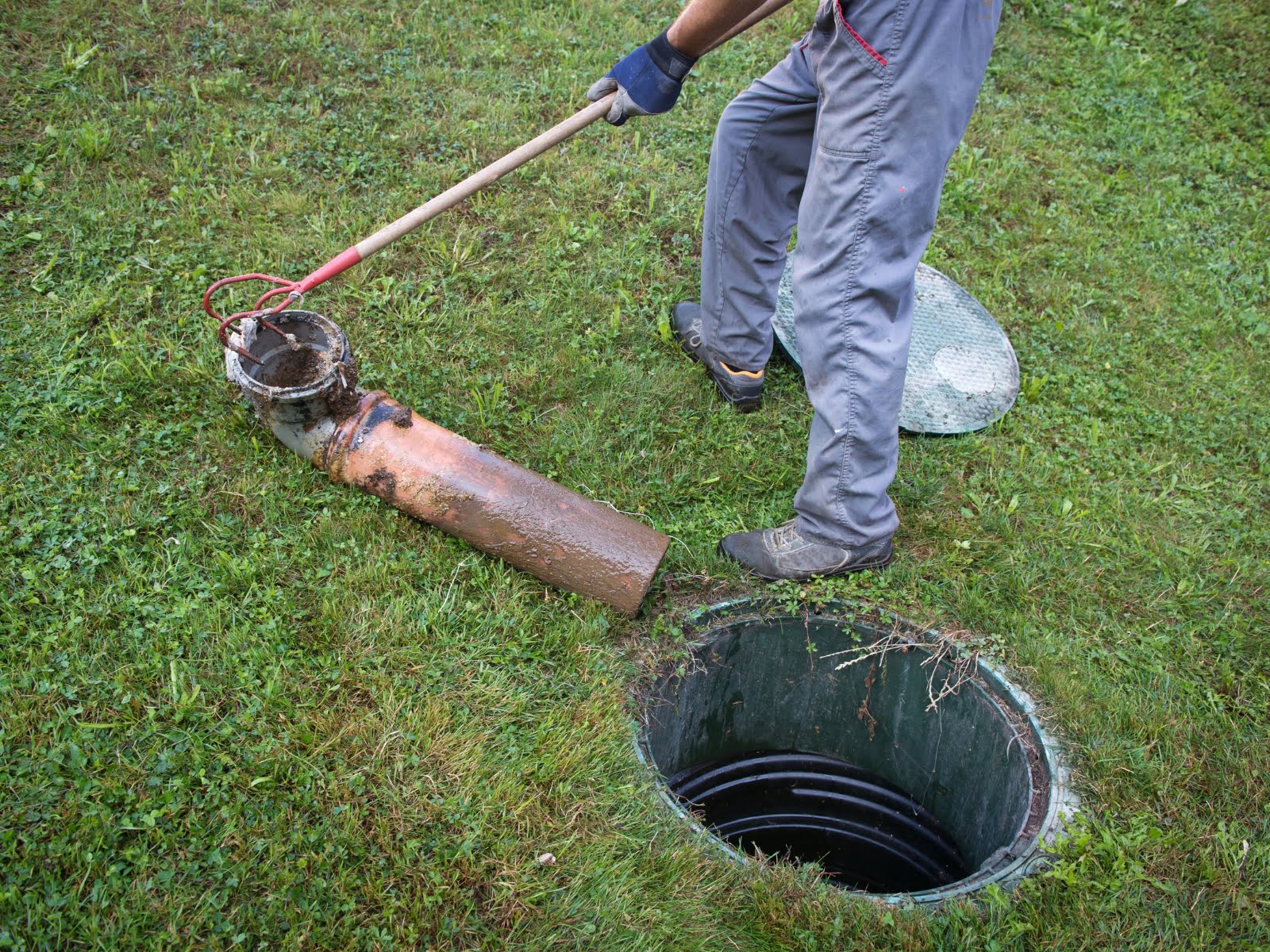
Troubleshooting septic tank issues involves inspecting for signs of system failure, such as slow drainage, standing water, or unpleasant odors, and promptly addressing any problems to prevent further damage and environmental impact.
What are the environmental impacts of septic systems?
The environmental impacts of septic systems can include potential groundwater contamination, surface water pollution, and soil degradation if not properly maintained and managed.
Is maintenance different for residential and commercial systems?
Maintenance requirements for residential and commercial septic systems can vary due to differences in usage, size, and waste composition. Proper maintenance is crucial for both systems to ensure efficient operation and avoid costly issues.
What are the advantages of regular septic inspections?
Regular septic inspections help identify potential issues early, prevent costly repairs, ensure proper system functioning, and maintain compliance with local regulations, ultimately safeguarding the environment and property value.
How to detect septic system leaks early?
Detecting septic system leaks early involves regular inspections, monitoring for signs like soggy ground or slow drainage, and having a professional evaluate the system for any issues that require prompt attention and repair.
What should I do during a septic emergency?
During a septic emergency, it is crucial to contact a professional septic service provider immediately to assess the situation and take appropriate action to prevent further damage and environmental impact.
Who regulates septic services in Georgia?
Septic services in Georgia are regulated by the Georgia Department of Public Health, which oversees the installation, maintenance, and inspection of septic systems to ensure public health and environmental safety.
How can I prevent septic tank backups?
Preventing septic tank backups involves regular inspections, prompt repairs, and responsible use of the septic system. This includes avoiding flushing non-biodegradable items, minimizing water usage, and scheduling timely septic tank pumping and maintenance.