septic system installationsewer line inspection service
Septic System FAQs: Expert Answers on Septic Tank Maintenance and Repair in Acworth, GA
By David Pierce, Smart Septic Pros
Septic systems play a crucial role in managing wastewater, particularly in areas where municipal sewage systems are unavailable. Understanding the complexities of septic tank maintenance and repair is essential for homeowners in Acworth, GA. This article aims to provide comprehensive answers to frequently asked questions about septic systems, including maintenance schedules, common issues, and best practices for upkeep.
Regular septic maintenance not only ensures the longevity of the system but also promotes environmental health and safety, addressing common pain points like backups and malfunctions. This guide will delve into essential topics such as how often to pump septic tanks, signs of system failure, and emergency procedures for sudden septic issues. Key sections will include an overview of septic tank maintenance, insights into common repair issues, and detailed best practices.
Septic Tank Maintenance
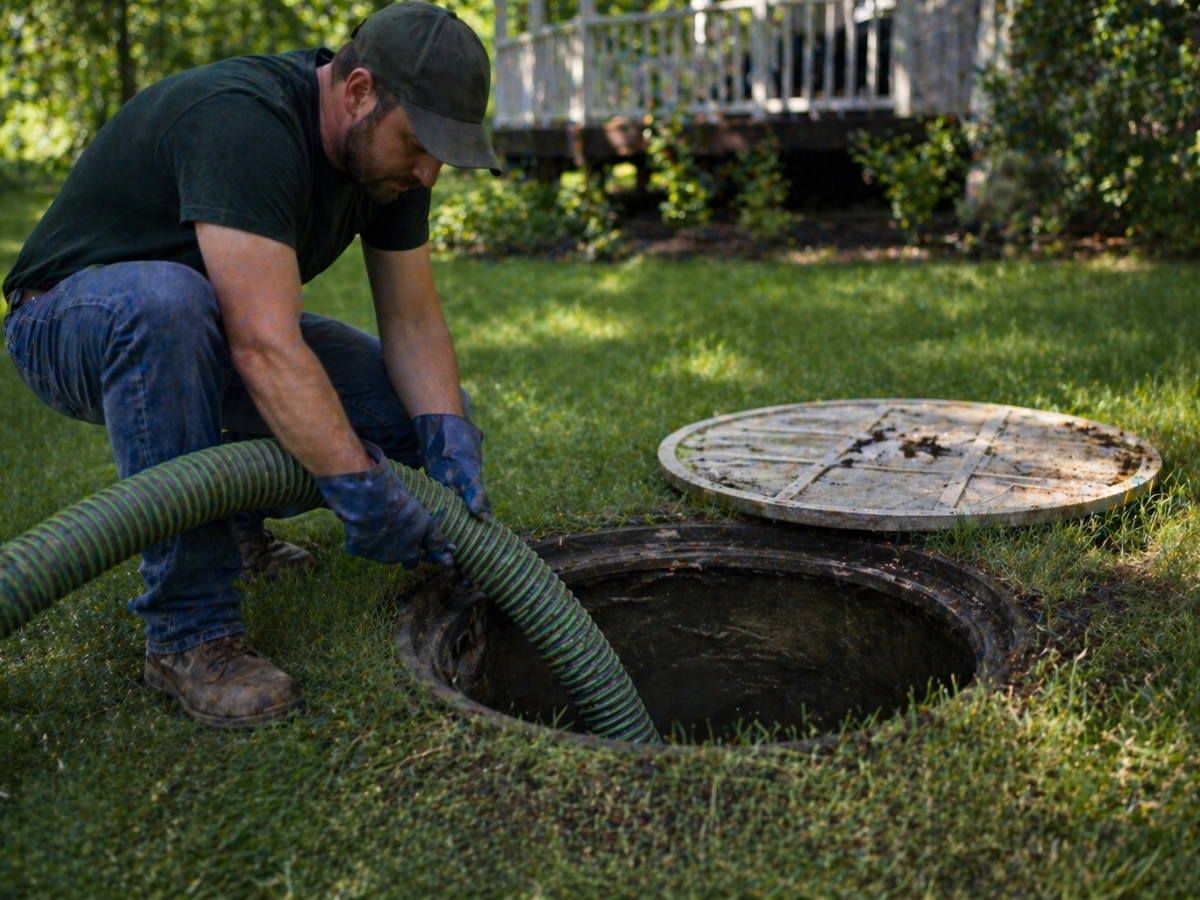
Septic tank maintenance involves routine inspections and pumping to ensure proper functionality and environmental safety. This process includes monitoring the tank for leaks, ensuring the drain field is functioning effectively, and adhering to a pumping schedule that typically ranges from three to five years. Regular maintenance keeps waste flowing smoothly and prevents costly repairs down the line, safeguarding the integrity of your septic system.
Main components of septic tank maintenance include:
- Routine Pumping: Essential for removing sludge and scum build-up.
- Scheduled Inspections: Regular checks for leaks or damage.
- Preventative Care Practices: Best practices to avoid blockages and failures.
Common Repair Issues
Septic systems can face various problems that may require immediate attention. Understanding these common repair issues can help homeowners recognize symptoms early and seek timely professional assistance. Awareness of these issues is critical for maintaining system efficiency and emergency septic repair services.
Common issues with septic systems include:
and
- Clogs and Backups: Often caused by excessive waste or non-biodegradable items entering the system.
- Drain Field Problems: Include standing water or lush vegetation, indicating a malfunction.
- Leaks and Cracks: Can lead to groundwater contamination and require immediate repairs.
Best Practices
To maintain a healthy septic system, homeowners should adhere to best practices that promote longevity and efficiency. These practices not only prevent regular repairs but also ensure that the system operates effectively over time. Proper care can drastically improve the life expectancy of your septic system.
Best maintenance practices include:
- Choose Professional Services: Utilizing experienced professionals for inspections and repairs ensures high-quality service.
- Emergency Services Availability: Knowing contact information for emergencies can be critical during failures.
- Eco-Friendly Practices: Using biodegradable products minimizes the impact on the septic system.
How Often Should You Pump Your Septic Tank in Acworth, GA?
The frequency of pumping your septic tank is vital for maintaining system health. On average, homeowners should consider pumping their septic tank pumping every three to five years; however, specific factors can influence this timeline. Understanding when to pump can save you from significant repair costs. For more information on this essential service, consider visiting septic tank pumping.
Factors Influencing Pumping Frequency
Several factors determine how often you should pump your septic tank:
- Household Size: More occupants typically result in more wastewater production, requiring more frequent pumping.
- Tank Size: Larger tanks may require less frequent pumping compared to smaller ones.
- Usage Habits: High water usage can increase the amount of solid waste that collects in the tank.
What Is the Recommended Septic Tank Pumping Schedule?
The recommended septic tank pumping schedule often varies based on household size, tank capacity, and family habits. Generally, a consistent schedule will help ensure the optimal functioning of your septic system.
- For Small Households: Pump every 3-5 years.
- For Larger Families: Consider annual inspections with pumping every 2-3 years.
- Monitor Changes: Adjust the schedule based on any signs of system distress observed during regular checks.
How Does Pumping Frequency Affect Septic System Health?
Pumping frequency directly impacts septic system health in several critical ways. Maintaining an appropriate schedule prevents the build-up of solids that can lead to clogs, odors, and costly repairs.
Pumping helps:
- Prevent Backups: Regularly removing sludge ensures that wastewater can flow freely, preventing backups in your home.
- Avoid Costly Repairs: A well-maintained system can save thousands in emergency repairs or replacements.
- Support Environmental Integrity: Properly functioning systems protect groundwater and surrounding environments from contamination.
What Are the Common Signs of Septic Tank Failure?
Recognizing the signs of septic tank failure is essential for homeowners to act quickly before major issues arise. Symptoms often present themselves in distinct ways, enabling proactive measures to be taken.
Signs of potential septic tank failure include:
- Slow Draining Fixtures: If sinks or toilets are draining slowly, it may indicate a blockage.
- Sewage Odors: Foul smells near the drain field or in the house can signal problems.
- Pooling Water: Standing water around the drain field can mean the system is not functioning properly.
Which Symptoms Indicate a Drainfield or Tank Problem?
Certain symptoms specifically indicate issues with either the drainfield or the septic tank itself. Addressing these quickly can prevent further complications.
Symptoms to watch for include:
- Standing Water: Indicates that the drainfield is saturated and cannot absorb more wastewater.
- Excessively Green Patches: Lush green grass near the drainfield can signify a leak, suggesting untreated sewage is nourishing the plants.
How to Troubleshoot Septic System Failures Quickly?
Fast identification and resolution of septic system failures can minimize damage and repair costs. Homeowners can take several preliminary steps before contacting a professional. To understand how experienced professionals handle these situations, you can learn more about septic services.
To troubleshoot:
- Identify Symptoms: Observe if there are slow drains or odors present.
- Check for Backups: Ensure that no toilets are blocked and that all drains function properly.
- Contact Professionals: If symptoms persist, it’s crucial to call for professional septic services.
What Does Septic System Maintenance Include in Acworth, GA?
In Acworth, GA, septic system maintenance includes regular pumping, inspections, and addressing any signs of distress. Routine maintenance ensures the smooth operation of your system, protecting your property and the environment.
Maintenance components involve:
- Regular Inspections: Monitoring the condition of tanks and fields to catch issues early.
- Pumping: Removing accumulated sludge to prevent damages.
- Documentation: Keeping records of all maintenance actions for future reference.
What Are the Best Practices for Septic System Upkeep?
Best practices for septic system upkeep involve proactive measures that every homeowner can implement to extend the life of their system.
Best practices include:
- Regular Maintenance Contracts: Secure annual contracts for inspections and pumping to ensure compliance with schedules.
- Monitoring Water Usage: Implement conservation measures to reduce the strain on the septic system.
How Can Regular Maintenance Prevent Costly Repairs?
Engaging in regular maintenance can greatly reduce the risk of costly repairs associated with neglecting the septic system. The following practices demonstrate significant benefits.
Regular maintenance helps:
- Identify Problems Early: Regular checks allow for detecting small issues before they become costly repairs.
- Extend System Lifetime: Proper care prolongs the functionality of the septic tank and drain field.
- Ensure Compliance with Regulations: Staying updated on maintenance schedules ensures adherence to local environmental regulations.
How Are Septic Drainfield Repairs Performed and What Are the Costs?
Septic drainfield repairs involve various procedures depending on the nature and extent of the damage. Understanding the repair process helps homeowners know what to expect and how to budget effectively.
Repairs may include:
- Replacing Damaged Lines: This involves digging up portions of the drainfield to replace ineffective piping.
- Installations of New Fields: If repairs aren’t feasible, new fields may need to be installed, which can be costly.
What Are the Emergency Septic Repair Procedures Available?
In case of septic system emergencies, there are defined procedures that homeowners should follow to ensure safety and effective repairs.
Emergency procedures include:
- Stop Water Usage: Cease all water use within the property immediately.
- Identify Problems: Assess for any visible issues such as wet spots or unusual smells.
- Contact a Professional: Reach out to services for immediate diagnostics and repairs.
What Should You Do If Your Septic System Fails Suddenly?
Sudden septic system failures require immediate action to mitigate damage and ensure safety within the home.
Steps to manage sudden failure:
- Cease All Water Use: Limit water flow immediately to avoid worsening the issue.
- Contact Professionals: Promptly call specialists in septic repairs for diagnosis.
- Document Issues: Keep records and take photographs of the problem to assist professionals.
How Does Smart Septic Pros Handle Emergency Repairs in Acworth?
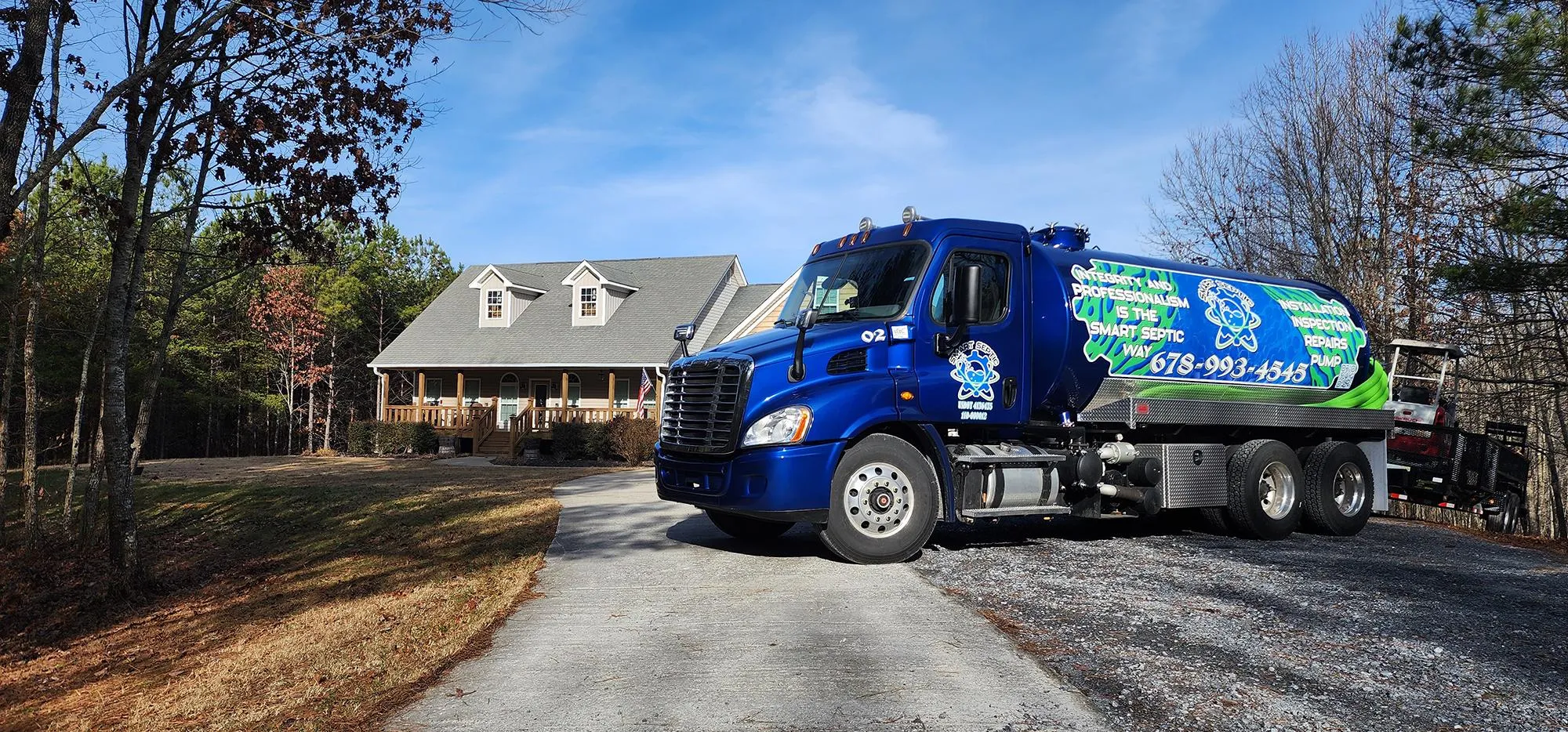
Smart Septic Pros is dedicated to providing timely emergency repairs in Acworth. With a commitment to customer satisfaction and extensive experience in septic systems, their team is well-equipped to handle urgent situations.
Their approach includes:
- 24/7 Support: Available around-the-clock for emergencies.
- Prompt Assessment and Repair: Quick diagnostics to restore system functionality as soon as possible.
For urgent issues, feel free to contact Smart Septic Pros at 678-993-4545.
Why Choose Smart Septic Pros for Septic Services in Acworth, GA?
Smart Septic Pros stands out among local providers due to their extensive expertise and comprehensive range of services. Choosing a reliable service is pivotal for effective septic system maintenance and repair. For more information about our company and the dedication we bring to every job, please visit our about us page.
Reasons to choose Smart Septic Pros include:
- Experienced Professionals: A team knowledgeable in all aspects of septic services.
- Wide Range of Services: From routine maintenance to emergency repairs, they cover all needs.
- Customer-Centric Approach: They prioritize client needs and environmental responsibility.
Learn more about our comprehensive septic services or contact us today to schedule an appointment.