Owning an RV or a property with a septic system comes with responsibilities that are easy to overlook until problems arise.
Waste buildup, odors, slow drainage, and system backups can quickly disrupt your plans if regular maintenance isn’t part of your routine. Understanding RV pumping and septic tank maintenance helps you avoid these issues and keep everything running smoothly.
Both RV tanks and residential septic systems rely on proper waste management to function efficiently. Without timely pumping and routine care, solids can accumulate, leading to clogs, system strain, and costly repairs.
By staying consistent with maintenance and knowing when to service your system, you can extend its lifespan, prevent unexpected breakdowns, and maintain a cleaner, more reliable setup wherever you are.
RV Pumping Services That Help Prevent Septic Tank Problems
How Often Should You Schedule RV Septic Tank Pumping?
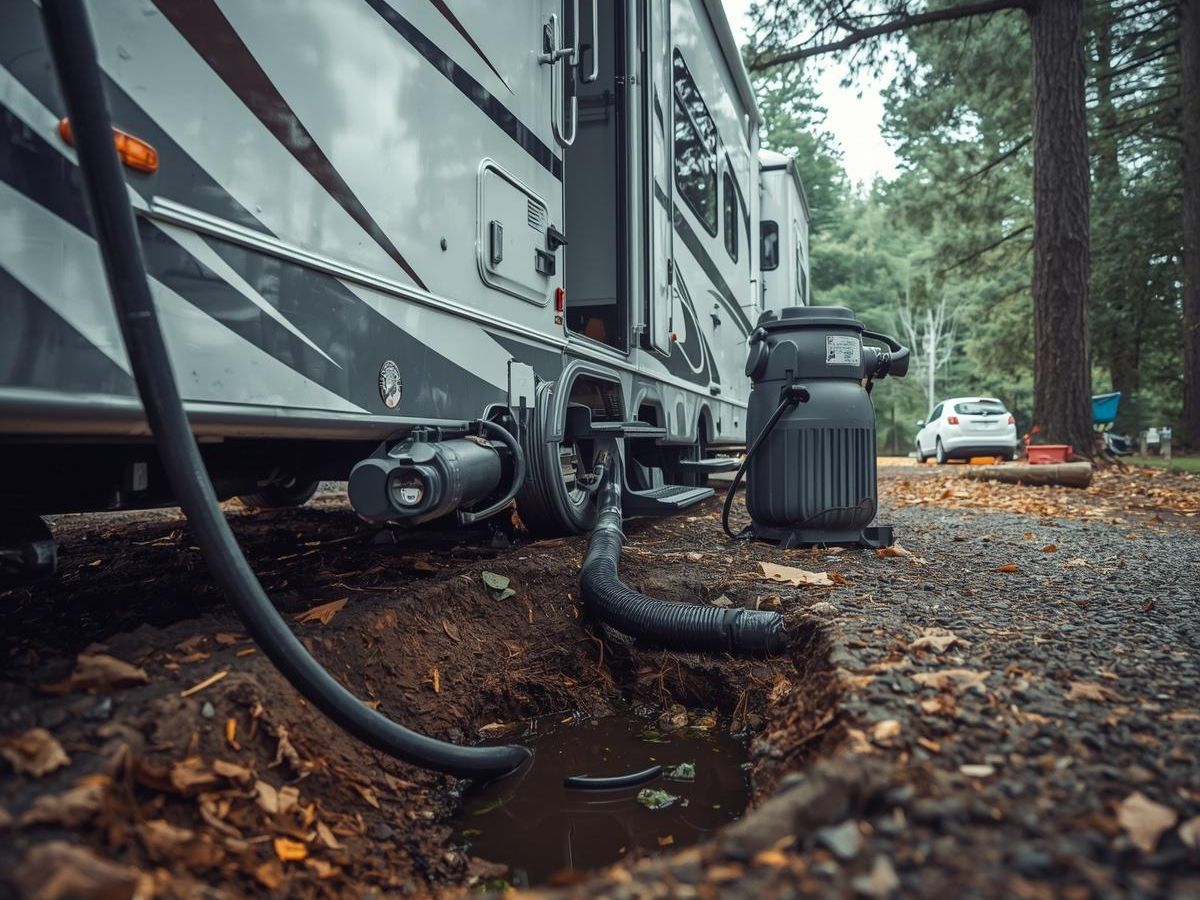
Keeping up with RV pumping is one of the simplest ways to avoid unpleasant surprises on the road. A consistent schedule helps your waste system run smoothly and reduces the risk of clogs, odors, or backups. While there is no single timeline that fits every situation, understanding how your RV is used makes it easier to plan ahead.
RV pumping should be treated as routine maintenance rather than something you only do when problems appear. When tanks are emptied regularly, the system stays cleaner and works more efficiently over time.
Recommended Pumping Frequency For Motorhome Waste Tanks
The frequency of RV pumping depends on a few practical factors. Tank size plays a role, but daily usage tends to matter more. An RV used by multiple people or for extended trips will fill faster than one used occasionally.
In most cases, scheduling RV pumping every 3 to 4 weeks works well during periods of regular use. If you are traveling frequently or staying in your RV full-time, you may need to pump more often. On the other hand, lighter use may allow for a slightly longer interval between services.
It helps to monitor how quickly your tanks fill rather than relying only on a fixed schedule. Once you notice a pattern, you can adjust your RV pumping routine to match your usage. This approach keeps your system functioning properly without unnecessary service visits.
Signs Your RV Septic System Needs Attention
Even with a schedule in place, there are times when your system may need attention sooner than expected. Paying attention to early warning signs can help you avoid larger issues.
Some common indicators include:
- Slow-draining sinks or toilets that take longer than usual to clear
- Noticeable odors inside or around the RV
- Waste backing up into fixtures, which signals a full or blocked tank
These signs suggest that RV pumping should be handled as soon as possible. Ignoring them can lead to more complicated problems, including damage to the system or uncomfortable living conditions during your trip.
How Usage Habits Affect Pumping Frequency
Daily habits can have a bigger impact on RV pumping than many people expect. Water usage, for example, directly affects how quickly tanks fill. Long showers, frequent dishwashing, and heavy toilet use all add up over time.
The type of waste also matters. Using appropriate toilet paper and avoiding materials that do not break down easily can help keep the system moving properly. These small choices reduce buildup and make each RV pumping session more effective.
Being mindful of how the system is used helps extend the time between services while still maintaining performance. It also reduces strain on the tank and related components.
Building A Practical RV Pumping Routine
A reliable routine comes from paying attention to both schedule and system behavior. Start with a general timeline, then adjust based on how your RV performs in real conditions. Over time, this creates a rhythm that fits your travel style.
It can also help to plan RV pumping around your trips. Scheduling service before or after longer stays keeps your system in good shape and reduces the chance of issues during travel. This kind of planning makes the experience more predictable and less stressful.
Keeping Your RV Waste System Running Smoothly
Consistent RV pumping supports the overall health of your waste system. It keeps tanks from becoming overloaded and helps prevent the kinds of problems that can interrupt a trip. More importantly, it allows you to focus on travel instead of maintenance concerns.
By combining a clear schedule with awareness of warning signs, you can manage RV pumping in a way that feels straightforward and reliable. This balanced approach helps your system stay clean, efficient, and ready for the next trip.
What Are The Key Steps In Professional RV Septic Tank Pumping?
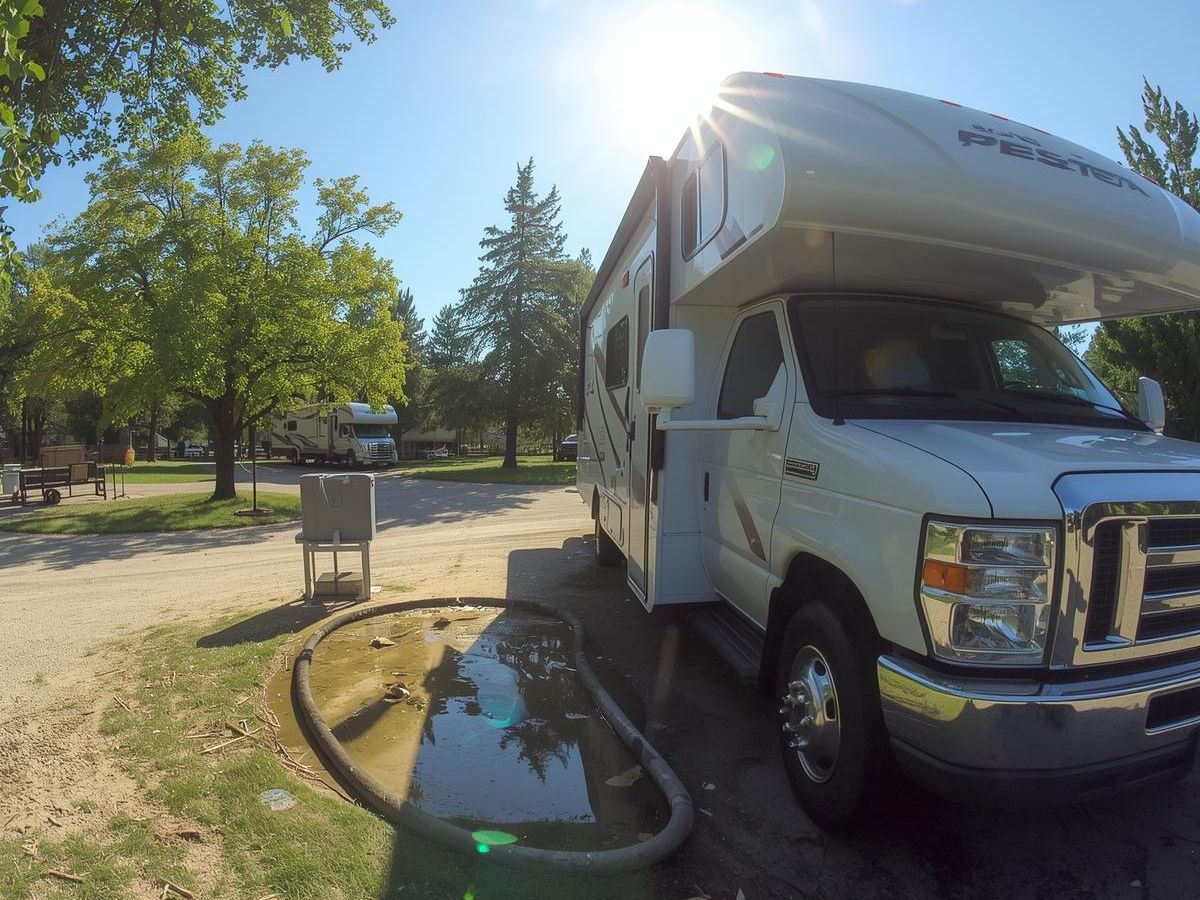
Professional RV pumping follows a structured process that focuses on both removal and system care. While it may seem straightforward, each step plays a role in keeping the waste system clean and functioning properly.
Understanding how RV pumping is handled can help you recognize why proper technique matters, especially when tanks are heavily used or overdue for service.
A well-handled service does more than empty the tank. It helps reduce buildup, prevents blockages, and keeps the septic system working as expected over time.
Step-by-Step Process Of Septic Tank Cleaning Services
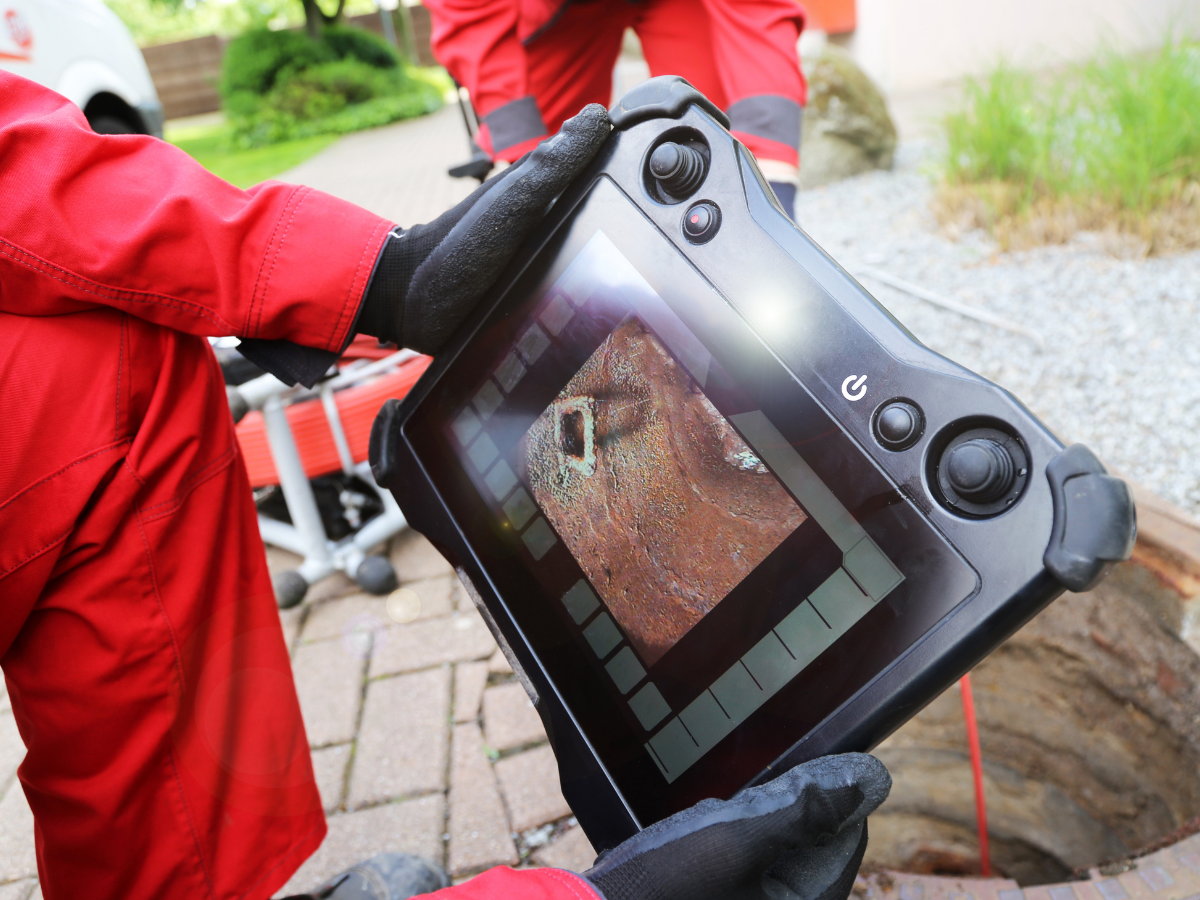
The process usually begins with a basic inspection. This step allows technicians to check the condition of the tank, confirm access points, and look for any visible concerns before starting RV pumping. Once everything is located and assessed, the main work begins.
Most professional RV pumping follows a clear sequence:
- Locate and access the tank to ensure safe and efficient entry
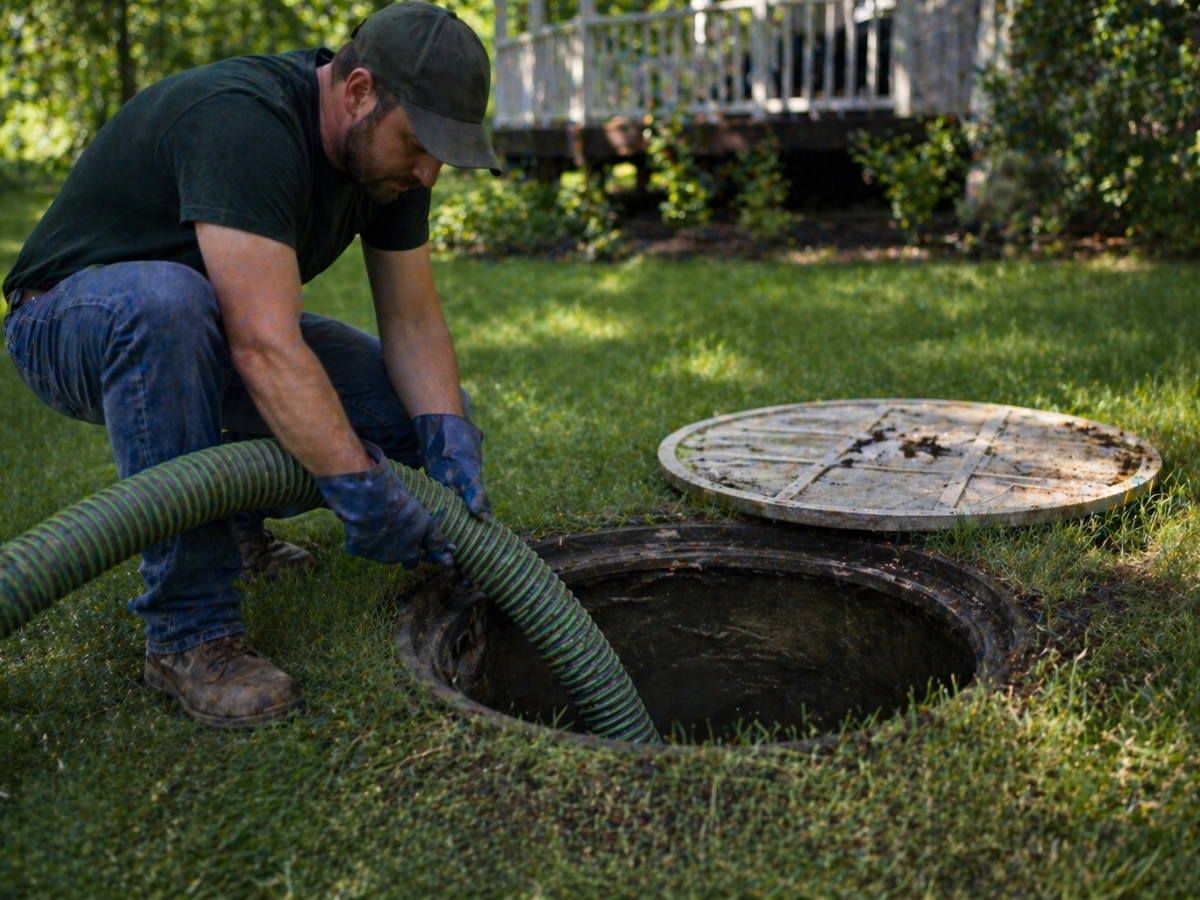
- Pump out waste using vacuum equipment designed for complete removal
- Rinse and clean the tank to reduce leftover sludge and buildup
Each step builds on the last. Removing waste alone is not always enough, especially if residue has started to collect along the tank walls. A light cleaning helps keep the system clear and ready for continued use.
This approach also makes it easier to spot potential issues early. During RV pumping, technicians may notice signs of wear or blockage that would otherwise go unnoticed.
Techniques Used For Efficient Waste Removal
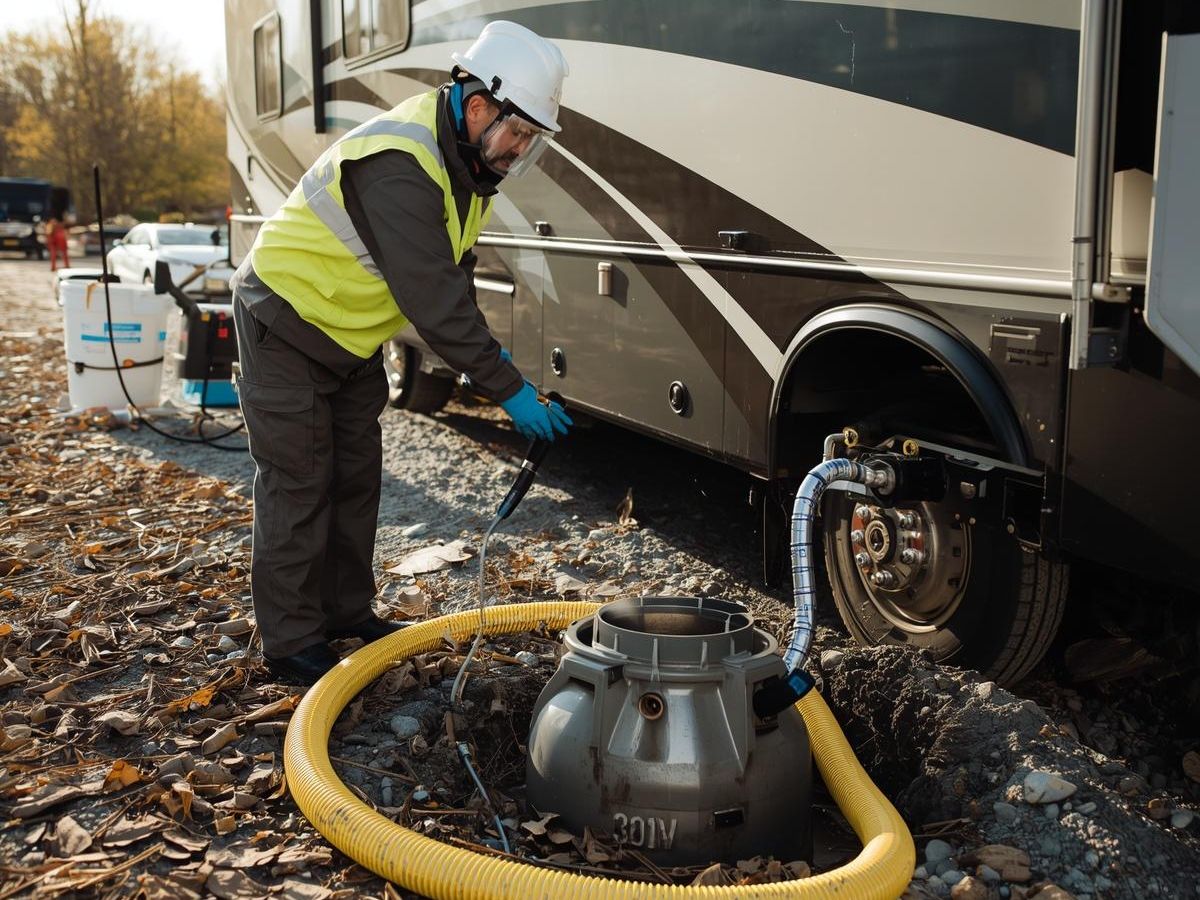
Modern RV pumping relies on equipment that is designed to remove waste quickly and thoroughly. One of the most common methods is vacuum pumping, which uses strong suction to clear out the contents of the tank. This method helps minimize leftover material and keeps the process efficient.
In some cases, additional cleaning methods are used to improve results. High-pressure water may be applied to break up stubborn buildup inside the tank or along connected pipes. This step is especially useful when the system has not been cleaned regularly.
Another important part of the process is proper waste handling. RV pumping is not just about removal but also about disposal. Waste must be transported and processed according to local guidelines to avoid environmental issues. This ensures that the entire process remains safe and compliant.
Why Thorough Cleaning Matters for Long-Term Performance
Regular RV pumping combined with proper cleaning helps extend the life of your waste system. When tanks are only partially emptied or left with heavy residue, buildup can harden over time. This makes future pumping less effective and increases the risk of clogs.
A more complete cleaning approach keeps the system in better condition. It allows waste to flow more easily and reduces strain on the tank and connected components. Over time, this can help prevent common issues that disrupt travel plans.
It also improves overall comfort. A cleaner system is less likely to produce odors or slow drainage, both of which can affect your experience while using the RV.
What To Expect From A Professional RV Pumping Service
When RV pumping is handled professionally, the process is usually quick, organized, and focused on efficiency. From inspection to final cleanup, each step is designed to leave the system ready for continued use.
Even if you are familiar with basic maintenance, professional service can provide a deeper level of care. It ensures that waste is removed fully, the tank is properly cleaned, and any early signs of trouble are addressed.
By understanding how RV pumping works, you can better maintain your system and schedule service at the right time. This keeps everything running smoothly and helps you avoid unnecessary issues during your trips.
Which Maintenance Practices Ensure Long-Term RV Septic System Health?
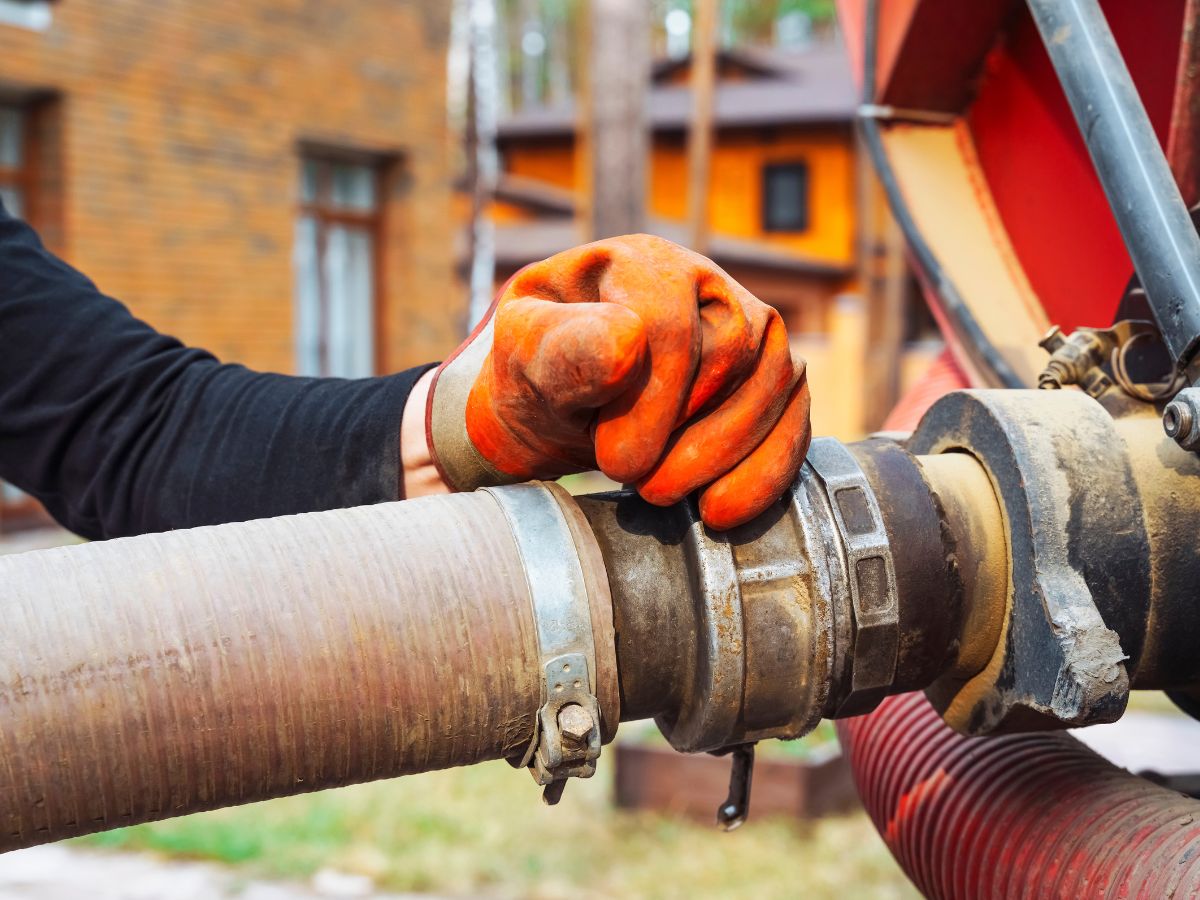
Keeping your RV waste system in good condition comes down to consistency. Regular care supports better performance and helps you avoid the kinds of problems that can interrupt a trip.
RV pumping plays a central role in this process, but it works best when paired with simple maintenance habits that keep the system balanced over time.
Instead of waiting for issues to appear, a steady routine allows you to manage buildup, reduce strain on the tank, and keep everything running as expected. This approach not only protects the system but also makes day-to-day use more predictable.
Routine Camper Septic Maintenance Tips For Homeowners
A few ongoing habits can make a noticeable difference in how your system performs. These practices are easy to maintain and support the effectiveness of RV pumping over the long term.
- Schedule routine inspections at least once a year to check for early signs of wear or blockage
- Dispose of waste properly by avoiding materials that do not break down easily
- Use enzyme-based treatments when needed to help break down organic waste inside the tank
Each of these steps works together to reduce buildup and improve flow. Inspections help you catch issues before they develop, while proper waste habits prevent unnecessary strain on the system. Enzyme treatments can also support the natural breakdown process, making RV pumping more effective when it is time to service the tank.
Keeping these habits in place helps maintain a cleaner system between service intervals and reduces the likelihood of unexpected problems.
Preventative Measures To Avoid Waste Tank Failures
Preventing system failure often comes down to awareness and timing. Paying attention to how your RV is used allows you to adjust your maintenance routine before issues develop.
Monitoring tank levels is one of the simplest ways to stay ahead of problems. When tanks are allowed to overfill, pressure and buildup increase, which can lead to clogs or backups. Regular RV pumping helps prevent this, but keeping an eye on levels adds an extra layer of control.
It is also helpful to make sure that anyone using the RV understands how the system works. Clear expectations about what should and should not be flushed can prevent materials from entering the tank that may cause blockages. Even small changes in usage habits can improve how the system performs over time.
Sticking to a consistent RV pumping schedule is another key factor. When pumping is delayed, waste can settle and harden, making it more difficult to remove. This increases the risk of long-term damage and reduces overall efficiency.
How Maintenance And RV Pumping Work Together
RV pumping is most effective when it is part of a larger maintenance routine. Pumping removes waste, but regular care helps control how quickly that waste builds up again. Together, these practices create a system that stays cleaner and performs more reliably.
When maintenance is handled consistently, the system experiences less stress. This can extend the life of the tank and reduce the need for more involved repairs. It also helps maintain proper flow, which keeps sinks, toilets, and drains working as expected.
Building A Reliable Long-Term Routine
A practical routine is built on observation and consistency. Start with a regular RV pumping schedule, then support it with simple maintenance habits that match how often you use your RV. Over time, this creates a predictable pattern that keeps your system in good condition.
By combining regular RV pumping with thoughtful maintenance, you can reduce the risk of unexpected issues and keep your waste system working smoothly. This balanced approach helps protect your investment and makes every trip more comfortable and manageable.
Implementing these preventative measures can significantly reduce the risk of system failures.
Ensuring Environmentally Safe RV Waste Disposal Practices
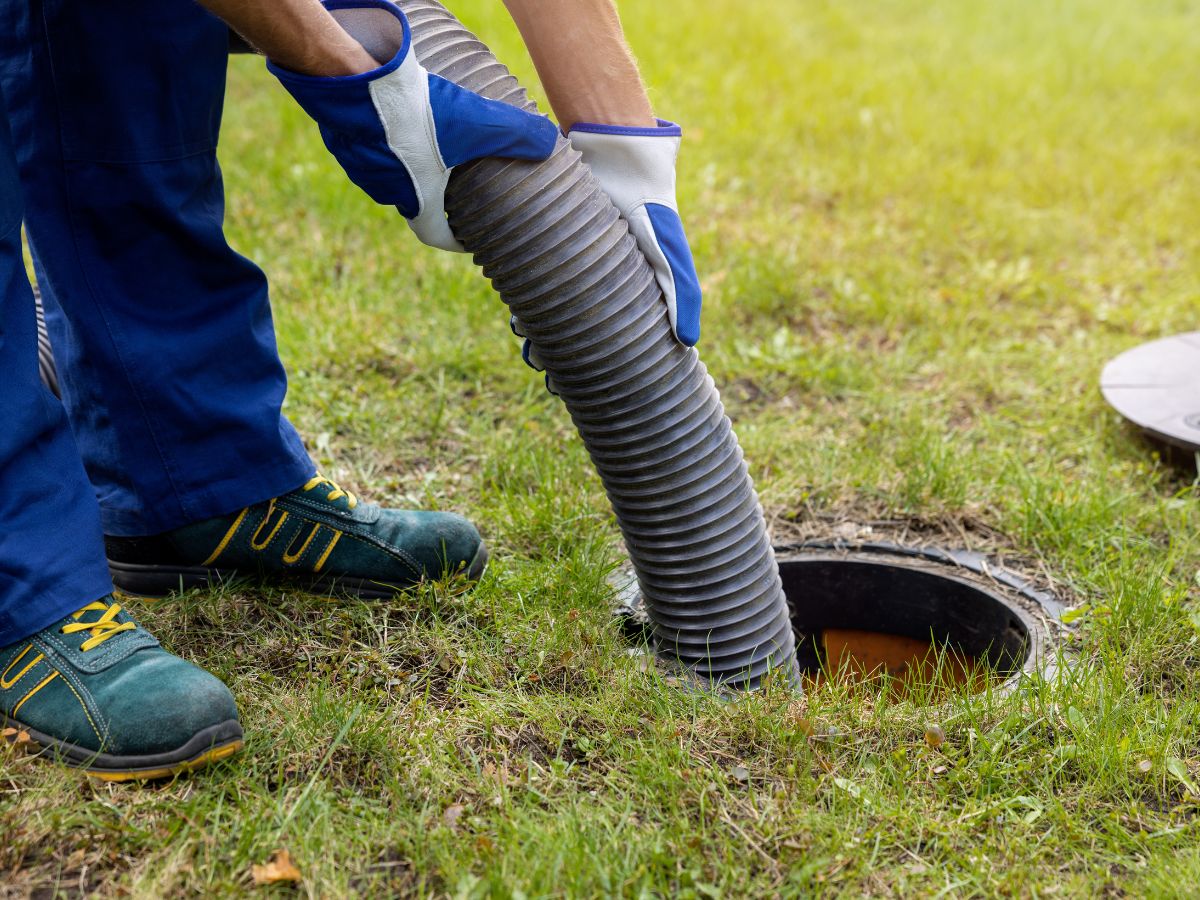
Proper RV pumping is not only about keeping your system clean but also about handling waste in a way that protects the environment.
Waste from RV tanks must be managed carefully to avoid contamination of soil and water sources. Because of this, disposal services are expected to follow clear regulations that guide how waste is collected, transported, and processed.
Understanding how these rules work helps RV owners see why professional RV pumping services follow specific procedures. These standards are in place to reduce environmental impact and maintain public health, especially in areas where wastewater handling is closely monitored.
Legal Requirements For Safe Camper Waste Disposal
Waste disposal regulations focus on where and how RV waste is handled after it leaves the tank. Approved dump stations and treatment facilities are required because they are designed to process wastewater safely.
When RV pumping is done properly, the waste is transported to these facilities instead of being released into the environment.
Service providers are also expected to operate under the correct permits and licenses. These requirements ensure that companies handling RV pumping meet safety and environmental standards. In many regions, providers must also document how waste is managed, which adds a layer of accountability to the process.
These regulations may vary by location, but the overall goal remains the same. Waste should be handled in a controlled way that prevents pollution and protects surrounding communities.
How RV Pumping Services Maintain Compliance
Professional RV pumping services follow a structured process to stay within these guidelines. From the moment waste is removed from the tank, it is handled using equipment designed to prevent leaks or spills. Secure transport is just as important as proper disposal, since any mishandling during transit can lead to environmental damage.
In addition, trained technicians understand how to manage waste according to local rules. This includes knowing where to dispose of it and how to document the process when required. By following these steps, RV pumping services help ensure that waste is handled responsibly from start to finish.
This level of care is one reason many RV owners rely on professional services. It reduces the risk of mistakes and ensures that disposal is done in line with current standards.
Eco-Friendly Practices In RV Septic Tank Maintenance
Beyond meeting legal requirements, many RV pumping practices also support more sustainable waste management. Small changes in how systems are maintained can reduce the overall impact on the environment.
Using biodegradable products is one example. These products break down more easily and are less likely to interfere with treatment processes.
Water usage also plays a role. Conserving water helps limit the amount of waste generated, which in turn reduces the frequency of RV pumping and the strain on disposal systems.
Another important factor is choosing proper disposal methods. When waste is directed to facilities equipped to handle it, the impact on surrounding ecosystems is minimized. This supports long-term environmental health while keeping RV systems functioning properly.
Why Responsible RV Pumping Matters
Responsible RV pumping connects everyday maintenance with broader environmental care. While it may seem like a routine task, the way waste is handled has a direct effect on natural resources and community safety.
By following established regulations and adopting simple eco-friendly practices, RV owners can contribute to a more sustainable system. At the same time, they keep their own equipment in better condition and reduce the risk of problems during travel.
A balanced approach that combines proper RV pumping with responsible disposal habits ensures that both your system and the environment are protected over the long term.
What Are The Benefits Of Choosing Smart Septic Pros For Your RV Septic Needs?
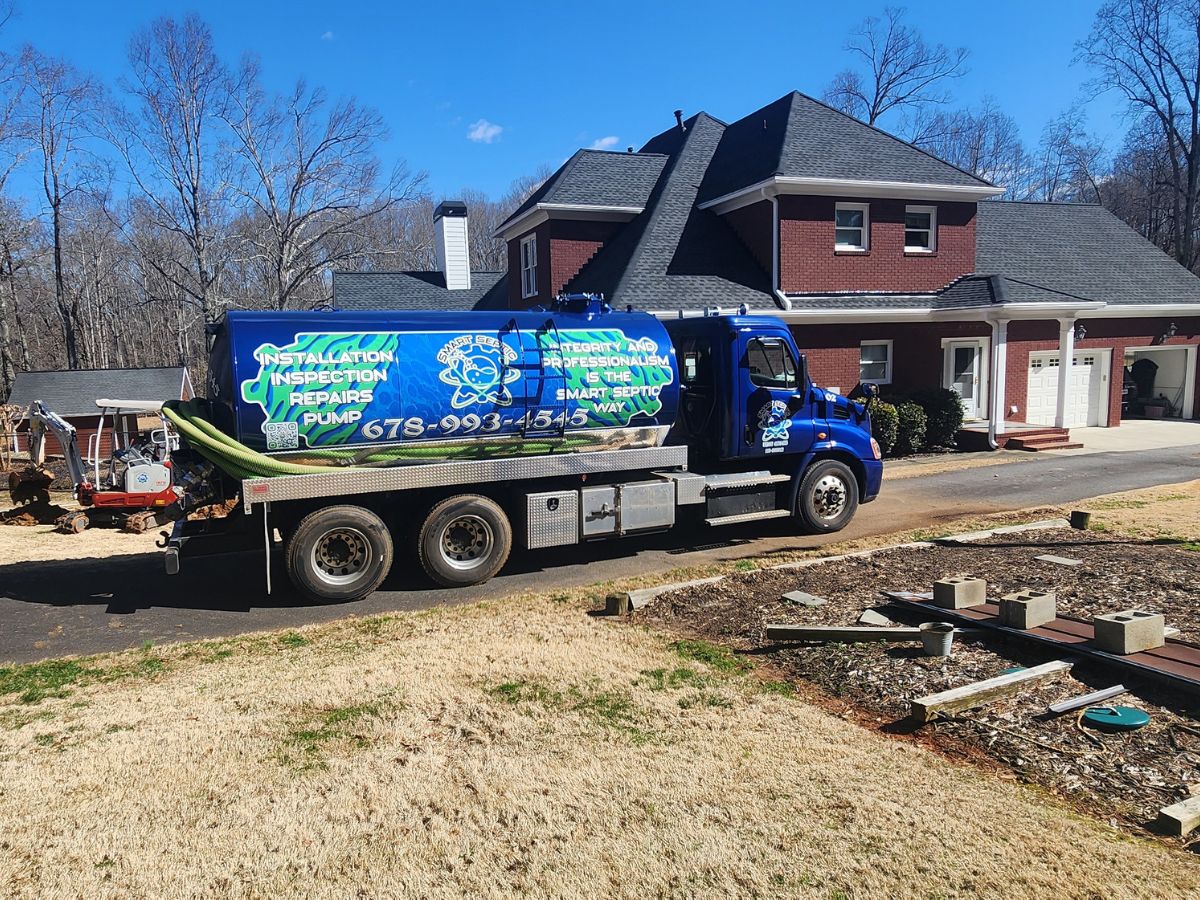
Choosing a reliable provider for RV pumping can make a noticeable difference in how well your system performs over time.
While many services offer basic waste removal, the quality of the work and the consistency of service are what set certain providers apart. Smart Septic Pros is often recognized for delivering dependable RV pumping with a focus on efficiency and proper handling.
When RV pumping is handled correctly, it reduces the chance of clogs, odors, and system strain. A provider with experience can identify potential issues early and help keep your waste system running smoothly. This kind of attention to detail supports both short-term comfort and long-term maintenance.
Expertise And Reliability In Motorhome Waste Tank Pumping
Experience plays a key role in effective RV pumping. Smart Septic Pros has built a reputation around handling different types of motorhome waste systems with a consistent approach. Their team understands how variations in tank size, usage, and system design can affect the pumping process.
Reliable RV pumping is not just about removing waste. It also involves making sure the system is left in a condition that supports continued use. Technicians who are familiar with these systems can work more efficiently and reduce the likelihood of missed buildup or incomplete cleaning.
Consistency is another important factor. When service is delivered the same way each time, it becomes easier for RV owners to plan maintenance and avoid unexpected issues. This reliability helps create a smoother experience, especially for those who rely on their RV regularly.
What Sets A Professional RV Pumping Service Apart
Not all RV pumping services operate at the same level. A professional provider tends to focus on both process and outcome. This includes using appropriate equipment, following proper waste handling practices, and ensuring that the system is fully cleared before the job is complete.
Attention to detail is what often separates a routine service from a more thorough one. When RV pumping is done carefully, it helps reduce long-term buildup and keeps the system functioning more efficiently. It also supports better sanitation, which is important for overall comfort while using the RV.
Clear communication is another advantage. A provider that explains the process and answers questions can make the experience easier to manage. This helps RV owners understand when service is needed and what to expect during each visit.
How To Plan Your RV Pumping Schedule
Setting up a regular RV pumping schedule is one of the simplest ways to maintain your system. The exact timing will depend on how often the RV is used and how quickly the tanks fill. Working with a consistent provider can make it easier to track these patterns and adjust as needed.
Planning ahead helps prevent last-minute issues. Scheduling RV pumping before or after longer trips can keep your system in good condition and reduce the risk of problems while traveling. Over time, this creates a routine that feels predictable and easy to manage.
Why Choosing The Right Provider Matters
The quality of RV pumping has a direct impact on how your system performs. Choosing a provider that focuses on reliability and proper technique helps protect your equipment and reduces the likelihood of costly repairs.
Smart Septic Pros is often noted for combining practical experience with consistent service. While the process itself may seem straightforward, having the right team handle RV pumping can make maintenance feel less complicated and more dependable.
By selecting a provider that values both efficiency and attention to detail, RV owners can keep their waste systems working properly and avoid unnecessary disruptions during travel.
Conclusion
Proper RV waste tank management and routine septic system maintenance are essential for preventing unpleasant odors, costly backups, and environmental hazards.
By following best practices, you can extend the life of your system and enjoy worry-free travel or homeownership. For professional septic and RV waste services backed by expertise and reliability, trust Smart Septic Pros.
Ready to keep your system running smoothly? Call 678-993-4545 or use our contact form today to schedule your septic pumping service. Let our experienced team help you maintain a clean, efficient, and hassle-free waste management system.