For decades, septic systems have operated quietly underground with relatively simple designs. Today, however, new technologies are transforming septic systems into smarter, more efficient wastewater solutions. Modern advancements are improving how systems monitor performance, treat waste, and protect surrounding soil and groundwater.
Innovations such as advanced filtration, aerobic treatment units, and digital monitoring tools allow homeowners and professionals to detect problems earlier and manage systems more effectively. These improvements can extend system lifespan, reduce environmental impact, and support more reliable wastewater treatment.
As technology continues to evolve, septic systems are becoming easier to maintain and better equipped to meet the needs of modern households. Understanding these emerging developments helps homeowners see how updated systems can provide both convenience and long-term reliability.
New Technologies Helping Septic Systems Work Better
Advancing Septic System Efficiency Through Modern Technology
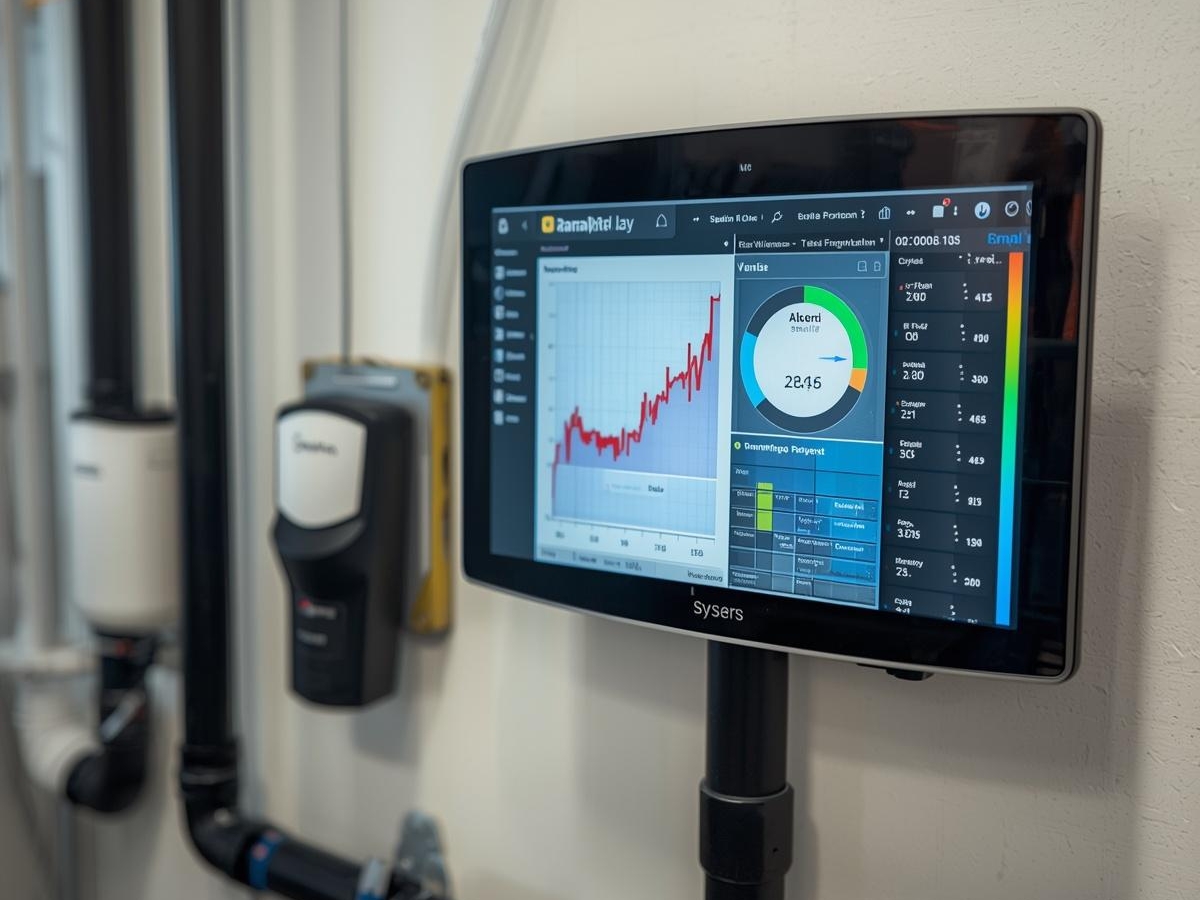
Wastewater management has become increasingly important as communities grow and environmental standards continue to evolve.
Septic systems remain a common solution for properties that are not connected to municipal sewer systems, but modern systems often rely on new technologies to improve reliability and efficiency. These innovations help manage wastewater more effectively while reducing environmental risks.
Modern septic systems now incorporate monitoring tools, automated controls, and improved treatment processes. Together, these advancements support better system performance and help identify problems before they develop into costly failures.
By combining engineering improvements with digital monitoring tools, new technologies are helping property owners maintain septic systems more effectively.
These advancements also support environmental protection. When wastewater systems function properly, the risk of contamination to soil and groundwater is greatly reduced. For homeowners and property managers, the integration of new technologies offers both practical and environmental benefits.
What Are Smart Septic Monitoring Systems?
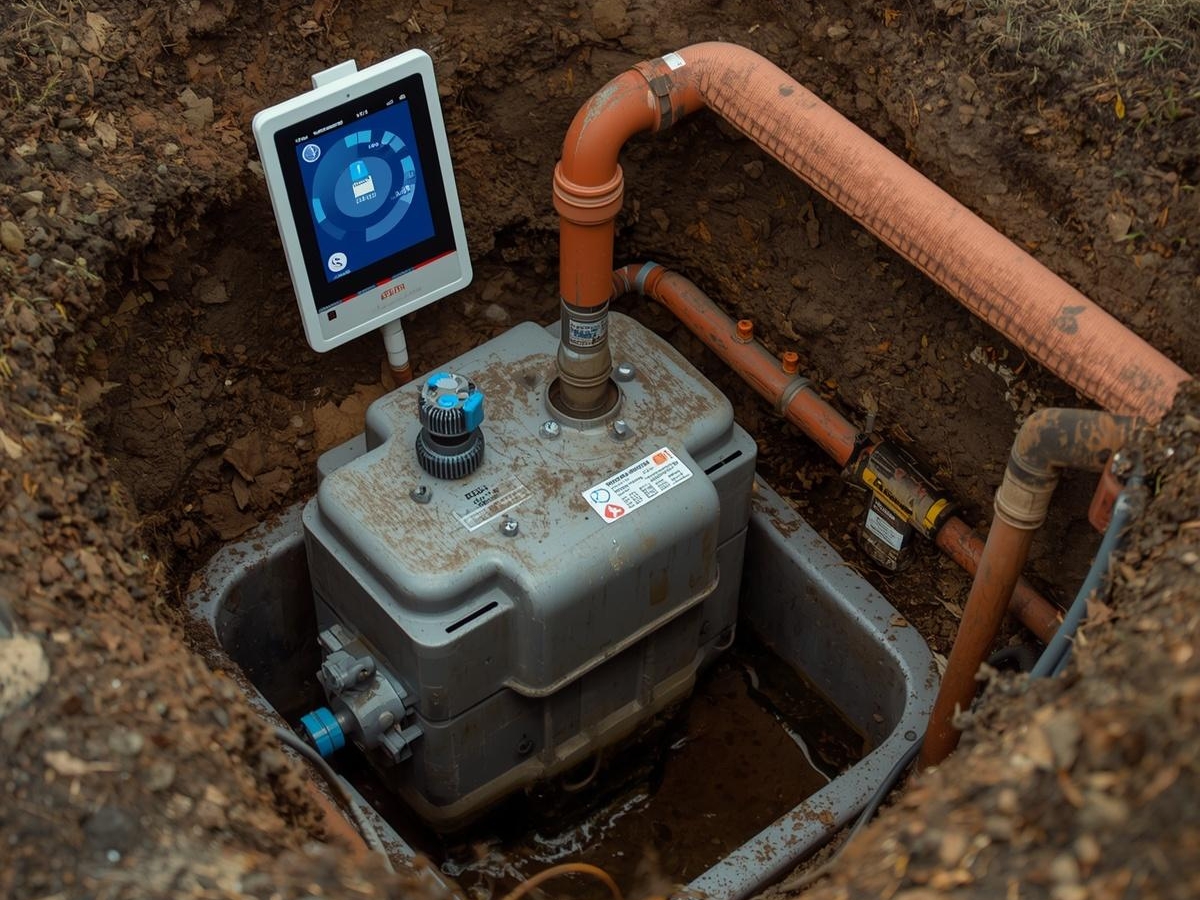
Smart septic monitoring systems represent one of the most useful developments in wastewater management. These systems use digital sensors and monitoring tools to track the condition of septic tanks and related components. By collecting data about system activity, they provide insight into how the system is performing over time.
Monitoring systems typically measure factors such as liquid levels, flow patterns, and system pressure. The data collected can help identify unusual changes that may signal developing problems. Instead of waiting for visible signs of failure, property owners can address issues earlier.
Some systems also provide alerts when maintenance may be required. For example, sensors may indicate that a tank is nearing capacity or that flow rates have changed. These early warnings allow maintenance to be scheduled before the system becomes overloaded.
Research examining automated septic monitoring has explored how artificial intelligence and digital tracking can help identify system issues before they cause significant damage. These monitoring tools represent one of the most practical examples of how new technologies are being applied to wastewater management.
How Septic System Sensors Detect Potential Failures
Sensors are a key component of modern septic monitoring systems. These devices collect real-time data about the system’s operation, allowing technicians or property owners to identify potential problems quickly.
Common monitoring points within septic systems include:
- Liquid level sensors that track how full the tank becomes
- Flow sensors that measure how wastewater moves through the system
- Pressure sensors that detect unusual changes in system performance
When these sensors identify changes outside normal operating conditions, they signal that maintenance may be needed. A sudden increase in tank levels, for example, could indicate a blockage or reduced drainage capacity.
This early detection helps prevent serious system failures. If wastewater systems become overloaded or blocked, untreated waste may escape into the surrounding soil. Sensors reduce this risk by identifying problems before they reach that stage.
The use of digital sensors demonstrates how new technologies are improving system reliability while protecting the surrounding environment.
Remote Septic System Automation And Monitoring
Remote monitoring is another advancement that has improved wastewater system management. With remote monitoring tools, septic systems can be observed from a distance through connected devices or digital dashboards.
These systems allow property owners or service providers to check system performance without needing to inspect the tank directly. Monitoring platforms may display information such as tank levels, pump activity, or warning alerts. This visibility helps ensure that potential problems are addressed quickly.
Automation features can also improve maintenance scheduling. Instead of relying on fixed inspection intervals, maintenance can be scheduled based on actual system activity. Systems that experience heavier use may require more frequent service, while others may operate efficiently for longer periods.
Energy efficiency can also benefit from automated controls. Some automated systems adjust pump cycles or flow distribution based on system conditions, helping reduce unnecessary energy use.
Why Modern Septic Systems Continue To Evolve
As wastewater management needs continue to grow, septic system design has also progressed. Improvements in monitoring tools, automation systems, and treatment processes have created more reliable and environmentally responsible systems.
New technologies have played an important role in this progress. Digital sensors, remote monitoring platforms, and intelligent control systems allow septic systems to function more efficiently than traditional designs.
For property owners, these innovations offer greater peace of mind. Systems that are monitored and maintained effectively are less likely to fail, which helps protect both property and surrounding ecosystems.
The continued development of new technologies will likely shape the future of wastewater management. As monitoring tools become more sophisticated and treatment methods improve, septic systems will continue to evolve into more reliable and environmentally conscious solutions.
Which Innovative Treatment Technologies Enhance Septic System Performance?

Septic systems have improved significantly over the past several decades. As environmental standards become stricter and property development expands into new areas, wastewater systems must operate more efficiently than ever before. In response to these demands, engineers and environmental specialists have developed new technologies that improve how septic systems treat wastewater.
Modern treatment systems focus on improving the quality of effluent released into the environment. Effluent is the treated liquid that exits the septic system and enters the soil absorption field. When treatment processes function properly, this water contains fewer contaminants and poses less risk to groundwater and surrounding ecosystems.
Many of the most effective improvements involve biological treatment systems, advanced filtration methods, and oxygen-based treatment processes. These approaches represent some of the most practical examples of how new technologies are improving septic system performance while helping property owners meet environmental requirements.
How Advanced Wastewater Treatment Improves Environmental Protection
Advanced wastewater treatment methods are designed to remove a greater portion of contaminants before water leaves the septic system. These systems focus on reducing organic waste, pathogens, and excess nutrients that may affect nearby water sources.
Traditional septic systems rely mainly on natural settling and bacterial activity inside the tank and soil field. While these systems remain effective in many situations, modern treatment designs often provide additional layers of treatment. The introduction of new technologies allows wastewater to be processed more thoroughly before it enters the surrounding soil.
One example is the use of aerobic treatment units. These systems introduce oxygen into the treatment chamber, which encourages the growth of beneficial bacteria. Oxygen-rich environments help these microorganisms break down organic material more efficiently than traditional systems.
Cleaner effluent helps reduce environmental impact. When fewer contaminants enter the soil, the risk of groundwater pollution decreases. This benefit is particularly important in areas where septic systems operate close to drinking water sources.
Addressing Nutrient Pollution With Modern Treatment Systems
In some regions, wastewater treatment systems must address nutrient pollution, particularly nitrogen. Excess nitrogen entering groundwater or coastal waters can contribute to environmental problems such as algae growth and reduced water quality.
To address this challenge, certain advanced systems are designed specifically to remove nitrogen before wastewater leaves the treatment system. These systems use specialized biological processes that convert nitrogen compounds into forms that can be safely released into the atmosphere or removed from the water.
Monitoring systems are often integrated with these treatment units to track how well the system performs over time. This combination of treatment technology and digital monitoring represents another example of how new technologies are helping wastewater systems operate more responsibly.
Biological Treatment Systems Used In Modern Septic Designs
Biological treatment processes remain central to most wastewater treatment systems. Modern septic designs often combine several biological methods to improve treatment efficiency and reliability.
Two commonly used approaches are aerobic and anaerobic treatment systems. Each relies on natural microbial activity, but they operate under different conditions.
Aerobic systems introduce oxygen into the treatment chamber. The presence of oxygen allows aerobic bacteria to break down organic waste more quickly. Because these microorganisms work efficiently in oxygen-rich environments, aerobic treatment systems can produce cleaner effluent than many conventional systems.
Anaerobic treatment systems function without oxygen. These systems rely on microorganisms that thrive in oxygen-free environments. Anaerobic processes are commonly used in traditional septic tanks, where waste settles and begins to decompose naturally.
Modern septic designs sometimes combine both treatment methods. By allowing wastewater to pass through multiple stages of biological processing, these systems improve the overall quality of treated water.
How New Technologies Are Changing Wastewater Management
The development of improved treatment methods continues to reshape wastewater management. Engineers are combining biological processes with digital monitoring tools, automated controls, and advanced filtration systems to create more reliable treatment solutions.
These improvements reflect a broader trend toward smarter infrastructure. With the help of new technologies, wastewater systems can be monitored more accurately, maintained more efficiently, and adapted to meet changing environmental standards.
For homeowners and property managers, these advancements offer practical benefits. Systems designed with modern treatment technology often require fewer emergency repairs and provide greater environmental protection.
As wastewater treatment continues to evolve, new technologies will likely play an even larger role in ensuring that septic systems remain effective, reliable, and environmentally responsible.
How Does Septic Tank Pumping And Maintenance Support System Longevity?
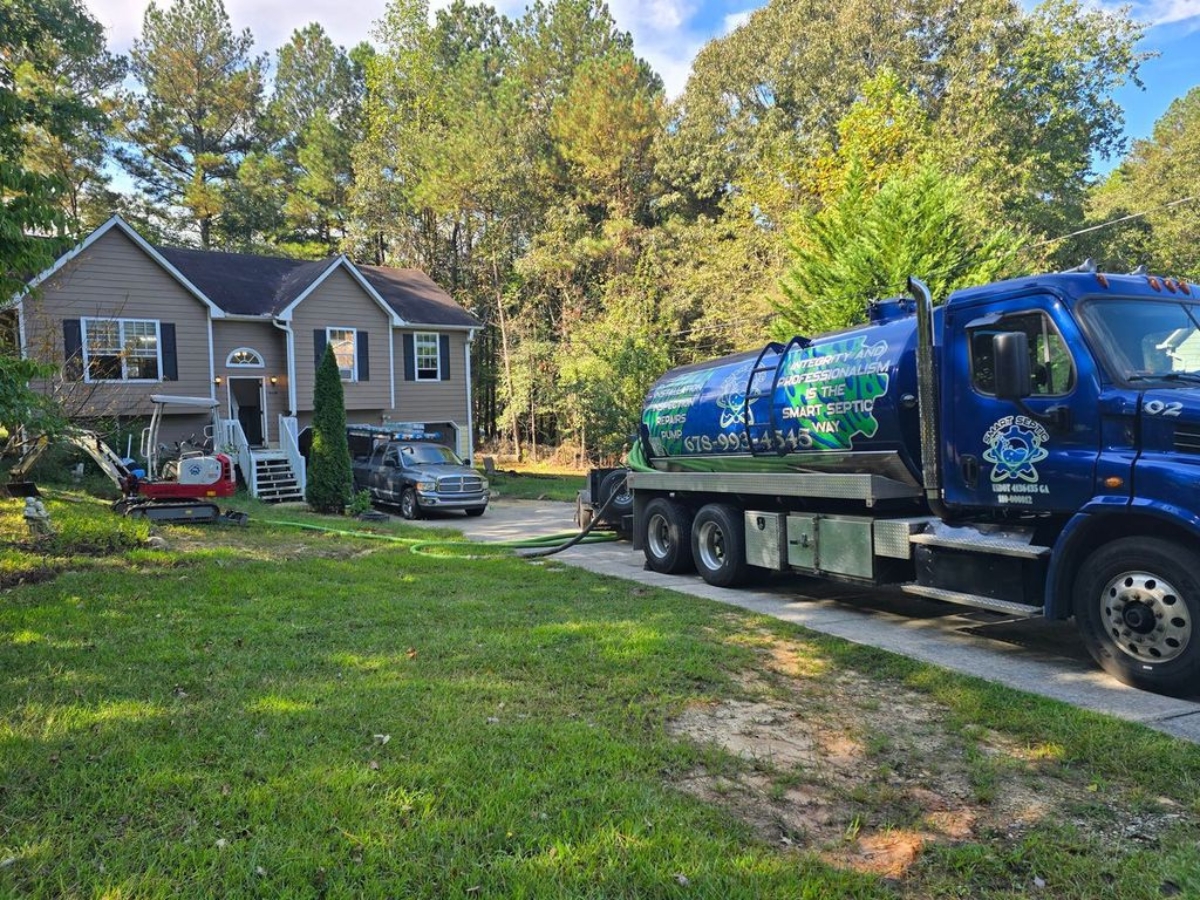
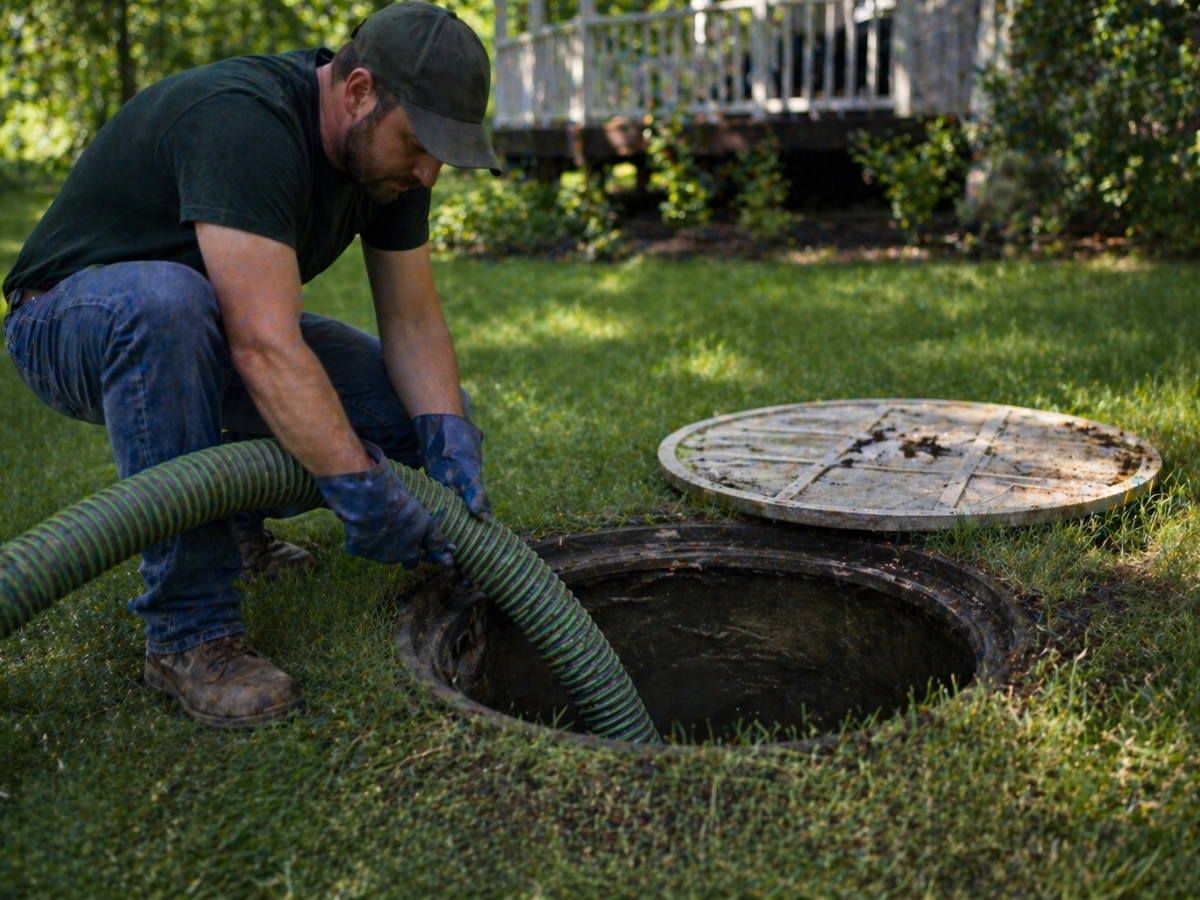
Septic systems rely on consistent care to function properly over time. While modern systems may incorporate new technologies that improve monitoring and treatment efficiency, routine pumping and maintenance still play a critical role in keeping these systems operating effectively. Without regular service, solids can accumulate in the tank and interfere with the natural treatment process.
Inside a septic tank, wastewater separates into layers. Heavy solids settle at the bottom to form sludge, while lighter materials rise to the top as scum. The liquid layer in the middle flows toward the drain field, where additional filtration takes place in the soil. When sludge and scum accumulate beyond normal levels, they can block this process and place stress on the entire system.
Routine pumping removes excess solids before they reach a level that interferes with wastewater flow. This basic maintenance step helps preserve the structure of the system and prevents unnecessary strain on components such as pipes, pumps, and the drain field.
Although new technologies have improved how septic systems are monitored and managed, these systems still depend on regular pumping schedules to maintain long-term performance.
Why Regular Septic Tank Pumping Protects System Health
Regular pumping prevents solids from moving beyond the tank and entering the drain field. When too much sludge accumulates, wastewater may carry these solids into the soil absorption area. Once this occurs, the drain field can become clogged and lose its ability to filter water effectively.
Drain field failures are among the most expensive septic system problems to repair. Soil that becomes saturated with solid waste often requires extensive restoration or replacement. Preventing this situation is one of the primary reasons regular pumping remains essential.
Many wastewater professionals recommend pumping septic tanks every few years, depending on system size, household usage, and tank capacity. Systems that follow consistent pumping schedules often experience fewer operational issues and maintain reliable performance over time.
Even as new technologies introduce improved treatment systems and digital monitoring tools, the physical removal of accumulated solids remains one of the most effective ways to preserve system health.
The Role Of Maintenance In Early Problem Detection
Routine maintenance inspections also provide opportunities to identify small problems before they become serious. During pumping or inspection visits, technicians can observe the condition of the tank, pipes, and other system components.
Maintenance checks often evaluate factors such as:
- The level of sludge and scum within the tank
- The condition of baffles and internal structures
- Signs of unusual water flow or blockage
These inspections help identify developing issues that may not be visible from the surface. Cracks in the tank, damaged pipes, or excessive water flow can often be detected during routine maintenance.
When problems are identified early, repairs are typically simpler and less expensive. This preventive approach helps extend the lifespan of the system while reducing the likelihood of emergency repairs.
How Water Use And Household Habits Affect Septic Systems
Daily household habits can also influence septic system performance. Excessive water use can overload the tank and reduce the time wastewater spends in the treatment chamber. When wastewater moves too quickly through the system, solids may not separate properly.
Limiting water waste helps maintain stable system conditions. Spacing out activities that require large volumes of water can reduce strain on the septic tank and drain field.
Proper disposal practices also play an important role. Non-biodegradable materials, grease, and chemical cleaners can disrupt the natural biological processes inside the tank. These materials may accumulate in the system and interfere with wastewater treatment.
Responsible water use and disposal habits support both traditional maintenance practices and the advanced capabilities provided by new technologies.
How Modern Monitoring Systems Support Maintenance
In recent years, monitoring tools have become more common in septic system management. Sensors and digital monitoring platforms allow property owners and service providers to track system conditions more closely. These tools represent some of the most practical examples of how new technologies are improving wastewater management.
Monitoring systems may track liquid levels, pump activity, and system performance over time. If unusual patterns appear, the system can alert property owners or maintenance professionals. This early warning allows maintenance to be scheduled before significant problems develop.
While these systems do not replace routine pumping, they help ensure that maintenance occurs at the appropriate time. Combined with regular inspections and responsible water use, these monitoring tools help septic systems operate more efficiently.
By combining consistent maintenance practices with the benefits of new technologies, property owners can significantly extend the life of their septic systems while protecting surrounding soil and groundwater.
What Are The Environmental And Efficiency Benefits Of Advanced Septic Solutions?

Wastewater treatment is an important part of protecting soil, groundwater, and surrounding ecosystems. As environmental standards continue to evolve, septic systems have also improved through the introduction of new technologies. These advancements help systems treat wastewater more effectively while reducing the risk of contamination.
Traditional septic systems rely mainly on natural settling and biological processes within the tank and drain field. While these systems can function well when maintained properly, newer systems often add additional layers of treatment and monitoring. These improvements allow wastewater to be processed more efficiently before it enters the surrounding soil.
Advanced septic solutions often combine improved treatment systems with digital monitoring tools. Together, these new technologies help detect problems early, maintain system balance, and improve the quality of treated wastewater. By doing so, they support environmental protection while also improving system reliability for property owners.
How Smart Septic Technologies Reduce Environmental Impact
Smart septic technologies are designed to monitor system performance and detect potential issues before they lead to environmental damage. These systems often rely on sensors and digital monitoring tools that track tank levels, water flow, and pump activity. By collecting this information, the system can alert property owners when unusual patterns appear.
When septic systems fail or overflow, untreated wastewater can enter the surrounding soil or nearby water sources. This contamination may introduce harmful bacteria or excess nutrients into the environment. Monitoring tools help prevent this situation by identifying issues early.
Several monitoring features are commonly used in modern systems:
- Liquid level sensors that track the amount of wastewater inside the tank
- Flow monitoring devices that detect unusual water movement
- Alert systems that notify owners or technicians when maintenance may be required
By identifying potential problems sooner, these systems allow maintenance to be scheduled before failures occur. This preventive approach helps protect groundwater while reducing the likelihood of emergency repairs.
Another benefit of new technologies in septic management is the ability to track system performance over time. Monitoring platforms may store historical data, allowing technicians to review how the system operates under different conditions. This information can help guide maintenance decisions and improve long-term reliability.
Improving Wastewater Treatment Efficiency
Advanced treatment technologies also improve how septic systems process wastewater. Modern treatment units often include additional filtration steps or biological treatment stages that reduce contaminants more effectively.
Aerobic treatment units are one example of these improvements. These systems introduce oxygen into the treatment chamber, encouraging the growth of microorganisms that break down organic waste. Because aerobic bacteria process waste efficiently, the resulting effluent is typically cleaner than water treated through conventional systems alone.
Improved treatment efficiency helps reduce the amount of pollutants released into the soil. This contributes to healthier groundwater conditions and protects nearby ecosystems.
How Automation Improves Septic System Efficiency
Automation has become another important feature in modern wastewater management. Automated systems use sensors and digital controls to manage how the septic system operates. Instead of relying entirely on manual inspections, automated systems monitor conditions continuously.
Automation may influence several parts of the system, including:
- Pump cycles that move wastewater between treatment stages
- Monitoring systems that detect changes in tank levels
- Alerts that indicate when maintenance should be performed
These automated adjustments help maintain stable operating conditions. Pumps may activate only when necessary, which reduces unnecessary energy use. Over time, this can help extend the lifespan of mechanical components.
Automation also supports more efficient maintenance planning. Instead of scheduling service at fixed intervals, maintenance can be based on actual system activity. Systems that receive heavy use can be serviced sooner, while those with lighter use may require less frequent attention.
The Growing Role Of New Technologies In Wastewater Management
As environmental concerns continue to grow, wastewater systems must operate more efficiently and reliably. The introduction of new technologies has allowed septic systems to evolve beyond traditional designs. Monitoring tools, automated controls, and advanced treatment processes now work together to improve system performance.
These improvements benefit both property owners and the environment. Systems that operate efficiently are less likely to fail and require fewer emergency repairs. At the same time, improved treatment methods help reduce pollution and protect natural resources.
New technologies will likely continue shaping the future of wastewater management. As monitoring tools become more advanced and treatment systems continue to improve, septic systems will play an even greater role in supporting sustainable water management practices.
How Can Homeowners And Property Managers Integrate Smart Septic Technologies?
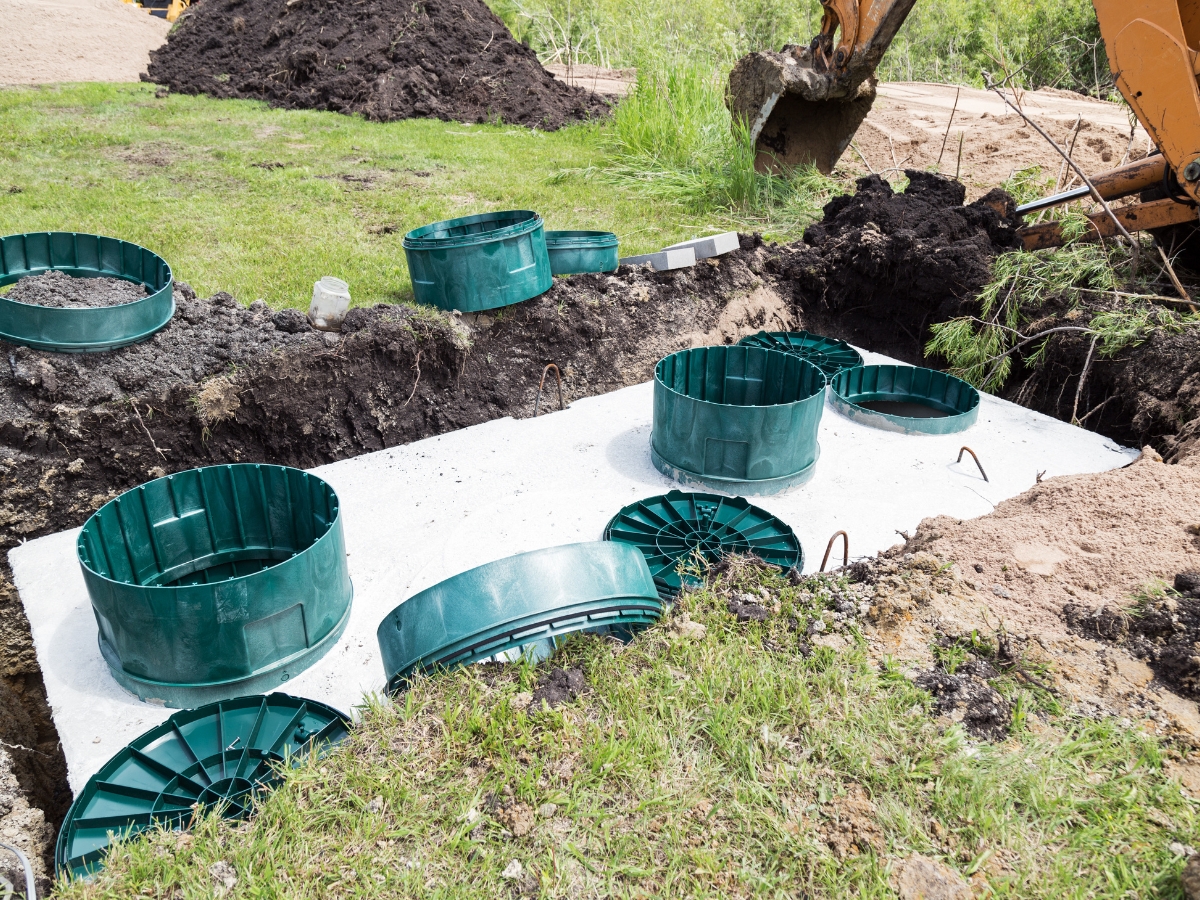
Modern wastewater systems are becoming more reliable and efficient as digital monitoring tools and automation systems continue to evolve.
For homeowners and property managers, integrating these improvements can help septic systems operate more effectively while reducing the risk of unexpected failures. Many of these upgrades rely on new technologies that improve how septic systems are monitored, maintained, and managed.
Smart septic systems combine traditional wastewater treatment methods with monitoring sensors and automated controls. These systems track performance conditions such as tank levels, water flow, and pump activity. By gathering and analyzing this information, the system can identify potential issues before they become serious problems.
Integrating these features does not always require replacing the entire septic system. In many cases, monitoring devices and digital controls can be added to existing systems. This makes the transition to new technologies more practical for many property owners.
Evaluating Existing Septic Systems Before Upgrading
Before installing smart monitoring tools or automated components, it is important to understand the condition of the current septic system. A professional inspection typically helps determine whether the system is functioning properly and whether upgrades can be integrated effectively.
During an evaluation, technicians often review several aspects of the system:
- The condition of the septic tank and internal components
- The performance of pumps and distribution systems
- The overall capacity of the system based on property usage
These assessments help determine which improvements will provide the greatest benefit. Some properties may benefit primarily from monitoring tools, while others may require additional upgrades to improve treatment performance.
Evaluating the system first ensures that any new technologies added to the system work effectively with the existing infrastructure.
Steps Involved In Upgrading To A Smart Septic System
Once the system evaluation is complete, the process of upgrading to a smart septic system typically follows several practical steps. Careful planning helps ensure that the new equipment operates safely and complies with local regulations.
The upgrade process often includes the following stages:
- Consultation with wastewater professionals to review system needs
- Designing a monitoring or automation plan suited to the property
- Completing required permits and regulatory approvals
- Installing sensors, monitoring devices, or automated components
Permitting requirements may vary depending on location, but most jurisdictions require approval before major modifications are made to wastewater systems. Ensuring compliance helps protect both property owners and the surrounding environment.
After installation, technicians often provide guidance on how the monitoring system works and how alerts or maintenance notifications are delivered. This training helps property owners understand how the new technologies support system performance.
How IoT Technology Improves Septic System Monitoring
One of the most significant improvements in wastewater management comes from the integration of Internet-connected monitoring systems. These systems rely on IoT devices that gather real-time data about septic system conditions.
Sensors placed within the tank or connected to pumps and distribution systems measure key indicators such as liquid levels, flow activity, and equipment operation. The collected data is then transmitted to monitoring platforms that can be accessed remotely.
Several monitoring functions are commonly included in IoT-based systems:
- Real-time tracking of septic tank levels
- Alerts when unusual water flow or system pressure occurs
- Notifications when maintenance may be required
These capabilities allow property owners to monitor system performance without physically inspecting the tank. When conditions change or potential issues develop, the system can send alerts so maintenance can be scheduled promptly.
Research exploring wastewater monitoring systems has shown that IoT-based monitoring tools can improve system oversight and provide better visibility into how treatment systems perform. These developments illustrate how new technologies are expanding the capabilities of traditional septic systems.
Long-Term Benefits Of Smart Septic Monitoring
Integrating digital monitoring tools into wastewater systems offers several practical advantages. Systems equipped with monitoring sensors often experience fewer unexpected failures because problems can be detected earlier.
Monitoring also supports more efficient maintenance planning. Instead of relying on fixed inspection schedules, property owners can respond to actual system conditions. This approach allows service visits to occur when they are truly needed.
Over time, these improvements help extend the lifespan of septic systems and reduce repair costs. They also contribute to environmental protection by ensuring that wastewater treatment systems operate consistently and safely.
As wastewater management continues to evolve, new technologies will likely play an increasing role in how septic systems are maintained and monitored. For property owners, integrating these tools offers a practical way to improve reliability while supporting responsible wastewater treatment practices.
Conclusion
From advanced treatment technologies like electrohydromodulation (EHM) that recover nutrients while treating waste, to IoT-enabled monitoring systems that detect hazardous gas levels in real time, new innovations are transforming how septic systems perform and protect both homes and the environment.
These smart solutions offer homeowners unprecedented control, early warning of potential failures, and more sustainable wastewater management. For expert guidance on integrating modern technologies into your septic system or for reliable emergency preparedness, trust the professionals at Smart Septic Pros.
Ready to bring your septic system into the future with confidence? Call 678-993-4545 or use our contact form today to schedule a consultation and ensure your home is protected with the latest advancements.