Frequently Asked Questions
Are Alpharetta septic inspections required before selling a property?
Septic inspections are not legally required in Alpharetta when selling a property; however, they are highly recommended to ensure the system's functionality and avoid potential issues that could arise during the sale process.
How often should I inspect my septic tank in Alpharetta?
Regular septic tank inspections are essential, and it is generally recommended to have your septic tank inspected every 1 to 3 years in Alpharetta, depending on usage and system type.
What are the costs of Alpharetta septic inspections and maintenance?
The costs of septic inspections and maintenance in Alpharetta can vary based on factors such as system type and service complexity. Generally, inspections range from $300 to $500, while regular maintenance may add additional costs.
What is included in a septic tank inspection report in Alpharetta?
A septic tank inspection report in Alpharetta includes an evaluation of the tank's condition, assessment of the drainage field, identification of any blockages, and recommendations for maintenance or repairs to ensure system efficiency and compliance with local regulations.
What are the signs of a failing septic system in Alpharetta?
The signs of a failing septic system in Alpharetta include slow drains, foul odors near the tank, excessive water pooling in the yard, and lush vegetation above the drain field. Prompt action is essential to prevent further issues.
How do I find a licensed inspector in Alpharetta, GA?
Finding a licensed inspector in Alpharetta, GA, is straightforward. You can start by searching online directories, checking local listings, or visiting the Georgia Department of Public Health's website for certified professionals in septic inspections.
What is the average cost of septic tank inspections in Alpharetta?
The average cost of septic tank inspections in Alpharetta typically ranges from $200 to $500, depending on factors like tank size and accessibility. Regular inspections are essential for maintaining system efficiency and compliance with local regulations.
Are septic tank inspections required in Alpharetta?
Septic tank inspections are required in Alpharetta to ensure compliance with local regulations and to maintain the proper functioning of your septic system. Regular inspections help prevent costly repairs and protect public health.
How long does an Alpharetta septic inspection typically take?
The duration of an Alpharetta septic inspection typically ranges from 1 to 2 hours, depending on the system's complexity and any additional services requested.
What are the most common issues found during Alpharetta septic inspections?
The most common issues found during Alpharetta septic inspections include system backups, leaks, improper drainage, and damaged components. Identifying these problems early can prevent costly repairs and ensure the septic system operates efficiently.
What is included in a standard septic tank inspection in Alpharetta?
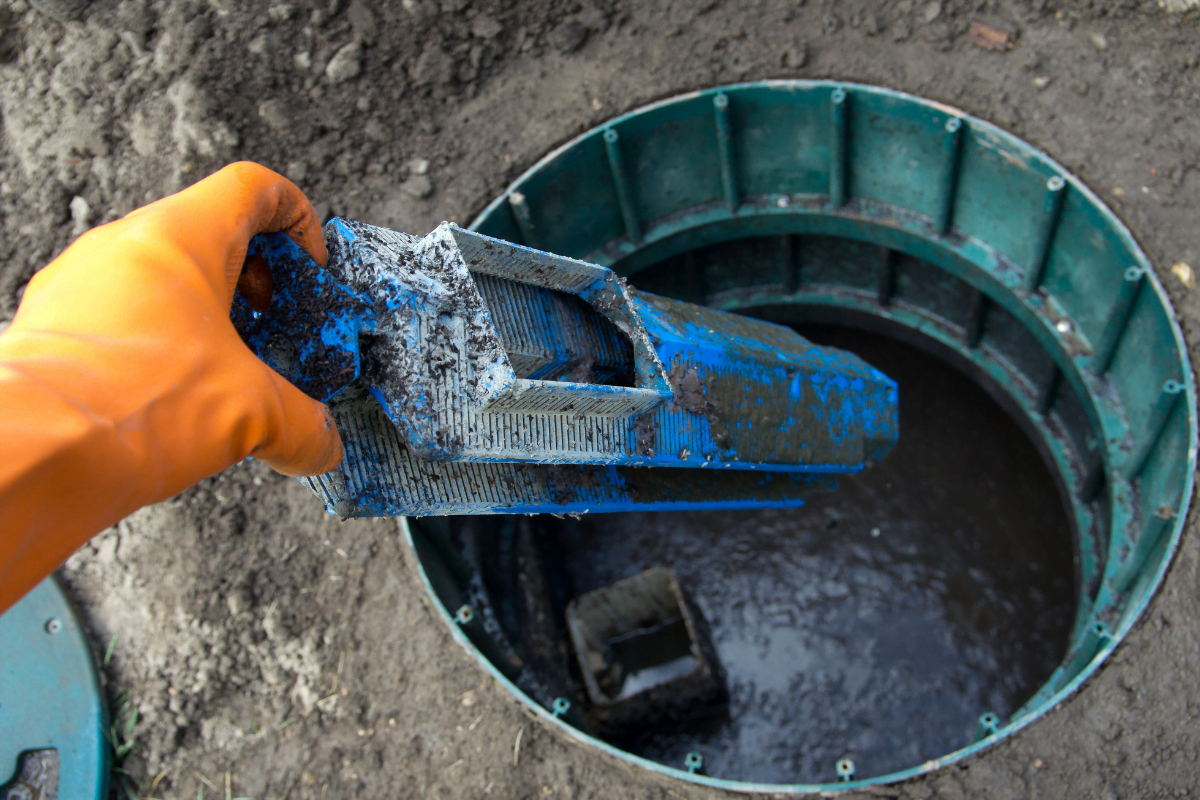
A standard septic tank inspection in Alpharetta includes a thorough examination of the tank's structure, checking for proper functionality, assessing baffles and filters, verifying the drain field, and ensuring compliance with local regulations.
How do I prepare for an Alpharetta septic inspection?
Preparing for an Alpharetta septic inspection involves ensuring easy access to your septic system, locating the tank and lids, and minimizing water usage the day before the inspection. This helps facilitate a thorough evaluation.
What permits are needed for septic inspections?
The permits needed for septic inspections typically include a septic system permit and may vary by local regulations. It’s essential to check with your county or city office for specific requirements in Alpharetta, GA.
How often should septic systems be inspected?
Septic systems should be inspected regularly to ensure proper functionality and compliance with regulations. Typically, inspections are recommended every 1 to 3 years, depending on usage and system type.
What credentials should a septic inspector have?
The credentials a septic inspector should have include state certification, relevant training in septic system maintenance, and experience in the field. These qualifications ensure they can accurately assess and advise on septic system conditions.
What damages can result from a failing septic system?
The damages that can result from a failing septic system include groundwater contamination, unpleasant odors, and potential property damage due to sewage backups or overflows, leading to costly repairs and health hazards.
How to choose a septic inspection service?
Choosing a septic inspection service involves evaluating their experience, certifications, and customer reviews. Look for licensed professionals who offer comprehensive inspections and prioritize customer satisfaction to ensure your septic system operates efficiently.
What regulations govern septic tank inspections?
The regulations governing septic tank inspections include both federal and state guidelines aimed at ensuring proper maintenance and environmental safety. In Alpharetta, GA, local ordinances dictate inspection frequency, procedures, and standards to protect public health and groundwater quality.
What symptoms indicate a septic tank issue?
Symptoms that indicate a septic tank issue include foul odors, slow draining sinks or toilets, standing water in the yard, and frequent backups. These signs suggest that your septic system may need immediate attention to prevent further complications.
How to interpret a septic inspection report?
Interpreting a septic inspection report involves understanding the condition of your system based on key indicators such as tank levels, drainage flow, and potential issues noted by the inspector. Focus on any recommendations for repair or regular maintenance.
What maintenance is required after inspections?
Maintenance required after inspections includes regular pumping of the septic tank every 3-5 years, monitoring system function, and keeping detailed records of service history to ensure optimal performance and compliance with local regulations.
Can I request a second opinion on inspections?
You can request a second opinion on inspections. At Smart Septic Pros, we understand the importance of confidence in inspection results and are here to provide you with the expertise and clarity you need.
What is the process for septic inspection complaints?
The process for septic inspection complaints involves contacting Smart Septic Pros directly. Customers can report any issues or concerns, and our team will investigate the matter thoroughly to ensure satisfactory resolution.
How to maintain a septic system effectively?
Maintaining a septic system effectively involves regular inspections, proper waste disposal practices, and ensuring adequate drainage. Always schedule professional inspections to identify potential issues early and keep your system functioning smoothly.
What are the most common septic inspection violations?
The most common septic inspection violations include improper system maintenance, lack of permits, failure to address leaks or backups, and inadequate separation distances from wells or structures. Regular inspections help identify these issues, ensuring compliance and system efficiency.
Is pumping necessary after every inspection?
Pumping is not necessary after every septic tank inspection. It is typically recommended only when the tank reaches about one-third full of solids or if issues are identified during the inspection that require immediate attention.
How long does septic system installation take?
The duration of septic system installation typically ranges from one to three days, depending on the complexity of the job and site conditions. Factors such as permitting and weather can also affect the timeline.
What should I do if my septic tank fails?
When your septic tank fails, it’s crucial to act quickly. First, stop using water to prevent further issues, then contact a professional septic service like Smart Septic Pros to assess the situation and recommend necessary repairs or interventions.
What advancements exist in septic inspection technology?
Advancements in septic inspection technology include the use of drone inspections for hard-to-reach areas, advanced video cameras that provide detailed assessments of tank conditions, and sensors that monitor system performance in real time, ensuring effective maintenance and compliance.
What questions should I ask my inspector?
When meeting with your inspector, ask about their experience, certification, inspection process, what specific areas they will evaluate, and how long the inspection typically takes. Additionally, inquire about potential costs and any follow-up services they provide.