Frequently Asked Questions
What are the benefits of regular septic system maintenance?
The benefits of regular septic system maintenance are significant. Routine checks help prevent costly repairs, extend the lifespan of your system, and ensure proper function, which ultimately protects groundwater and enhances your home’s overall hygiene and safety.
Are there 24-hour emergency septic services in Alpharetta?
24-hour emergency septic services are available in Alpharetta. Our dedicated team is ready to assist you with any urgent septic issues at any time, ensuring prompt and reliable solutions to restore your system's functionality.
What are the signs of a failing septic tank in Alpharetta?
The signs of a failing septic tank in Alpharetta include slow drainage, foul odors around the drain field, pooling water in the yard, and gurgling sounds in plumbing fixtures. Early detection is crucial to prevent costly repairs.
How much does septic tank pumping cost in Alpharetta?
The cost of septic tank pumping in Alpharetta typically ranges from $300 to $600, depending on factors such as tank size and necessary maintenance. It's advisable to request quotes from local providers for accurate pricing.
What causes septic tank backups in Alpharetta homes?
Septic tank backups in Alpharetta homes are typically caused by clogs due to improper disposal of waste, excessive food or grease buildup, root intrusion, or inadequate maintenance of the septic system. Regular inspections can help prevent these issues.
What is the average cost of septic tank pumping in Alpharetta?
The average cost of septic tank pumping in Alpharetta typically ranges from $300 to $500, depending on the size of the tank and the specific service provider. Regular maintenance can help prevent costly repairs in the future.
How do I find a reliable septic service in Alpharetta?
Finding a reliable septic service in Alpharetta involves researching local companies, reading customer reviews, and checking for proper licensing and insurance. Additionally, asking for recommendations from friends or neighbors can help ensure you choose a trustworthy service.
How often should I pump my septic tank in Alpharetta?
The frequency of pumping your septic tank in Alpharetta depends on household size and usage, but it is generally recommended every 3 to 5 years to maintain optimal system function and prevent backups.
Do Alpharetta septic services provide preventive maintenance plans?
Alpharetta septic services do offer preventive maintenance plans. These plans help homeowners schedule regular inspections and maintenance to ensure their septic systems operate efficiently and to avoid costly repairs in the future.
What causes septic system failures in Alpharetta, GA homes?
The causes of septic system failures in Alpharetta, GA homes include improper maintenance, overloading the system, using non-biodegradable products, and environmental factors like heavy rainfall that can saturate drain fields.
How can I prevent septic tank failures?
Preventing septic tank failures involves regular maintenance, such as pumping the tank every 3-5 years, avoiding harsh chemicals, and ensuring only human waste and toilet paper enter the system. Additionally, monitoring water usage and preventing excess drainage can help maintain functionality.
What qualifications should septic service providers have?
The qualifications septic service providers should have include proper licensing, training in septic system maintenance and repair, experience in the field, and familiarity with local regulations to ensure safe and effective service.
When should I schedule a septic inspection?
The appropriate time to schedule a septic inspection is every 1-3 years, or sooner if you notice signs of trouble, such as slow drains or foul odors. Regular inspections help maintain system efficiency and prevent costly repairs.
How to prepare for a septic tank inspection?
Preparing for a septic tank inspection involves clearing the area around the tank and access points, ensuring that water is not running into the system on the inspection day, and gathering any relevant maintenance records for the technician.
What features to look for in septic services?
The key features to look for in septic services include experienced technicians, comprehensive service offerings, transparent pricing, prompt response times, and excellent customer reviews to ensure reliable and efficient maintenance of your septic system.
Are there eco-friendly septic maintenance options?
Eco-friendly septic maintenance options are available, including using natural enzymes and bacteria to break down waste, regular pumping, and minimizing chemical use. These practices promote sustainability while ensuring efficient system operation and protecting the environment.
What materials can I flush into my septic system?
The materials that can be flushed into your septic system include human waste, toilet paper, and biodegradable products. Avoid flushing non-biodegradable items, chemicals, and food waste to prevent system damage and ensure proper functioning.
What to do during a septic emergency?
In a septic emergency, immediate action is crucial. First, stop using water in your home to prevent further overflow. Then, contact a professional septic service to assess and address the issue as quickly as possible.
How can I extend my septic systems lifespan?
Extending your septic system's lifespan involves regular maintenance, such as pumping the tank every 3-5 years, avoiding harmful chemicals, conserving water, and ensuring proper drainage. These practices help prevent failure and ensure optimal performance over time.
What affects the cost of septic services?
The factors affecting the cost of septic services include the type of service required (installation, pumping, or repair), the complexity of the system, accessibility, local regulations, and the condition of the existing septic setup.
Where to find reviews of Alpharetta septic services?
Finding reviews of Alpharetta septic services can be done through online platforms such as Google, Yelp, and Angie's List, where customers share their experiences and ratings. Additionally, local community forums and social media groups can provide personal insights and recommendations.
How is septic tank pumping performed?
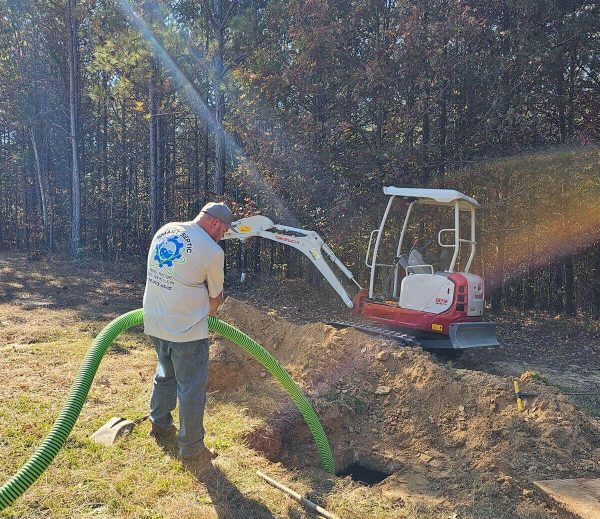
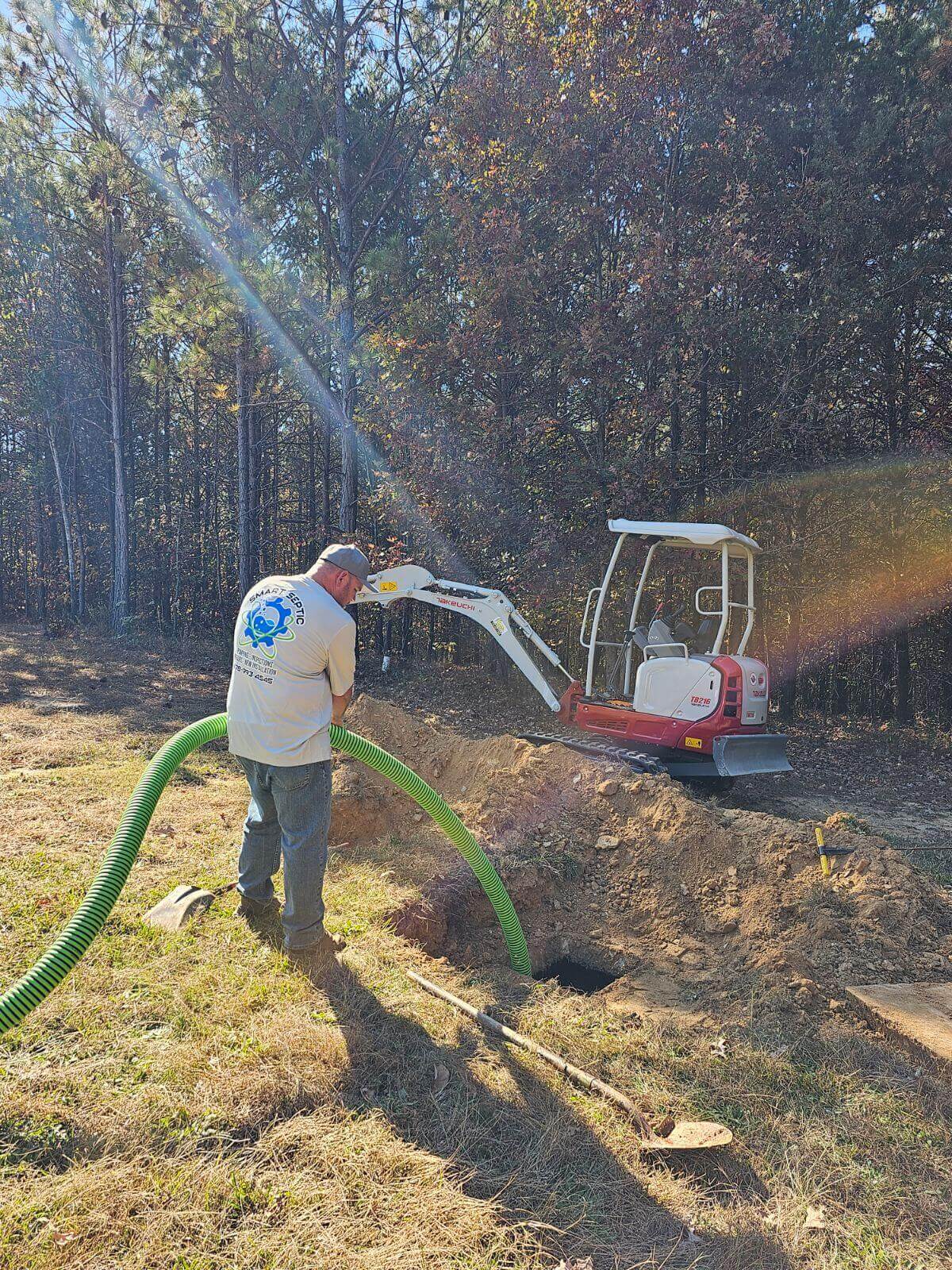
Septic tank pumping is performed by connecting a vacuum truck to the tank’s access hatch, removing the accumulated waste, and ensuring all contents are extracted to maintain system efficiency.
What types of septic systems are available?
The types of septic systems available include traditional gravity systems, pressure distribution systems, anaerobic systems, and mound systems. Each type is designed for specific site conditions and wastewater treatment needs, ensuring effective management of sewage and wastewater.
What maintenance tasks do septic services perform?
The maintenance tasks performed by septic services include regular inspections, pumping of septic tanks, cleaning drain fields, and addressing any repairs needed to ensure optimal system functionality and prevent costly failures.
How to recognize septic service scams?
Recognizing septic service scams involves being aware of red flags such as unsolicited offers, pressure tactics for immediate payment, lack of proper licensing, and overly low estimates. Always verify credentials and seek referrals before hiring a septic service provider.
What regulations apply to septic installations?
The regulations that apply to septic installations include local health department standards, state environmental protection agency guidelines, and specific building codes that ensure compliance for proper waste disposal and groundwater protection. Always check with local authorities for specific requirements.
What happens during a septic system backup?
A septic system backup occurs when wastewater cannot flow properly through the system, leading to overflow or blockage. This can cause unpleasant odors, slow drains, and potential flooding in your home or yard.
Can homeowners inspect their own septic systems?
Homeowners can perform basic inspections of their septic systems, such as checking for visible leaks and inspecting the area around the tank. However, for a thorough assessment and to ensure compliance with regulations, it is recommended to hire a professional.
What are common septic tank myths?
Common septic tank myths include beliefs such as all waste can be flushed, additives are needed for tank maintenance, and a large tank means fewer issues. Understanding the truth behind these myths is essential for proper septic system care.
How does weather affect septic maintenance needs?
Weather significantly impacts septic maintenance needs. Heavy rain or snow can saturate the soil, leading to system overload, while extreme heat may increase evaporation and alter waste breakdown. Regular inspections are essential to adapt maintenance based on seasonal conditions.