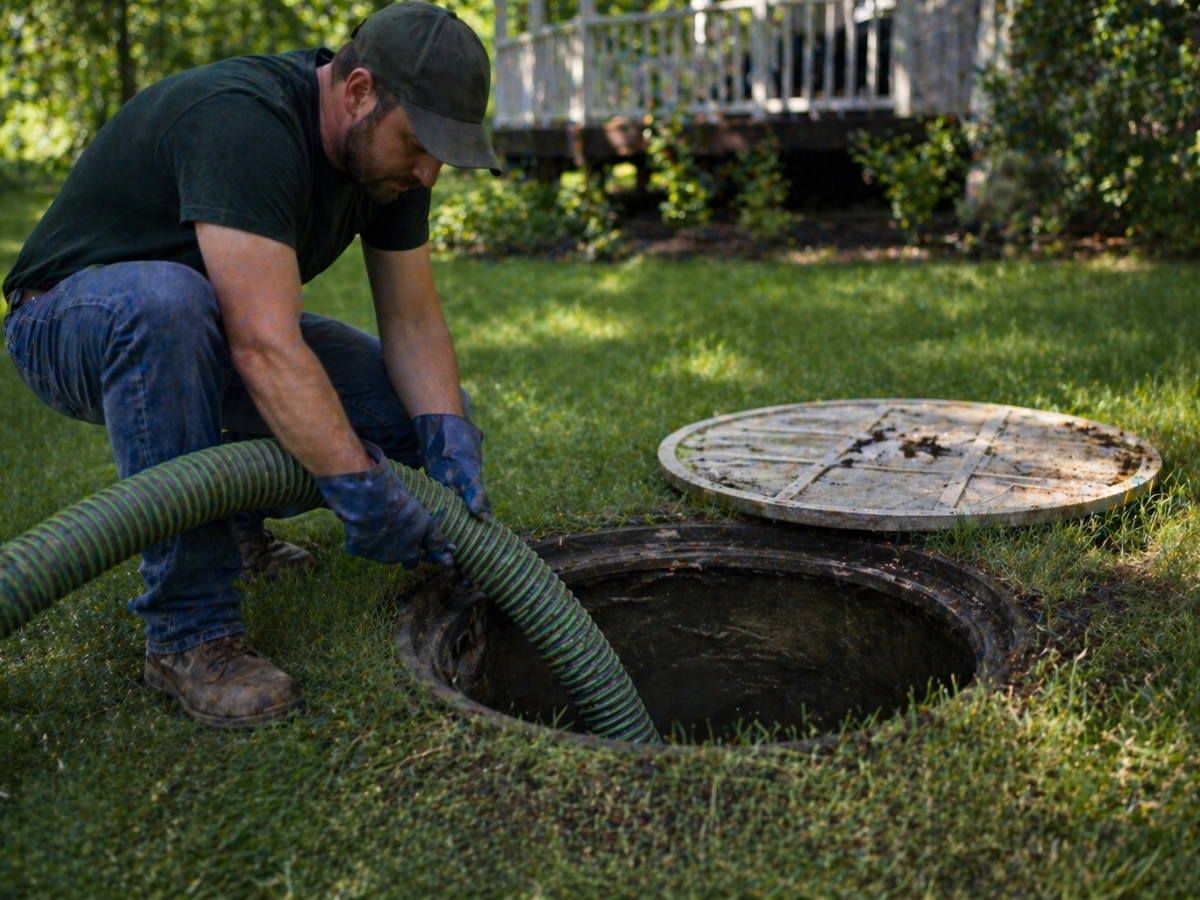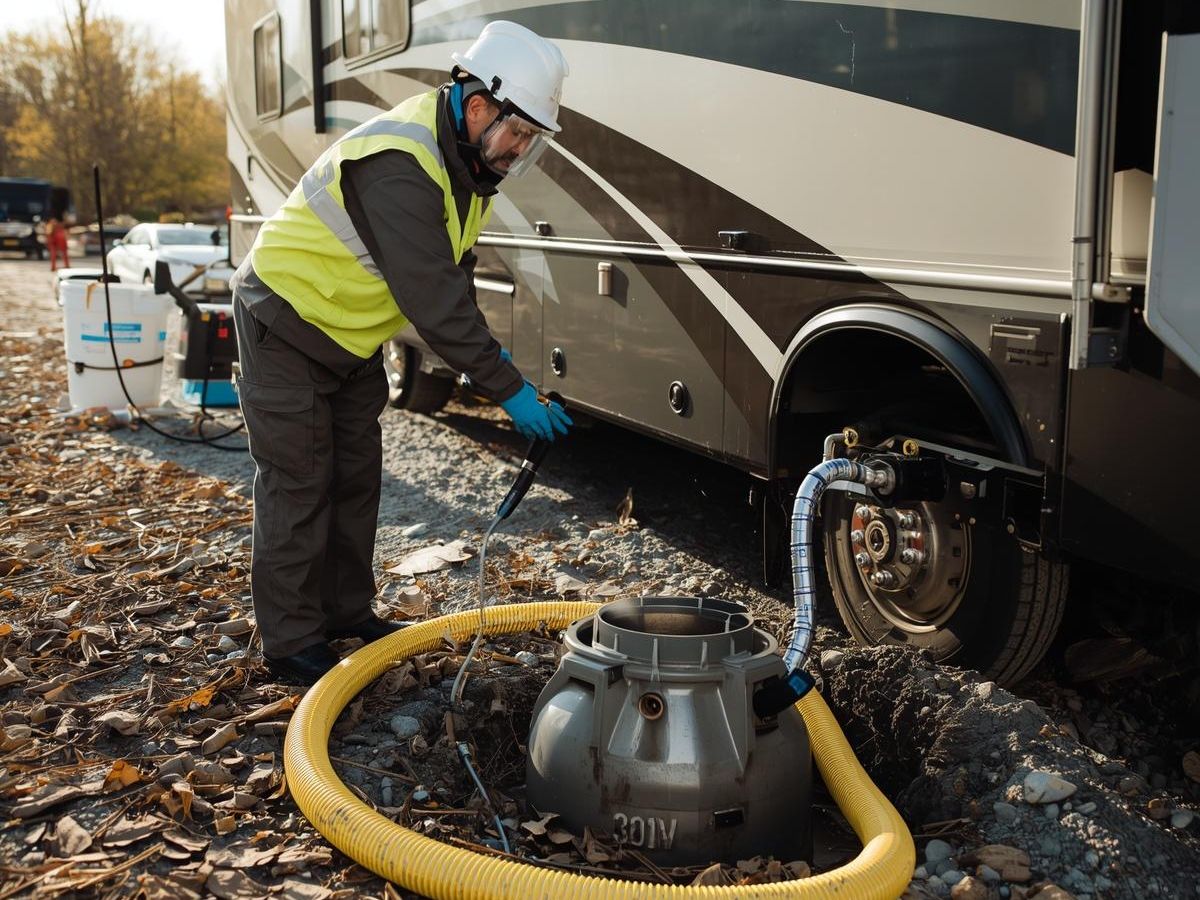
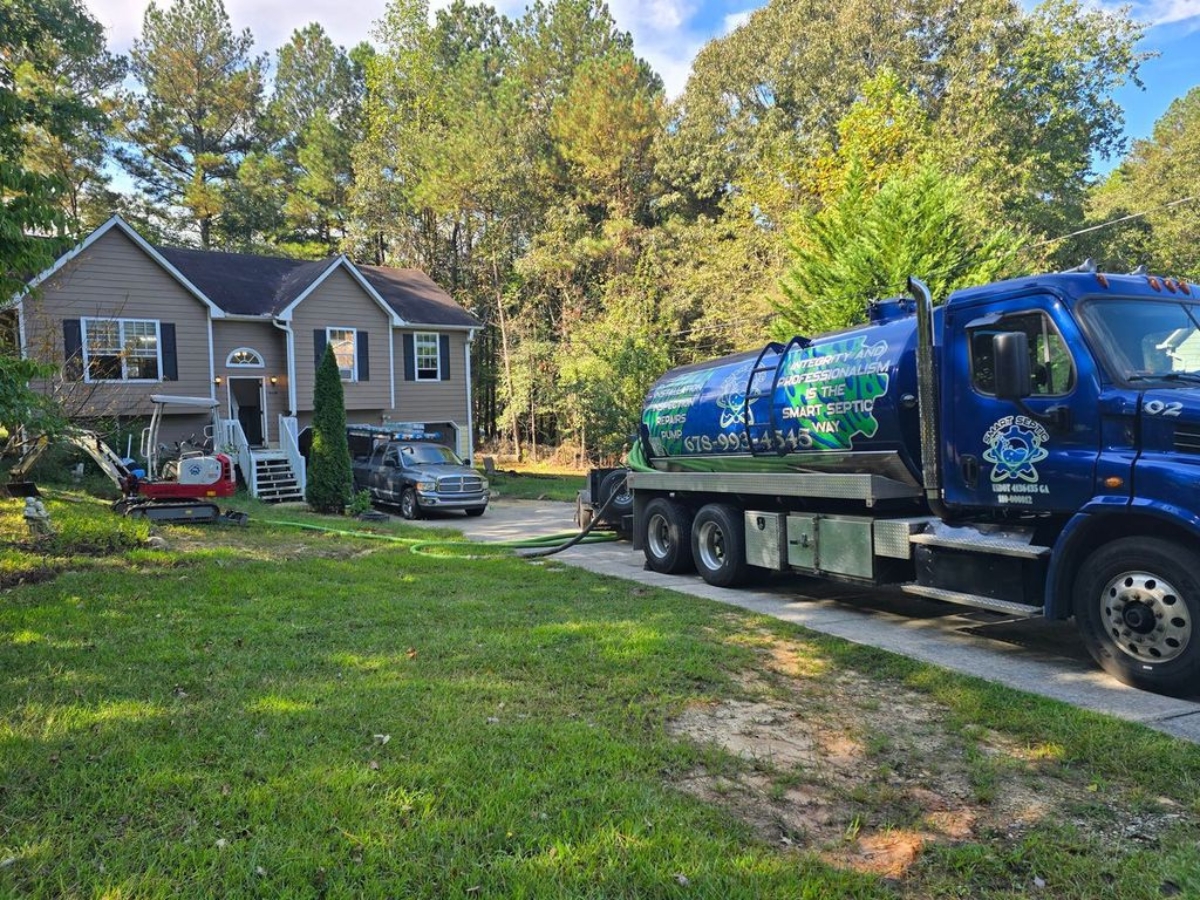
Septic problems rarely happen at a convenient time. A sudden backup, sewage odor, or slow-draining fixtures can quickly turn into a costly and hazardous situation if you’re not prepared. Understanding septic system emergency preparedness is essential for protecting your home, your property, and your family’s health.
From heavy rain and flooding to clogs, pump failures, or power outages, several issues can disrupt your septic system without warning. Knowing what to do immediately can minimize damage, prevent contamination, and reduce expensive repairs. It can also help you avoid common mistakes that make the problem worse. We’ll walk you through septic system emergency preparedness, including warning signs to watch for, first steps to take during a septic emergency, and how to prevent future breakdowns before they start.
Septic System Emergency Prep Every Homeowner Needs
What Are The Common Signs Of Septic System Failure?
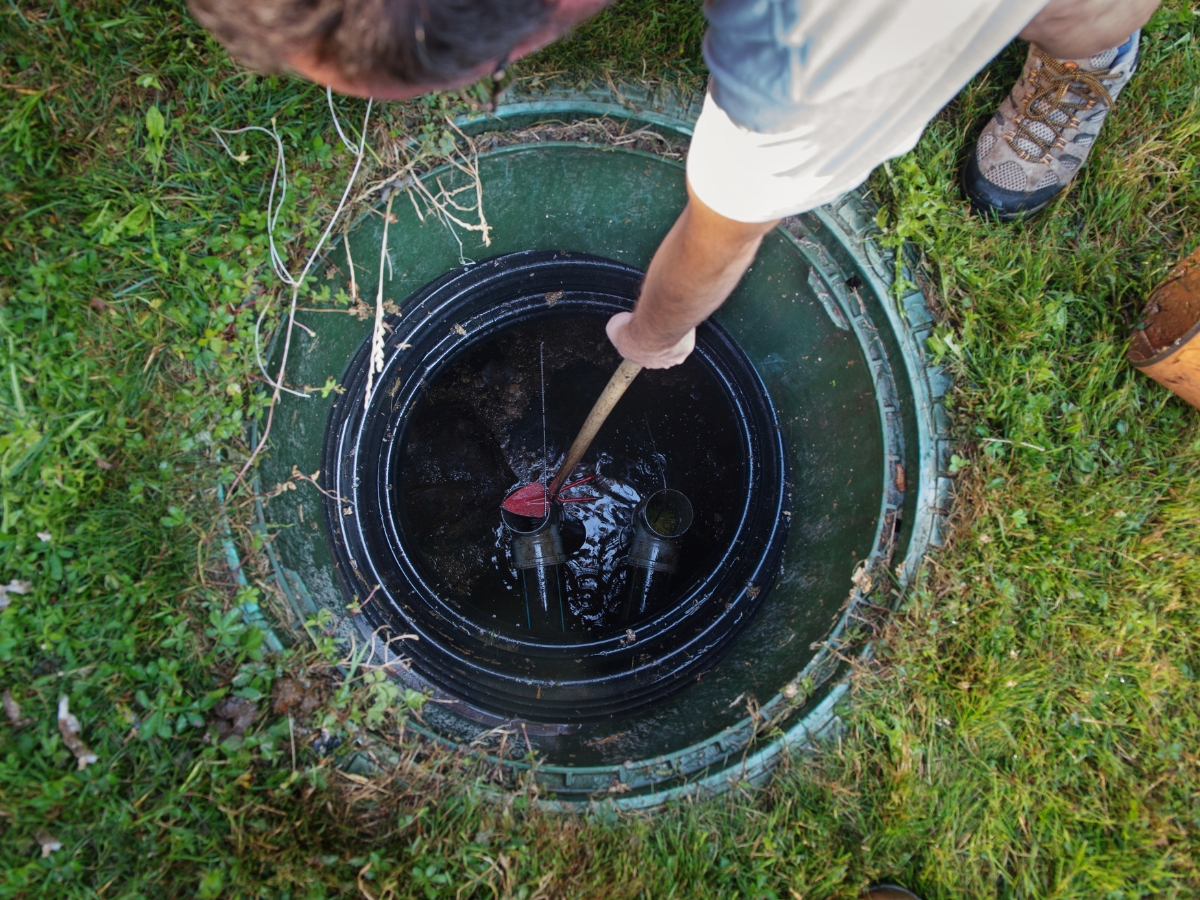
Spotting septic trouble early can save you from a messy cleanup and a much bigger repair bill. It is also an important part of emergency prep for homeowners, since a failing system can create health hazards quickly if wastewater backs up into the house or surfaces in the yard.
Most septic issues do not appear overnight. They often start with small changes in how your drains behave, then escalate into odors, standing water, or sewage backups if the system continues to struggle. Recognizing the warning signs gives you a chance to act while the problem is still manageable.
Septic problems are not just inconvenient. When a system is overloaded, blocked, or failing, wastewater can contaminate indoor spaces or saturate the soil around the drain field. That is why emergency prep should include knowing what “off” looks and smells like, and treating those changes as a reason to investigate, not something to ignore until it gets worse.
How Do Slow Drains And Backups Indicate Septic Problems?
Slow drains are often the first sign homeowners notice. If sinks, tubs, or toilets begin draining sluggishly, it can point to a clog in the plumbing, but it can also signal that the septic tank is too full or the drain field is not absorbing wastewater properly. When the system cannot move water out at the right pace, the plumbing inside the home starts to show it.
If more than one drain is slow at the same time, that usually suggests the issue is not a single fixture. It can indicate a blockage in the main line or a system-wide problem where wastewater has nowhere to go.
Backups are the next step, and they can happen without much warning once the system reaches capacity. Toilets may overflow, drains may push water back up, and the lowest fixtures in the home often show the issue first.
From an emergency prep standpoint, the main takeaway is that repeated slow drains are not something to “wait out.” If you catch the pattern early, you may be able to prevent a full backup by reducing water use, avoiding additional strain on the system, and arranging an inspection before the situation becomes a health risk.
What Do Foul Odors And Gurgling Sounds Reveal About Septic Issues?
Odors are another common warning sign, and they tend to show up in predictable places. If you notice sewage smells coming from drains, near the septic tank area, or around the drain field, it can mean wastewater is not being processed and vented properly. These smells may be stronger after heavy water use, after rain, or when the system is under strain. Even if the odor seems to come and go, it is still a sign that something is not working as it should.
Gurgling sounds in the plumbing can also be a clue. When air gets trapped because wastewater cannot move freely, you may hear bubbling or gurgling from toilets or drains. That can happen with pipe blockages, but it can also occur when a septic system is full and struggling to handle normal flow. If gurgling happens alongside slow drains or odors, that combination is a stronger signal that the problem may be bigger than a simple clog.
Good emergency prep means having a clear threshold for action. When you notice persistent odors, gurgling, or repeated slow drains, it is time to treat it as a system warning. Taking it seriously early can help you avoid the kind of septic failure that turns into an urgent cleanup and disrupts daily life.
What Immediate Actions Should You Take During a Septic Emergency?
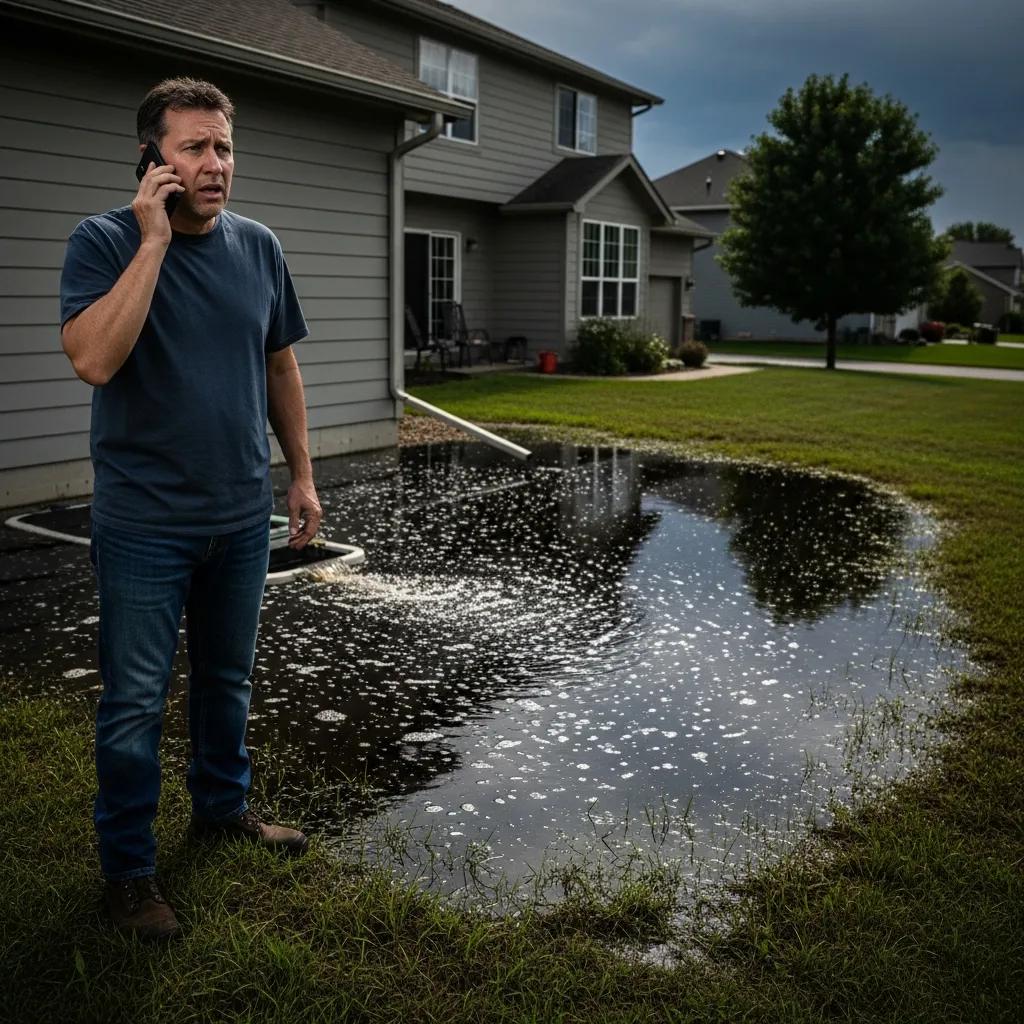
A septic emergency can escalate fast, especially if wastewater backs up into the home or starts surfacing in the yard. The goal in the first hour is damage control and safety. That means limiting additional flow into the septic system, reducing the chance of contamination, and gathering enough information so a professional can respond efficiently.
If you are building a basic emergency prep plan for your home, it helps to know what to do before you are standing in a bathroom with an overflowing drain.
Septic issues can be more than a plumbing headache. Sewage can contain bacteria and other contaminants, so treating the situation as a health concern is the safest approach. Until the problem is assessed, assume that any backed-up water is unsafe, keep children and pets away from affected areas, and avoid tracking contaminated water through the house.
Why Is Stopping All Water Usage Crucial In A Septic Emergency?
Stopping water use is the fastest way to keep a bad situation from getting worse. Every flush, shower, load of laundry, or run of the dishwasher adds more water to a system that is already struggling to drain. If the tank is full, a line is blocked, or the drain field is saturated, continued water use can push wastewater back into the home or force it to surface outdoors.
This is where emergency prep becomes practical. The moment you suspect a septic emergency, shut off as many water sources as possible. Ask everyone in the home to stop flushing toilets and using sinks. Avoid running appliances that use water, and skip activities like bathing or washing dishes until the system is stable. Reducing flow buys time, limits overflow, and can prevent additional contamination.
If you have standing sewage or water around floor drains, treat it as a clear sign that the system is not handling normal volume. At that point, even “small” uses like handwashing at a sink can add up and increase pressure on the system.
How And When To Contact Emergency Septic Repair Services?
You should contact an emergency septic professional as soon as you see clear warning signs like sewage backing up into drains, repeated toilet overflows, strong sewage odors paired with slow drains, or pooling water near the drain field that looks or smells like wastewater. Waiting often leads to more cleanup and higher risk, especially if the issue involves a blocked line or a tank that needs immediate attention.
When you call, share details that help the technician prepare. Explain what you are seeing, where it is happening, and how quickly it escalated. Mention whether multiple drains are affected, whether there are gurgling sounds, and whether you have noticed odors in the yard or near the tank area.
If it is safe to do so, note any recent triggers like heavy rain, a large gathering that increased water use, or ongoing slow drains that suddenly became a backup. This information helps the response team narrow down likely causes and arrive with the right equipment.
As part of emergency prep, keep your septic system records accessible, including the location of the tank and drain field if you know it, along with any recent service dates. That small bit of preparation can speed up diagnosis and reduce time spent searching the property.
Once help is on the way, continue limiting water use, keep affected areas isolated, and follow any instructions you are given to protect your household until the issue is resolved.
How Can You Prevent Septic Tank Overflow And System Failures?
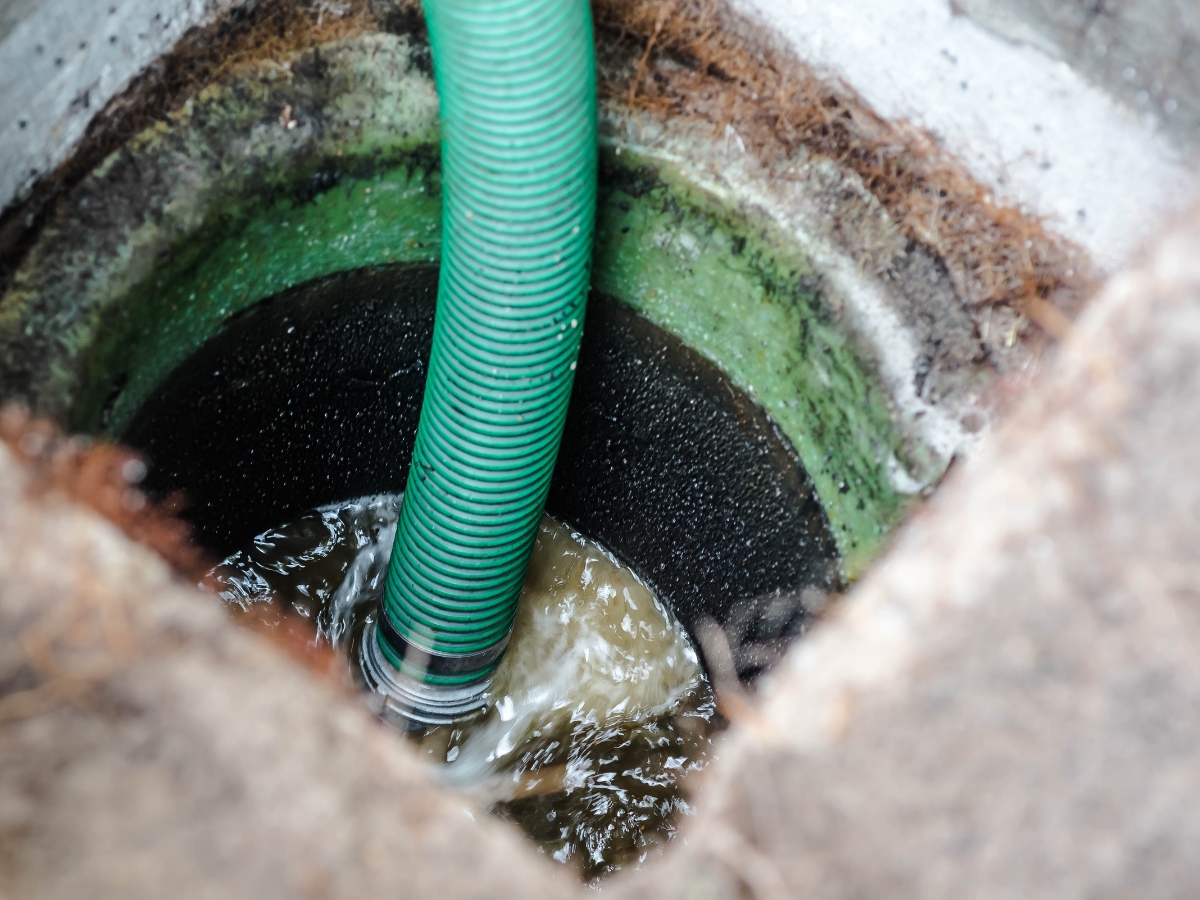
The best way to handle a septic emergency is to avoid having one in the first place. Septic overflows and system failures usually come after a long period of stress on the tank, pipes, or drain field, even if the warning signs are subtle.
With the right habits and a basic plan, most homeowners can reduce risk significantly. From an emergency prep standpoint, prevention is not just about saving money. It is about avoiding the health hazards and disruption that come with backups, sewage odors, and yard contamination.
Septic systems work best when they are treated like a long-term part of the home, not something you only think about when there is a problem. That means routine maintenance, careful use, and avoiding practices that overload the system. When you build septic care into your regular home schedule, emergency prep becomes easier because you are less likely to be caught off guard.
What Regular Maintenance Practices Help Avoid Septic Emergencies?
Regular inspections and pumping are the foundation of septic prevention. Over time, solids accumulate in the tank. If the tank is not pumped on schedule, solids can move into the drain field and cause clogs that are harder to fix. A professional inspection can also catch developing issues, like baffles that are damaged, early signs of blockages, or a drain field that is not absorbing properly.
Many homeowners follow the general guideline of pumping every three to five years, but the right timing depends on how much the system is used. Household size, tank capacity, and daily water usage all affect how quickly the tank fills.
If you host often, have a larger household, or notice changes in drainage speed, you may need a different schedule. Keeping a record of service dates is a simple emergency prep step, since it makes it easier to track patterns and avoid guessing.
It also helps to pay attention after heavy rain. Saturated soil can reduce drain field performance, and if your system is already close to capacity, wet weather can push it into failure. Maintenance does not prevent every issue, but it lowers the odds of a surprise backup and helps you spot problems while they are still manageable.
Which Waste Disposal And Water Usage Habits Protect Your Septic System?
Daily habits can either protect your septic system or quietly wear it down. One of the biggest issues is flushing items that do not break down properly. Products like wipes, feminine hygiene items, paper towels, and similar materials can clog lines and increase solids in the tank.
Even items labeled “flushable” can cause trouble because they often do not break down like toilet paper. Keeping only human waste and toilet paper going into the system is one of the simplest ways to reduce risk.
Water usage matters just as much. Septic systems are designed to handle a certain flow, and too much water in a short period can overwhelm the tank and drain field. Fixing leaks, spacing out laundry loads, and avoiding long, high-volume water use on the same day can reduce strain. Water-efficient fixtures can help, but consistent habits are what really protect the system.
Emergency prep is also about knowing your limits. If you notice slow drains, gurgling, or odors, treat those signs as your cue to reduce water use immediately and avoid activities that add load to the system until you understand what is happening.
With steady maintenance and smarter daily use, you can extend the life of your septic system and lower the chance of an emergency disrupting your home.
How to Develop a Septic Disaster Preparedness Plan for Your Property?
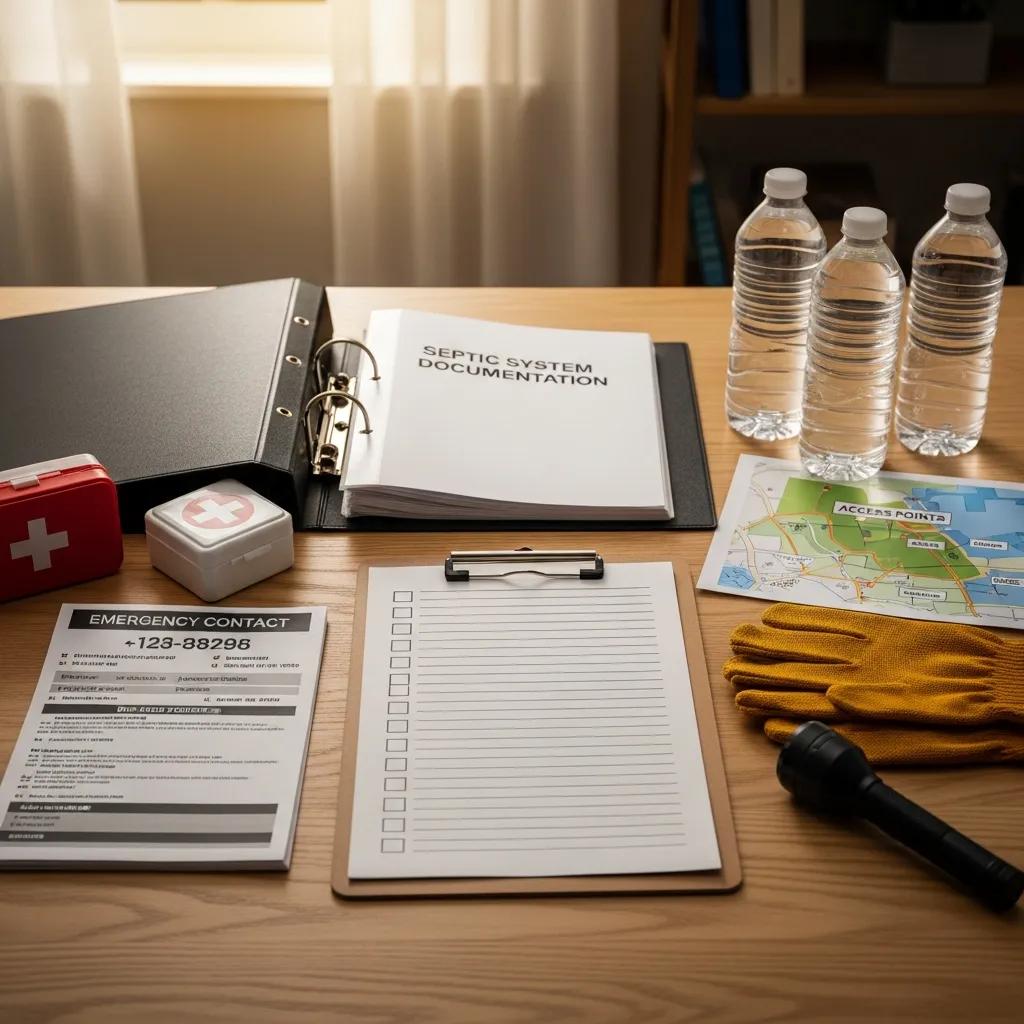
A septic emergency can turn into a major disruption fast, especially if wastewater backs up into the home or surfaces in the yard. Building a simple septic disaster plan ahead of time is one of the most practical forms of emergency prep for homeowners. It does not need to be complicated.
The goal is to reduce panic, limit damage, and make it easier for a professional to respond quickly if something goes wrong. When you already know where your system is, what information matters, and what steps to take first, you are far less likely to make the situation worse in the moment.
A good plan also helps with prevention. When you keep basic records and review them periodically, you are more likely to notice patterns like increasing drain issues or a missed pumping schedule. That kind of awareness often prevents emergencies from happening at all.
What Should A Pre Disaster Septic System Checklist Include?
Start with contact information. Keep a short list of local septic professionals you trust, along with any relevant emergency numbers. In a true backup situation, you do not want to be searching online while trying to keep wastewater contained. This is one of the easiest emergency prep steps to complete, and it can save a lot of time when minutes matter.
Next, gather your system documentation in one place. This includes the location of the septic tank and drain field, any drawings or permits you have, and records of pumping, inspections, and repairs. Even if you do not have full design documents, notes like the last service date and what work was done are still useful. Technicians can diagnose faster when they know the system’s history, and you can avoid guessing about when maintenance last happened.
It also helps to identify access points and make them easy to find. If the tank lid, cleanouts, or inspection ports are buried or hard to locate, that can slow down response. Marking or mapping these points, even with a simple note stored with your records, can prevent unnecessary digging.
As part of emergency prep, you should also consider basic household supplies that support a temporary water shutdown, such as extra drinking water, disinfecting supplies for safe cleanup of minor splashes, and a plan for bathroom needs if you cannot use plumbing for a period of time.
Reviewing this information periodically matters because properties change. Landscaping, additions, and drainage issues can affect access and performance. A quick check once or twice a year helps keep your plan useful.
What Actions Are Recommended During And After A Septic Emergency?
During a septic emergency, the first priority is safety. Avoid contact with sewage and keep children and pets away from affected areas. Wastewater can contain harmful bacteria and other contaminants, so treat any flooded area as hazardous. If you see signs of backup, stop water use immediately. Do not flush toilets, run dishwashers, or do laundry, since additional flow can worsen overflow and spread contamination.
If wastewater is present indoors, limit foot traffic through the area to avoid tracking contamination. Ventilate the space when possible, and avoid using regular household vacuums or fans that can spread particles.
Call a septic professional as soon as you can and provide clear details about what you are seeing, including which drains are affected and whether the issue appears indoors, outdoors, or both.
After the emergency is resolved, schedule a professional inspection to confirm the system is functioning properly and to check for damage that may not be obvious. It is also smart to document what happened, including when it started, what symptoms you noticed, and what work was performed. That documentation can help you adjust future maintenance and can be useful if you need records for insurance.
Emergency prep is not only about responding in the moment. It is also about learning from the incident so that the same failure is less likely to happen again.
Why Choose Smart Septic Pros for Emergency Repairs?
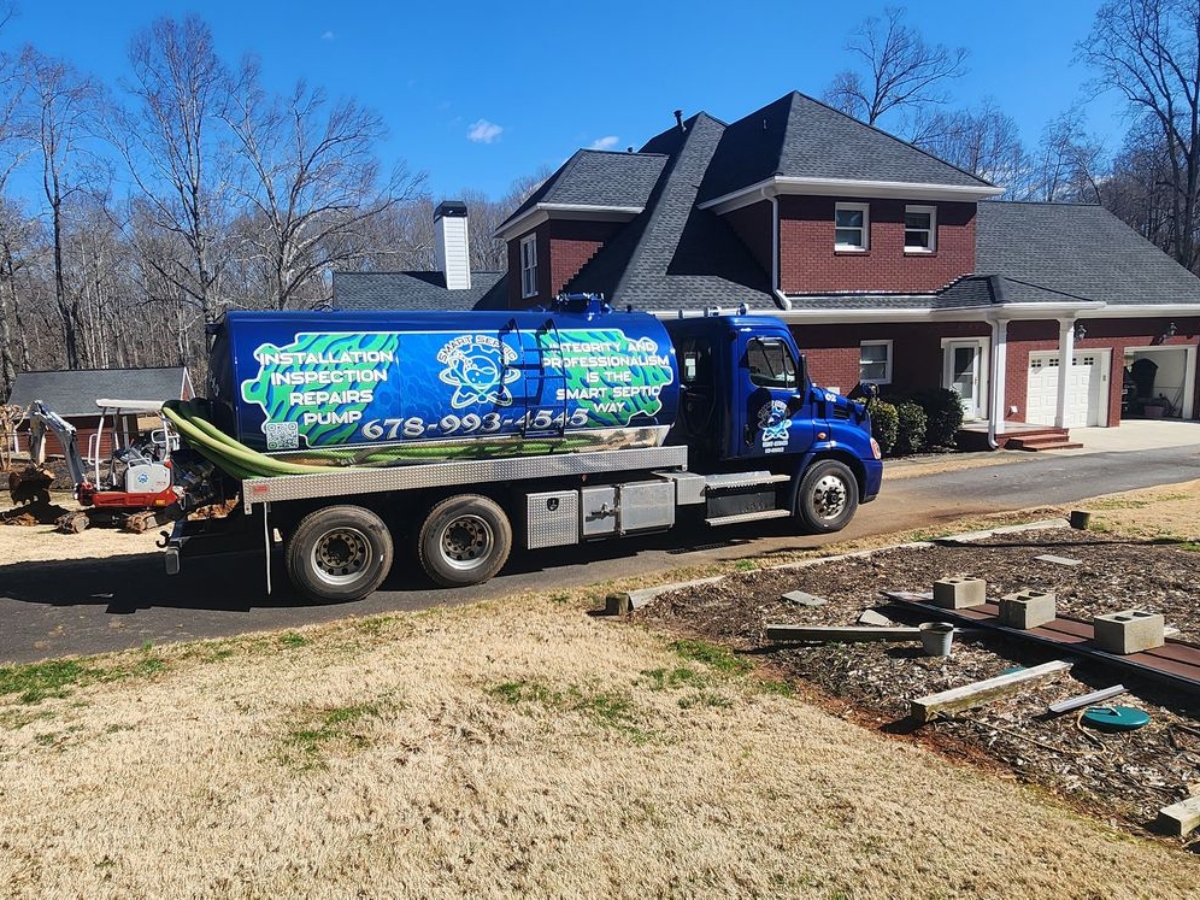
In a septic emergency, time matters. A backup can spread quickly, create unpleasant conditions inside the home, and raise real health concerns if wastewater is involved. That is why many homeowners include septic support in their emergency prep plan, right alongside knowing where shutoff valves are and who to call when something fails.
In Metro Atlanta, a reliable emergency provider is less about marketing promises and more about clear communication, fast availability, and the ability to diagnose problems without guessing.
Smart Septic Pros positions itself as an emergency-focused option for homeowners who need help quickly. When you are dealing with slow drains that suddenly turn into a backup, or odors and pooling water that suggest the system is overwhelmed, you want a team that can respond, assess the situation, and recommend the safest next step.
Good emergency prep is not only about having a name on a list. It is about choosing a provider that can show up when the problem is urgent and treat the situation like the health and property issue it is.
What Are The Benefits Of Twenty Four Seven Emergency Septic Services?
The biggest benefit of around-the-clock septic help is simple: you are not waiting until normal business hours while the problem gets worse. Septic issues do not follow a schedule, and backups often happen at the worst possible time, such as late at night, on weekends, or during heavy rain.
Having access to a provider that is available twenty-four-seven can reduce the time between the first warning signs and professional action, which can limit damage and shorten the disruption to your household.
This also supports smarter emergency prep. If you know you can reach help quickly, you are more likely to stop water use immediately, isolate affected areas, and call for support before the situation escalates. Fast response can also help prevent secondary problems, like wastewater spreading into additional rooms, damaging flooring, or contaminating areas of the yard where children and pets may play.
How Does Smart Septic Pros Ensure Prompt And Professional Emergency Response?
During an emergency, professionalism shows up in the basics. Clear questions on the phone, realistic expectations about arrival and next steps, and a structured approach to diagnosing the cause of the problem all matter.
Smart Septic Pros emphasizes that its team is trained to address a range of septic issues, which can be helpful when symptoms overlap. A slow drain might be a localized clog, but it can also signal a full tank or drain field trouble, and the response should fit what is actually happening.
A prompt emergency response also depends on arriving prepared. A team that is equipped to assess common failure points can move faster from “something is wrong” to a clear plan. That helps homeowners make safer decisions in the moment, especially when the right move may be to stop water use, avoid contact with contaminated areas, and wait for professional guidance rather than trying quick fixes that can worsen the situation.
If you are building a practical emergency prep plan for your home, include a short list of septic details that you can share quickly during a call. Note what symptoms you are seeing, which drains are affected, and whether the issue is indoors, outdoors, or both. Having that information ready makes any emergency response smoother, and it helps you get to a solution with less stress and less time lost.
What Are The Typical Costs And Considerations For Emergency Septic Repairs?

A septic emergency is stressful enough without surprise costs layered on top. Knowing what repairs typically cost helps you plan ahead, compare options more confidently, and make better decisions in the moment.
This is also an important part of emergency prep because septic problems do not always wait for convenient timing. If you understand the price ranges for pumping, repairs, and replacement, you can budget with fewer surprises and respond faster when an issue escalates.
Cost ranges are not fixed, because septic work depends on the problem, the property, and how quickly the system can be accessed. Still, most homeowners see emergency costs fall into a few broad categories. Pumping is often the most straightforward, while repairs vary widely based on what failed.
Full replacement is the biggest investment, and it usually involves permitting, site conditions, and local requirements that affect both timeline and cost.
How Do Pumping, Repair, And Replacement Costs Vary?
Emergency pumping is often in the range of about two hundred fifty to six hundred dollars, depending on tank size, access, and local market pricing. Pumping may resolve the immediate symptom if the tank is simply full, but it does not always address the underlying cause. If the tank fills unusually fast, or if backups continue after pumping, additional diagnosis may be needed.
Repair costs are where variation really shows up. Some repairs are relatively simple, like clearing a blockage, replacing a damaged baffle, or repairing a line. Others are more complex, such as drain field problems or extensive pipe failures. That is why repair pricing often ranges from a few hundred dollars to several thousand, depending on scope and labor. The key consideration is whether the repair restores the system’s function long-term or is simply a short-term fix to stop overflow.
System replacement is typically the highest cost scenario, and it can exceed fifteen thousand dollars. Replacement is not just swapping out parts. It may involve excavation, design considerations, and compliance with local requirements. Soil conditions, available space, and the type of system being installed can all change the final number.
From an emergency prep perspective, replacement is not usually the first step during an emergency, but understanding the possibility helps homeowners avoid denial when a system has reached the end of its lifespan.
What Factors Influence Emergency Service Pricing And Surcharges?
Timing is one of the most common drivers of emergency pricing. Calls placed during nights, weekends, or holidays may include surcharges because crews are responding outside standard hours. Complexity also affects cost. A single clogged line is different from a full system backup with indoor contamination, and diagnosis takes longer when symptoms are unclear or multiple issues are happening at once.
Access is another factor homeowners often overlook. If the tank lid is buried, the cleanout is hard to locate, or the property layout requires extra work to reach the system, labor time increases. Distance to the service location can also affect pricing, particularly if the provider must travel farther or bring additional equipment.
Good emergency prep includes two practical steps. First, keep basic system information available, including the last pumping date and the general location of the tank and drain field. Second, treat early warning signs seriously. Regular maintenance and quicker response to slow drains, odors, and gurgling can reduce the likelihood that a smaller problem turns into an expensive off-hours emergency.
Conclusion
Being prepared for a septic emergency can mean the difference between a quick, manageable fix and a costly, catastrophic failure. Knowing the immediate steps to take—from stopping water usage to identifying your system’s components—empowers you to act decisively when every minute counts.
For 24/7 emergency response and expert care you can rely on, keep Smart Septic Pros on speed dial. Don’t face a septic crisis alone. Call 678-993-4545 or use our contact form immediately for emergency assistance. Let our experienced team protect your property and restore your peace of mind.