A home septic inspection can reveal a lot, but when a property relies on a septic system, a standard walkthrough isn’t enough.
Hidden underground, septic issues often go unnoticed until they become expensive problems. A guide to Georgia real estate inspections for your septic system helps buyers and sellers understand what to look for before closing a deal.
In Georgia, soil conditions, system age, and maintenance history all play a role in how well a septic system performs. A proper inspection can uncover signs of failure, drainage issues, or components nearing the end of their lifespan. For buyers, this means avoiding unexpected repairs. For sellers, it helps prevent delays during negotiations.
Understanding how real estate inspections work gives you the information needed to move forward with greater confidence in your real estate transaction.
Protecting Your Georgia Home Sale Through Septic Inspections
How Septic Inspections Fit Into Georgia Real Estate Transactions
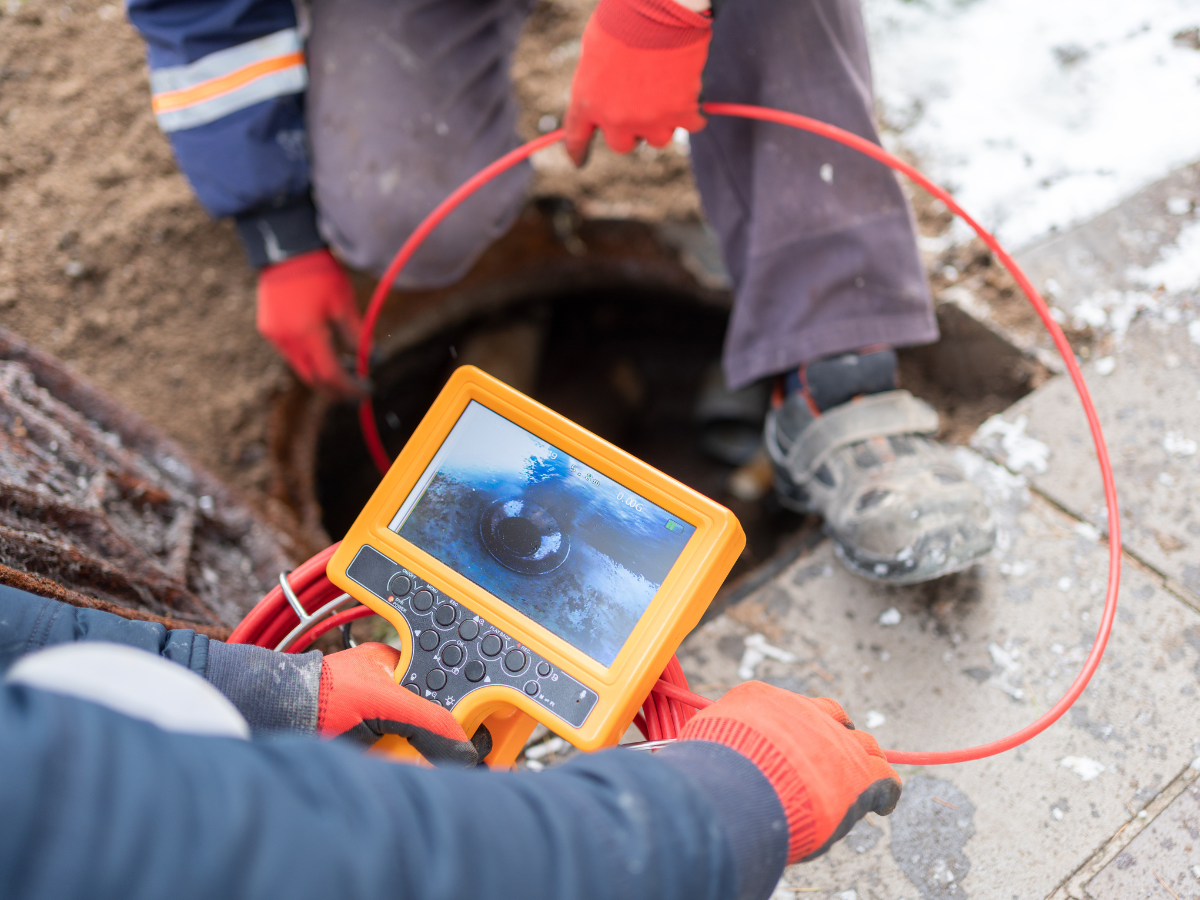
Septic inspections are a standard component of real estate inspections in Georgia for properties that rely on private wastewater systems.
While they may not always be legally mandated at the state level, they are functionally required in most transactions due to lender expectations, buyer protections, and local health considerations.
In practice, very few septic-dependent properties change hands without some form of inspection.
The reason is straightforward. A septic system is not just another feature of the home. It is a critical infrastructure component that directly affects sanitation, environmental safety, and long-term property usability.
If the system fails, it can lead to groundwater contamination, property damage, and significant repair costs that often fall on the new owner. Because of this risk, septic evaluations have become a non-negotiable part of real estate inspections for informed buyers and cautious lenders.
From a buyer’s perspective, the inspection provides clarity and leverage. It answers essential questions about the system’s condition, remaining lifespan, and potential repair needs.
If issues are identified, the buyer can negotiate repairs, request credits, or adjust the purchase price accordingly. Without this information, the buyer assumes a level of risk that is rarely acceptable in modern transactions.
For sellers, septic inspections serve a different but equally important purpose. Completing an inspection before listing the property allows the seller to identify and address issues early.
This can prevent last-minute surprises during the due diligence period, which is when deals are most likely to fall apart. A clean inspection report can also strengthen the listing by giving buyers confidence that the property has been properly maintained.
Understanding Georgia State Regulations for Septic Inspections
Georgia does not enforce a single statewide requirement that mandates septic inspections for every real estate transaction.
Instead, the expectation is shaped by a combination of local regulations, lender requirements, and industry standards. This creates a flexible framework where inspections are not always legally required, but are still widely expected.
Local health departments may require verification of system functionality in certain jurisdictions, particularly in areas with higher reliance on septic systems.
At the same time, lenders often require documentation confirming that the system is operational before approving financing. This is because a failing septic system can significantly impact property value and create financial risk for both the borrower and the lender.
Because of these overlapping factors, septic inspections have become a de facto requirement in Georgia real estate inspections. Even when no formal rule applies, the transaction environment strongly encourages them.
Is a Septic Inspection Mandatory for Home Sales in Georgia?
Technically, a septic inspection is not mandatory in every home sale, but in practical terms, it is often unavoidable. When a buyer is using financing, the lender will usually require an inspection report as part of the approval process. Without it, the loan may not move forward.
Even in cash transactions, buyers typically include septic inspections as part of their due diligence. This is especially true for older systems or properties in rural areas, where the risk of system failure is higher. Buyers understand that septic repairs can be costly, and they use inspections to protect themselves from unexpected expenses.
Sellers who attempt to bypass this step often encounter resistance. Buyers may request an inspection anyway, or they may reduce their offer to account for the uncertainty. In some cases, deals fall through entirely when inspection concerns are not addressed.
Because of this, septic inspections are best viewed as a standard and necessary part of real estate inspections in Georgia. They provide transparency, reduce risk, and help ensure that both parties can move forward with confidence.
How Is a Georgia Real Estate Septic Inspection Conducted?
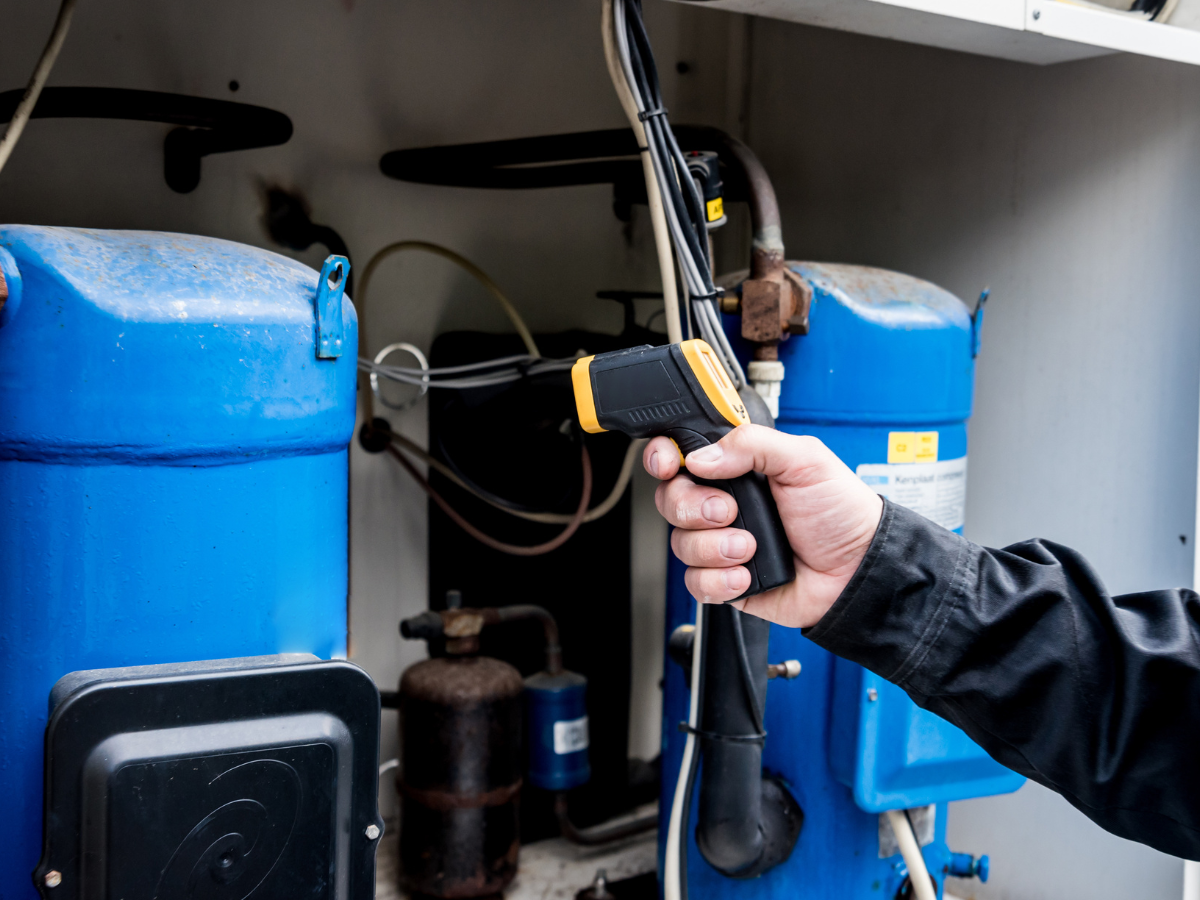
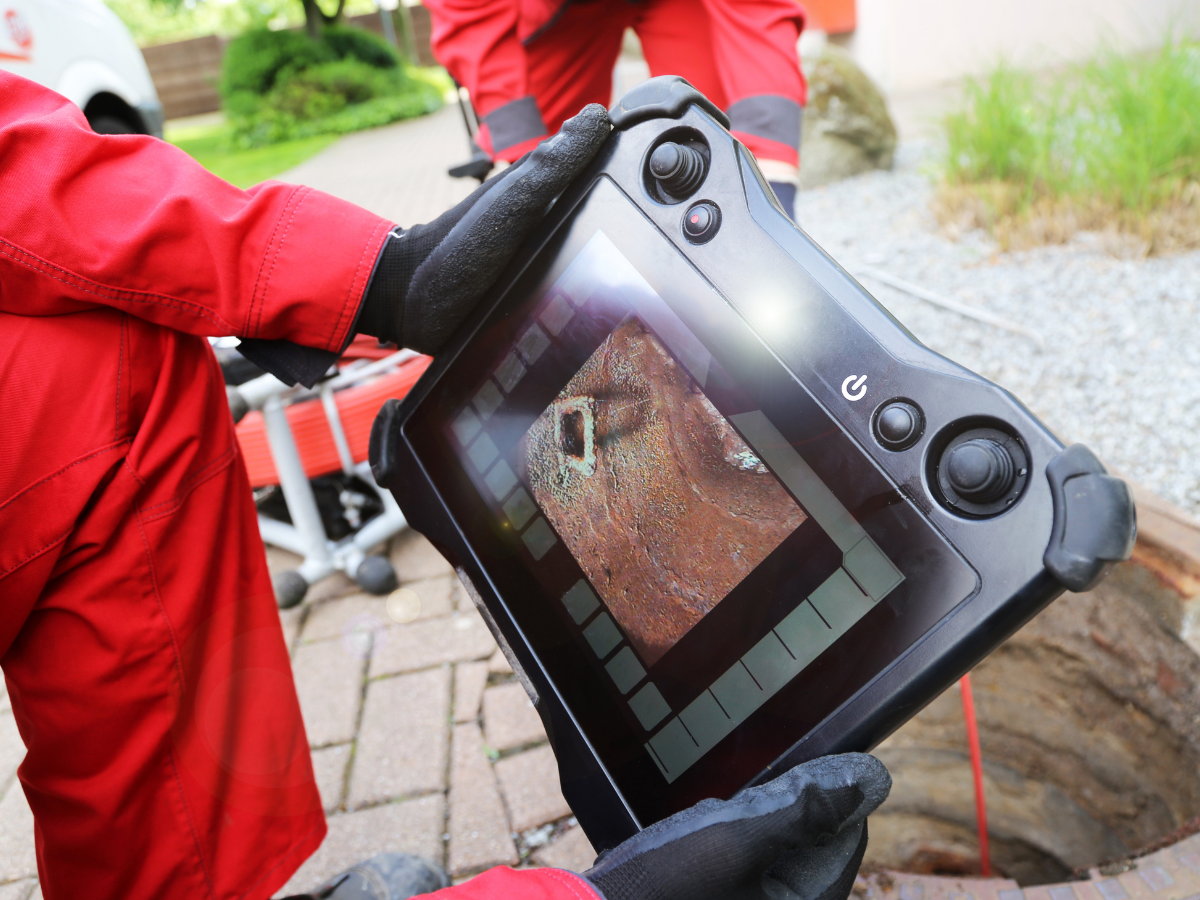
A septic inspection in Georgia is a structured and methodical process designed to evaluate both the physical condition and functional performance of the system.
Unlike many other aspects of real estate inspections, septic systems require direct access and hands-on evaluation because most of their components are underground and not visible during a standard walkthrough.
The purpose of the inspection is not just to confirm that the septic system exists, but to determine whether it is working properly under normal conditions. This includes assessing how waste is processed, how water flows through the system, and whether any part of the system is showing signs of failure.
From a transaction standpoint, this process provides critical documentation. Buyers use the findings to assess risk, while sellers rely on the report to support their asking price or justify completed maintenance.
Step-by-Step Septic Inspection Process and Checklist
- Initial Assessment: The inspector begins with a visual assessment of the property, identifying the location of the septic tank and drain field.
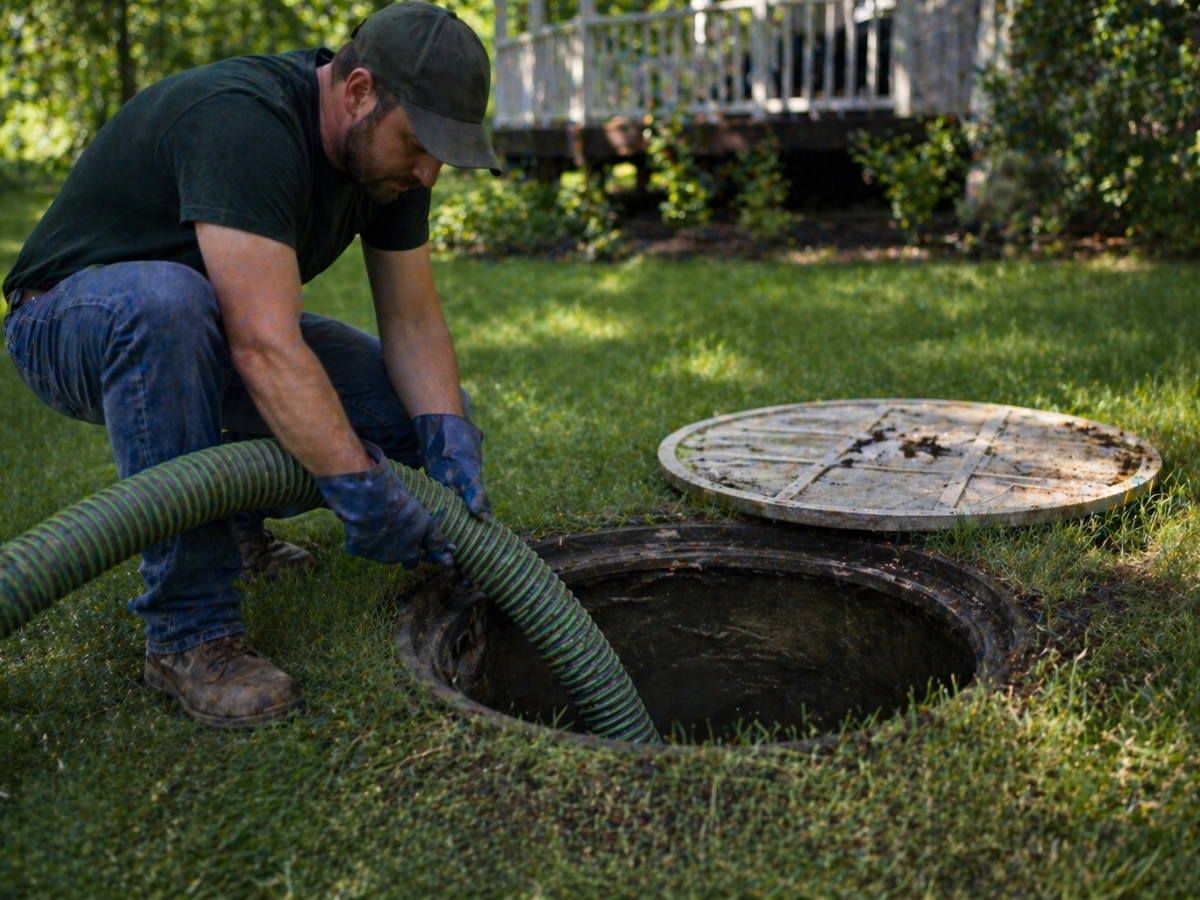
- Tank Inspection: The septic tank is opened to check for sludge levels, leaks, and structural integrity.
- Drain Field Evaluation: The inspector assesses the drain field for signs of failure, such as pooling water, soggy soil, or foul odors.
- System Functionality Test: The system may be tested by running water through the plumbing to ensure proper drainage and function.
- Documentation: All findings are documented in a report, which is crucial for the buyer and seller.
This checklist ensures that all critical components of the septic system are evaluated, providing a clear picture of its condition.
Common Septic System Components Evaluated During Inspection
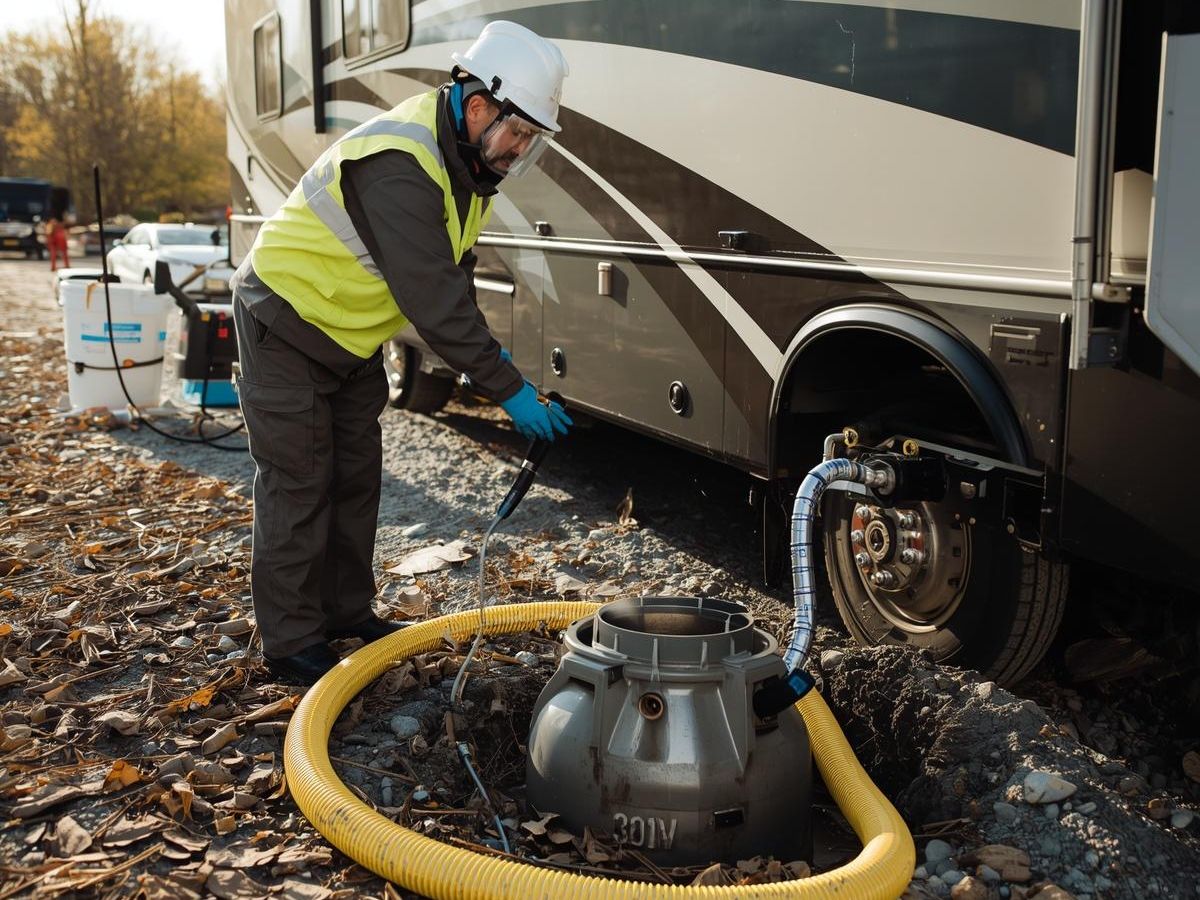
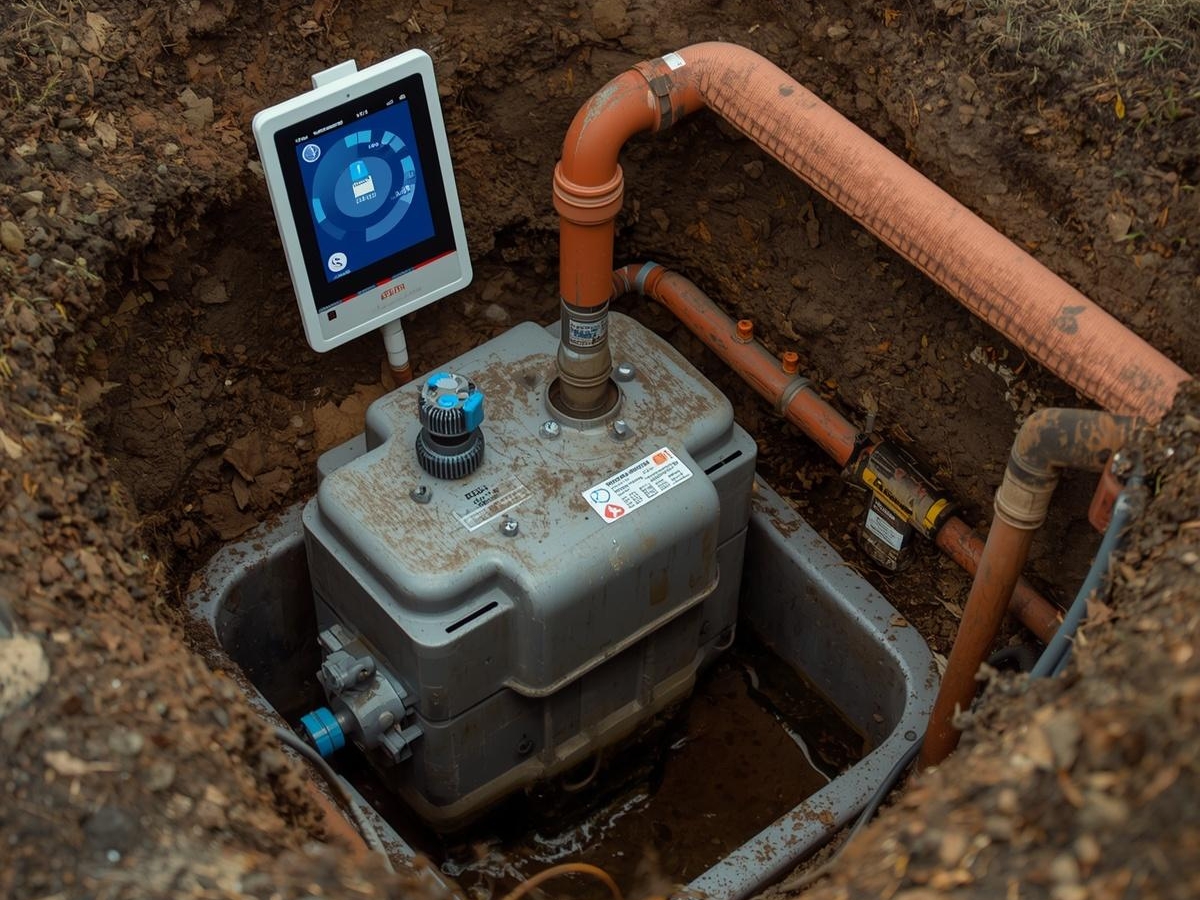
Inspectors focus on several key components that work together to keep the system functioning. The septic tank is responsible for separating solids from liquids, making it one of the most critical parts of the system. If the tank is not functioning properly, the entire system can be affected.
The drain field is equally important, as it disperses treated water into the soil. If the drain field becomes saturated or clogged, it can lead to backups and system failure.
The connecting pipes are also evaluated to ensure there are no leaks or blockages that could disrupt the flow of wastewater.
Understanding how these components are evaluated helps both buyers and sellers appreciate the importance of septic inspections within real estate inspections.
What Are the Typical Costs Associated with Septic System Inspections in Georgia?
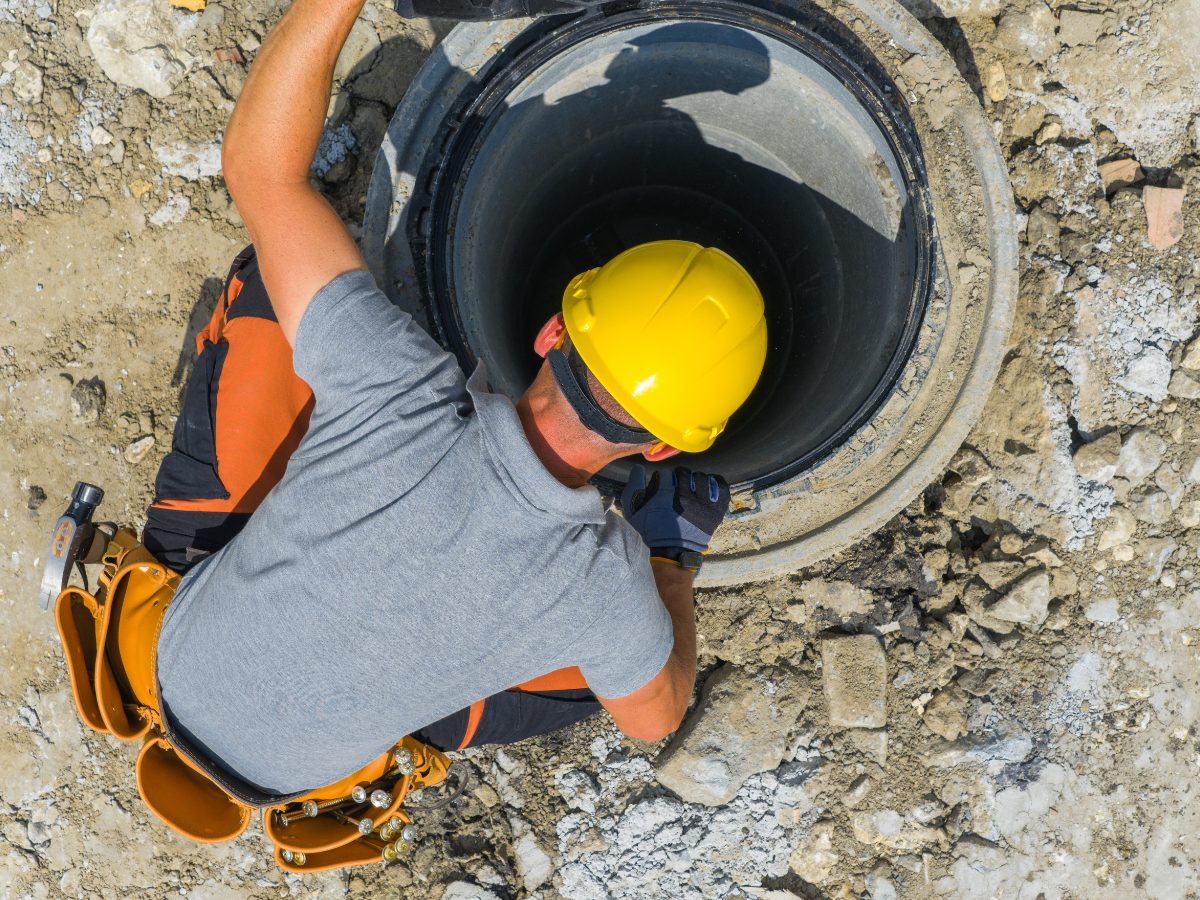
The cost of septic inspections is an important consideration within real estate inspections, especially for buyers who are already budgeting for closing costs, appraisals, and general home inspections.
While septic inspections are an added expense, they are relatively modest compared to the potential cost of repairing or replacing a failing system.
In Georgia, most septic inspections fall within a predictable range, typically between $250 and $450. However, this range can shift depending on the specifics of the property and the complexity of the system. Even at the higher end, the cost is generally considered a worthwhile investment, given the level of risk it helps mitigate.
From a buyer’s perspective, this cost is part of due diligence. It provides clarity on a major system that could otherwise become a financial burden. For sellers, paying for a pre-listing inspection can help avoid last-minute negotiations and demonstrate transparency to potential buyers.
Factors Influencing Septic Inspection Pricing in Georgia
Several variables can affect how much a septic inspection will cost. One of the most significant factors is the size of the system. Larger systems require more time to inspect, which can increase labor costs.
Accessibility is another key factor. If the septic tank or drain field is difficult to locate or buried deeper than expected, the inspection may take longer and require additional effort.
The condition of the system can also influence pricing. If the inspector encounters signs of potential failure, additional testing may be needed to confirm the issue. This can include more detailed evaluations of the drain field or further analysis of water flow.
Location can also play a role. In rural areas, travel time may be factored into the cost, while in more densely populated areas, pricing may be more competitive due to higher availability of providers.
Despite these variables, septic inspections remain a relatively small portion of overall real estate inspections. The cost is often outweighed by the protection it provides against unexpected repair expenses.
How to Schedule a Septic Inspection with Smart Septic Pros
Scheduling a septic inspection is typically a straightforward process, but timing is critical, especially during a real estate transaction. Inspections must be completed within a specific due diligence window, and delays can impact closing timelines.
Homeowners or buyers usually begin by providing basic property details, such as location, system type, and any known issues. This allows the inspection provider to prepare and allocate the appropriate amount of time for the job.
Working with a provider like Smart Septic Pros can help streamline this process. Experienced providers understand the time-sensitive nature of real estate inspections and can often accommodate tight schedules.
Scheduling early in the transaction process is one of the best ways to avoid delays and ensure that results are available when needed.
How Septic Certification Affects Real Estate Inspections in Georgia
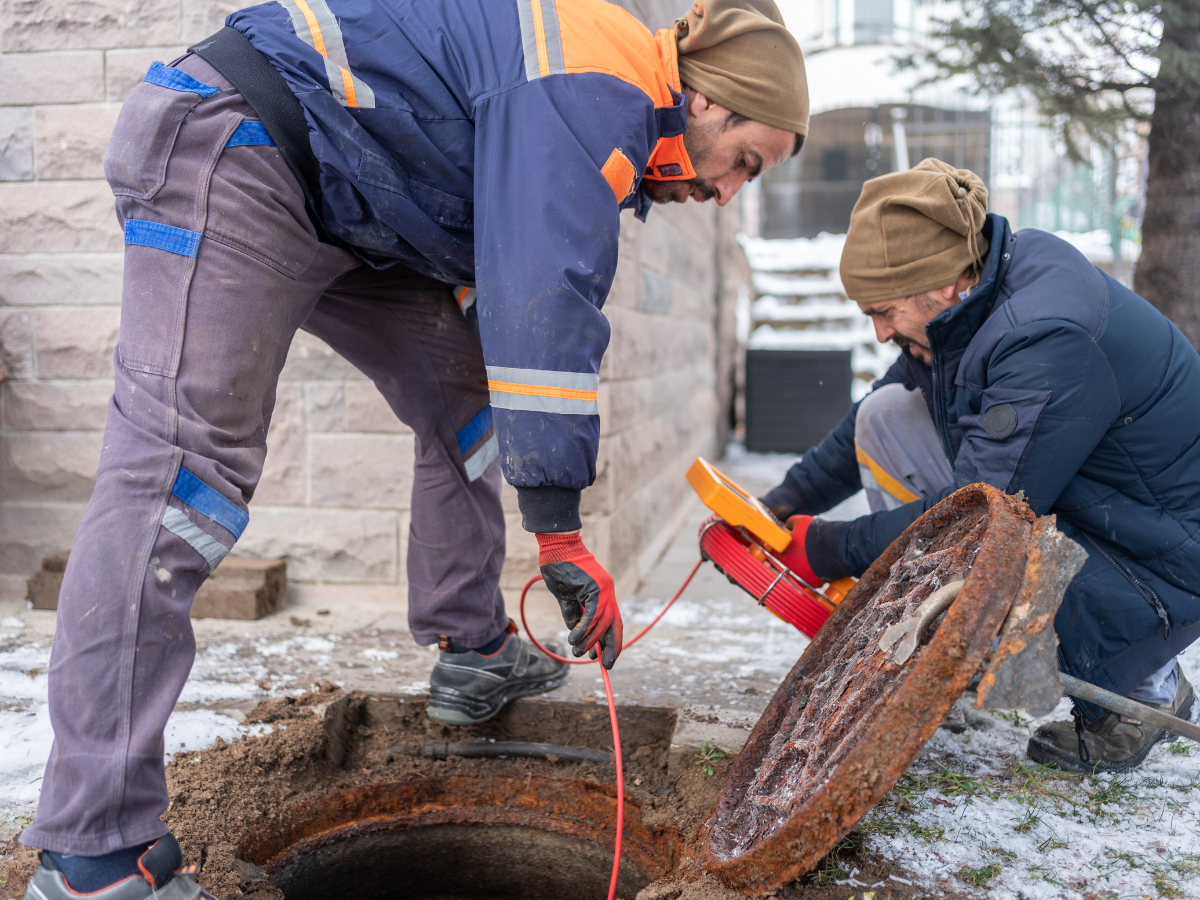
Septic certification often carries more weight than people expect during real estate inspections. While a standard inspection gives a general picture of the system’s condition, certification adds a layer of confirmation that the system meets accepted standards at the time it is evaluated.
In practical terms, this can influence how buyers and lenders view a property. When a septic system is certified, it reduces uncertainty.
Buyers are less likely to question whether the system will become an issue shortly after closing, and that added confidence can make it easier for them to move forward. Lenders also tend to view certification as supporting documentation that the property meets basic requirements, which can help keep financing on track.
For sellers, certification can make a noticeable difference in how a home is perceived. It signals that the property has been maintained and that key systems have already been checked.
In competitive markets, where buyers may be weighing several options, that sense of readiness can help a property stand out without needing further explanation.
Understanding Septic Certification Requirements in Georgia
Septic certification requirements in Georgia are not the same across every county. Some areas require certification before a property can be sold, while others leave it optional.
Even when it is not required, it is still commonly recommended as part of real estate inspections because of how much it can simplify the transaction.
Certification is usually issued after a septic inspection confirms that the system is working as it should and does not pose a health or environmental concern.
Once completed, the documentation becomes part of the transaction file and can be shared with both buyers and lenders during the closing process.
Because expectations can vary depending on location, it helps homeowners to understand what applies in their specific area.
This avoids delays later on and ensures that all necessary paperwork is ready when the property goes on the market. It also prevents situations where a deal is slowed down simply because documentation was overlooked early in the process.
How Septic Inspection Reports Shape Real Estate Transactions
Inspection reports play a central role in real estate inspections, especially when a property relies on a septic system. These reports go beyond a simple pass or fail. They outline the condition of the system, identify any areas of concern, and provide a clearer picture of what a buyer can expect.
A strong report can support the asking price and help keep negotiations straightforward. When buyers see that the system is in good condition, they are less likely to push for concessions or additional testing. This can make the process smoother and reduce the back and forth that often comes with uncertainty.
On the other hand, if the report highlights issues, it can shift the direction of the transaction. Buyers may request repairs, ask for a price adjustment, or negotiate for credits to cover future work. In some cases, this can extend the timeline or lead to more detailed discussions before both sides reach an agreement.
Because of this, many sellers choose to schedule real estate inspections before listing their property. Taking care of any problems in advance gives them more control over how the home is presented and reduces the risk of surprises during escrow. It also allows them to address concerns on their own terms rather than under the pressure of an active sale.
In the end, both septic certification and inspection reports contribute to a clearer, more transparent transaction. They help align expectations between buyers and sellers, which is often the difference between a smooth closing and a drawn-out negotiation.
Why Septic Maintenance Matters for Real Estate Inspections
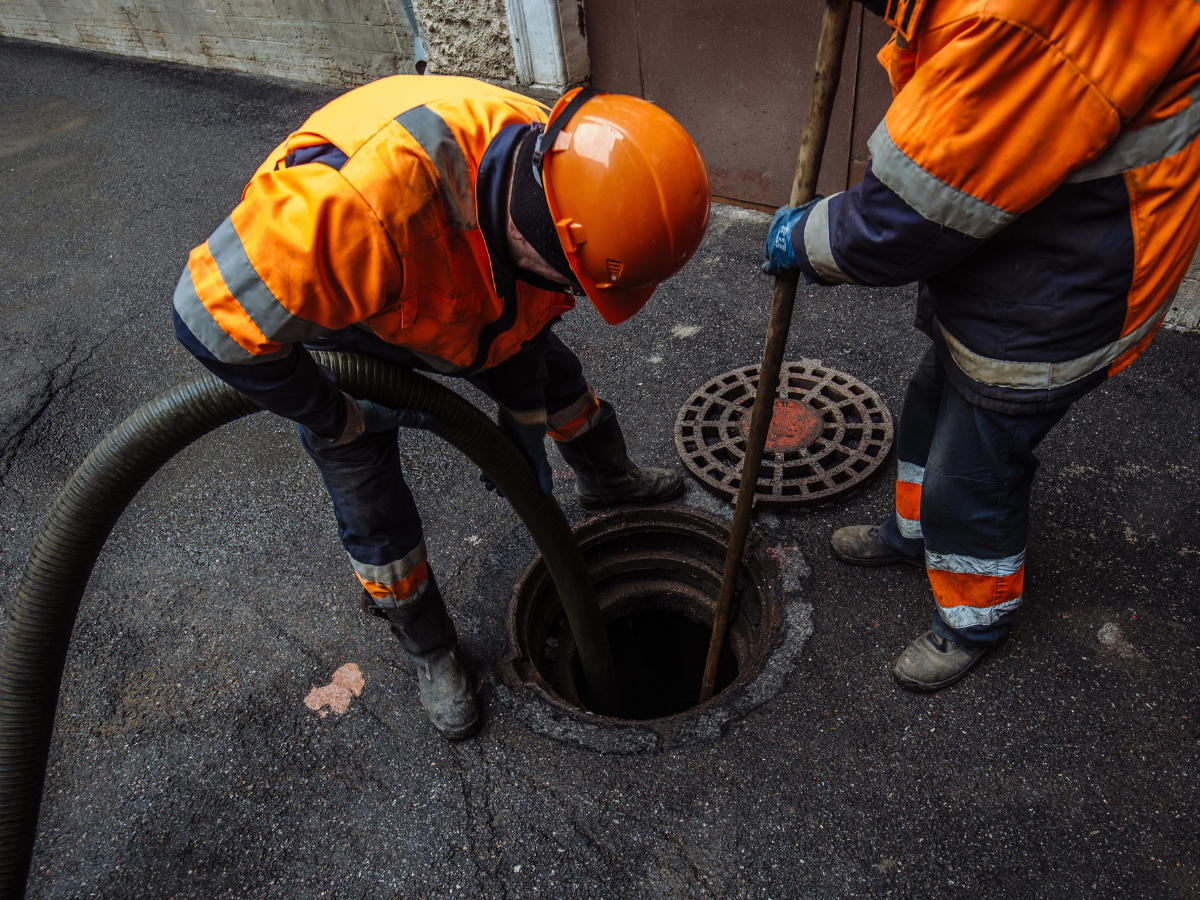
Septic system maintenance plays a direct role in how a property performs during real estate inspections. A system that has been consistently cared for is far less likely to raise concerns, which can make the inspection process smoother and more predictable.
Buyers today tend to be more informed about septic systems than in the past. They understand that repairs can be expensive and disruptive, so they look for signs that the system has been maintained over time.
When a system appears neglected, it can create hesitation. That hesitation often shows up in the form of lower offers or longer negotiations.
On the other hand, a well-maintained system supports confidence. It tells buyers that the home has been looked after, not just cosmetically, but at a functional level. This can help keep the transaction moving forward without unnecessary delays or complications.
Preparing Your Septic System for a Home Sale
Getting a septic system ready before listing a property is one of the more practical steps a seller can take. Scheduling a pre-listing inspection allows homeowners to catch potential issues early, before they become part of the buyer’s negotiation strategy.
Addressing concerns ahead of time gives sellers more control over the process. Instead of reacting to inspection findings under pressure, they can make decisions on their own timeline. This often leads to a cleaner transaction once the home is under contract.
It also helps to gather documentation that shows a history of maintenance. Buyers often want to review records such as pumping schedules, inspection reports, and any repairs that have been completed. Having this information readily available makes the process more transparent and can reduce back-and-forth during due diligence.
Being open about the system’s history is just as important. Sharing details about past work or known issues may feel uncomfortable, but it often builds trust. In many cases, transparency helps prevent misunderstandings that could otherwise slow down closing.
Routine Septic Tank Pumping And Care
Ongoing maintenance is what keeps a septic system functioning properly over time. Regular pumping is a key part of that process, as it prevents solid waste from accumulating to the point where it interferes with normal operation.
Most systems benefit from a consistent pumping schedule, though the exact timing depends on household size and usage. Staying on track with this routine helps avoid common problems such as backups or slow drainage, both of which can come up during real estate inspections.
In addition to pumping, everyday habits also make a difference. What goes into the system has a direct impact on how well it performs. Homeowners can protect their system by keeping a few basic practices in mind:
- Avoid flushing non-biodegradable items, even if they are labeled as disposable
- Limit the amount of grease and food waste that enters the system
- Be cautious with harsh chemicals that can disrupt natural bacterial activity
These small adjustments help maintain balance within the system and reduce the likelihood of damage over time.
Long-Term Benefits Of Consistent Maintenance
Keeping up with septic maintenance does more than prevent short-term issues. It extends the lifespan of the system and reduces the risk of major repairs, which can be costly and difficult to manage during a sale.
From a real estate perspective, consistent care can make a property easier to market. When real estate inspections confirm that the system is in good condition, it removes one of the more common sources of uncertainty for buyers. This often leads to smoother negotiations and fewer last-minute obstacles.
In the end, septic maintenance is not just about keeping things running day to day. It is part of presenting a property in its best possible condition, which can have a meaningful impact on how a sale unfolds.
Why Choosing The Right Septic Inspector Matters For Real Estate Inspections
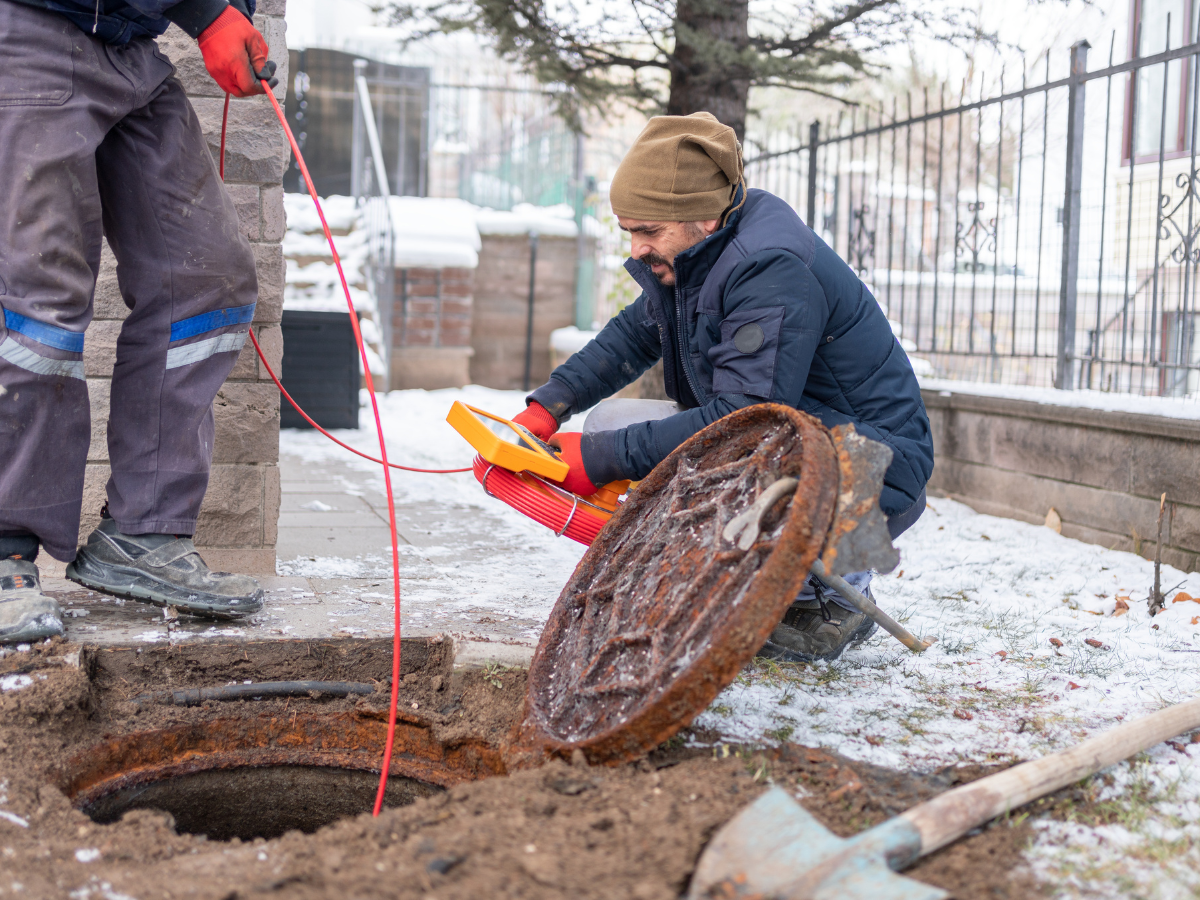
Finding a dependable septic inspection provider is an important step when preparing for real estate inspections. The inspection itself often carries significant weight in a transaction, so the quality of that evaluation can influence how smoothly the process moves forward.
A thorough inspection gives buyers and lenders a clear understanding of the system’s condition. It reduces uncertainty and helps prevent unexpected issues from surfacing later. On the other hand, an incomplete or rushed inspection can miss underlying problems, which may lead to complications during negotiations or even after closing.
Because septic systems are not always visible or easy to assess, experience matters. Inspectors who understand both septic systems and how they factor into real estate inspections are better equipped to provide accurate, useful reports. This is what allows all parties involved to make informed decisions without second-guessing the findings.
Why Local Knowledge Makes A Difference
Working with a local provider can make the inspection process more straightforward. Septic systems are heavily influenced by regional factors such as soil conditions, weather patterns, and local regulations.
An inspector who works regularly in Georgia is more likely to recognize common issues and understand what local authorities expect.
Local professionals are also familiar with how septic systems are evaluated during real estate inspections in the area. This means their reports are more likely to meet the expectations of buyers, agents, and lenders without needing additional clarification.
Smart Septic Pros is one example of a provider that operates with this kind of local awareness. Their experience with Georgia properties allows them to approach inspections with a clear understanding of both technical requirements and transaction timelines.
That familiarity can help keep communication simple and reduce confusion when results are shared.
How To Evaluate Septic Inspection Providers
Before choosing an inspection provider, it helps to take a closer look at their qualifications and approach. A little due diligence upfront can prevent delays or questions later in the process.
A reliable provider should be able to demonstrate:
- Proper licensing or certification required within Georgia
- Experience with septic systems similar to those in your area
- Clear, detailed reporting that can be used during real estate inspections
It is also worth asking what the inspection will include. A complete evaluation typically looks at the tank, drain field, and overall system performance. The goal is to provide a full picture rather than a surface-level check.
Taking the time to confirm these details helps ensure that the inspection results will be accepted without issue during the transaction.
Ensuring Compliance And Avoiding Delays
Compliance plays a major role in whether an inspection report can be used during a sale. If the report does not meet local standards or lacks key information, it may need to be repeated, which can delay closing.
To avoid this, homeowners should make sure the provider follows recognized guidelines and provides documentation that aligns with what buyers and lenders expect. This includes clear findings, any noted concerns, and confirmation of the system’s condition at the time of inspection.
When everything is handled correctly from the start, real estate inspections tend to move more smoothly. There is less back and forth, fewer surprises, and a clearer path to closing.
In the end, choosing a qualified septic inspection provider is less about checking a box and more about setting the transaction up for success. A well-executed inspection supports transparency, builds trust, and helps keep the entire process on track.
Conclusion
A thorough septic inspection is a critical step in any Georgia real estate transaction, providing buyers with confidence and sellers with peace of mind.
Understanding what inspectors look for—from tank condition and drain field function to regulatory compliance—empowers you to navigate the process with clarity and avoid costly surprises.
For professional, reliable septic inspections that protect your investment, trust Smart Septic Pros. Ready to move forward with confidence? Call 678-993-4545 or use our contact form today to schedule your inspection. Let our experienced team help you make informed decisions every step of the way.