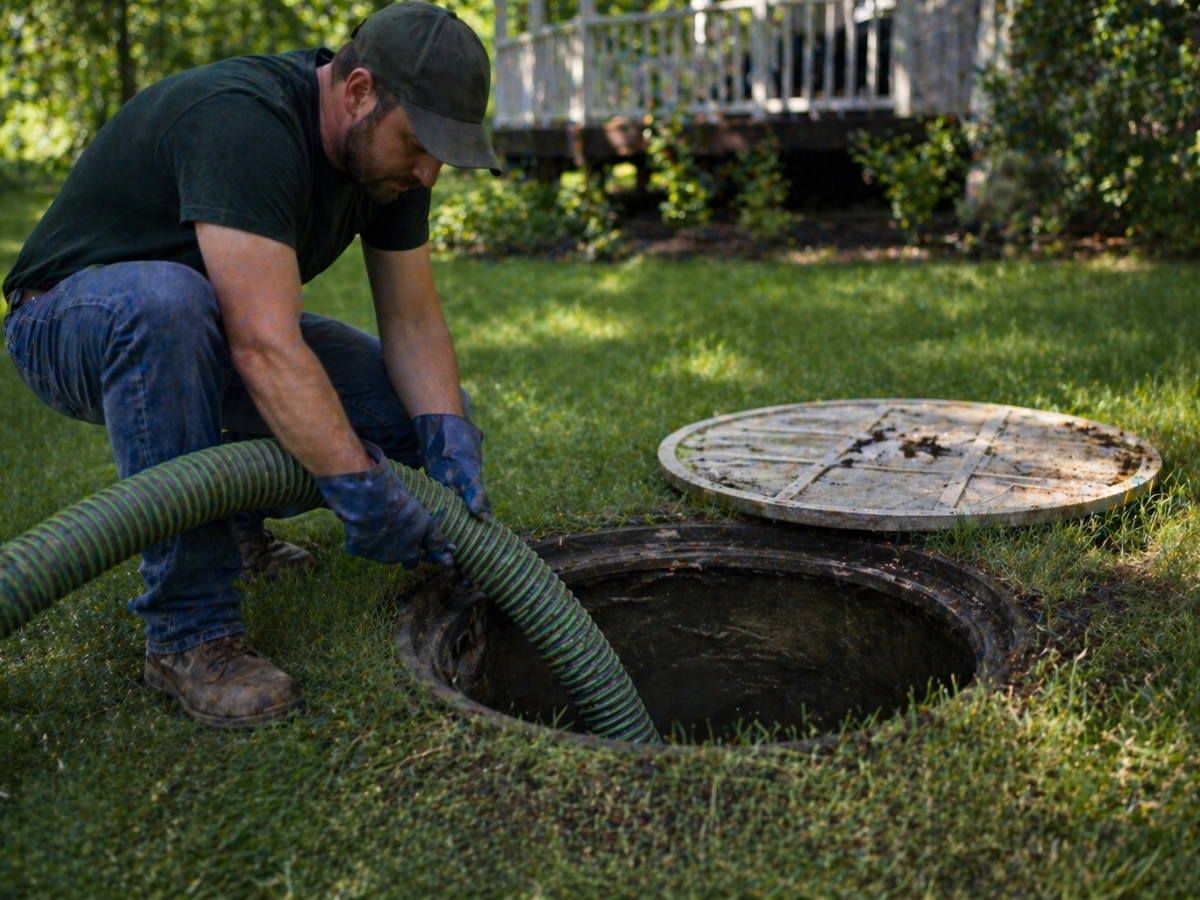
A septic system relies on more than tanks and pipes. It depends on a natural process happening out of sight. Inside the tank, beneficial bacteria break down waste, keeping the system balanced and functioning properly. When that balance is disrupted, problems like slow drainage, odors, and backups can start to develop.
Understanding why septic system care depends on healthy bacteria is key to avoiding these issues. Everyday habits like using harsh chemicals, overloading the system with water, or flushing non-biodegradable items can reduce bacterial activity and affect performance.
By supporting the natural bacterial process, you can help your septic system operate more efficiently, extend its lifespan, and reduce the risk of costly repairs.
Septic System Care and the Bacteria That Keep It Working
What Are The Types Of Beneficial Bacteria In Septic Tanks?
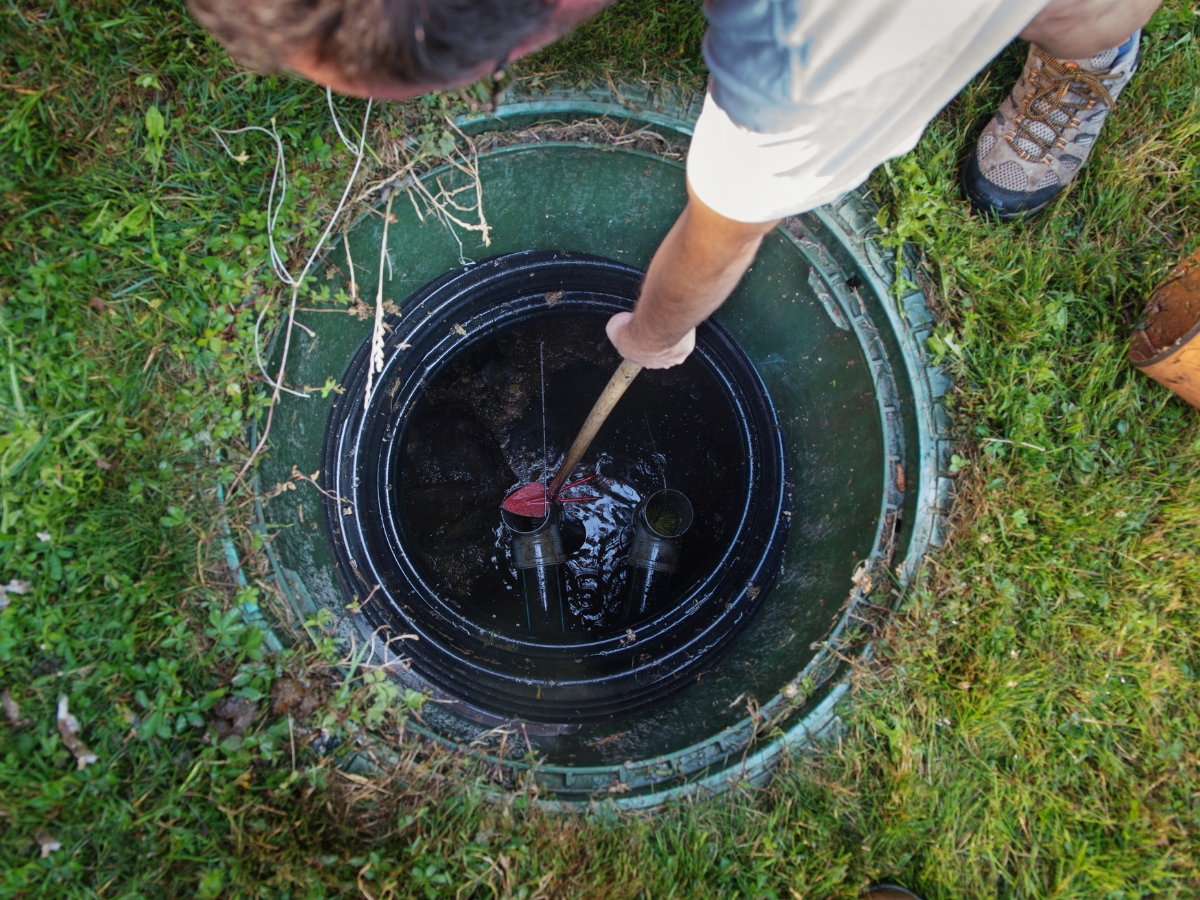
A healthy septic system depends on the right balance of bacteria working behind the scenes. These microorganisms break down waste, helping the system function efficiently without frequent issues.
When thinking about septic system care, understanding how these bacteria work can make a meaningful difference in long-term performance.
There are two primary types of beneficial bacteria found in septic systems: aerobic and anaerobic. Each plays a different role depending on the environment inside the system.
Aerobic bacteria need oxygen to survive and are typically active in areas where air is present, such as near the drain field or in systems designed to introduce oxygen. These bacteria help break down waste more quickly and can reduce odors.
Anaerobic bacteria, on the other hand, thrive in low-oxygen conditions. They are most active inside the septic tank itself, where oxygen is limited.
These bacteria focus on breaking down solid waste, turning it into simpler compounds that can be processed further. Both types are essential, and a well-functioning system relies on their balance to keep everything moving as it should.
Which Bacteria Species Support Natural Waste Decomposition?
Within these two categories, several specific microorganisms play a role in breaking down waste. Aerobic bacteria such as Pseudomonas and Bacillus are known for their ability to process organic material efficiently when oxygen is available.
They contribute to faster decomposition and help maintain cleaner system conditions in areas where airflow is present. Anaerobic bacteria handle the heavier work inside the tank.
Species like Clostridium, along with methanogenic microorganisms, break down solid waste into gases and simpler substances.
This process reduces the volume of waste over time and prevents the tank from filling too quickly. What makes this system effective is how these organisms work together. As waste moves through different parts of the septic system, it is processed in stages.
Each group of bacteria contributes to a specific phase of decomposition, creating a continuous cycle that supports overall system health. This natural process is a key part of effective septic system care and reduces the need for frequent intervention.
How Do Natural Septic Tank Bacteria Differ From Additives?
Many homeowners wonder whether adding commercial products will improve their system. While septic additives are widely available, they function differently from the naturally occurring bacteria already present in the tank.
Natural bacteria develop over time as part of the system’s ecosystem. As waste enters the tank, these microorganisms multiply and adapt to the conditions, creating a stable environment that supports ongoing decomposition. This balance is important because it allows the system to regulate itself without outside interference.
Additives, by contrast, are concentrated products designed to introduce or boost bacterial activity quickly. In some cases, they may help if a system has been disrupted, such as after heavy chemical use.
However, relying on them regularly is not always necessary. Overuse can sometimes upset the natural balance, which may lead to inconsistent performance rather than improvement.
A more practical approach to septic system care is supporting the existing bacteria rather than replacing them. This includes avoiding harsh chemicals, managing water usage, and scheduling regular inspections.
By maintaining the conditions that allow natural bacteria to thrive, the system can continue to function efficiently with less risk of disruption.
Why Bacterial Balance Matters For Long-Term System Health
When the bacterial environment is stable, the entire septic system works more effectively. Waste breaks down at a steady rate, odors are minimized, and the risk of buildup or blockages is reduced. This not only improves day-to-day performance but also extends the lifespan of the system.
Understanding how these microorganisms function provides a clearer picture of what your septic system needs.
Instead of relying on quick fixes, focusing on balance and consistency leads to better results over time. In the context of septic system care, that balance is what keeps everything running smoothly with fewer surprises.
How Do Septic Bacteria Work To Break Down Waste Effectively?
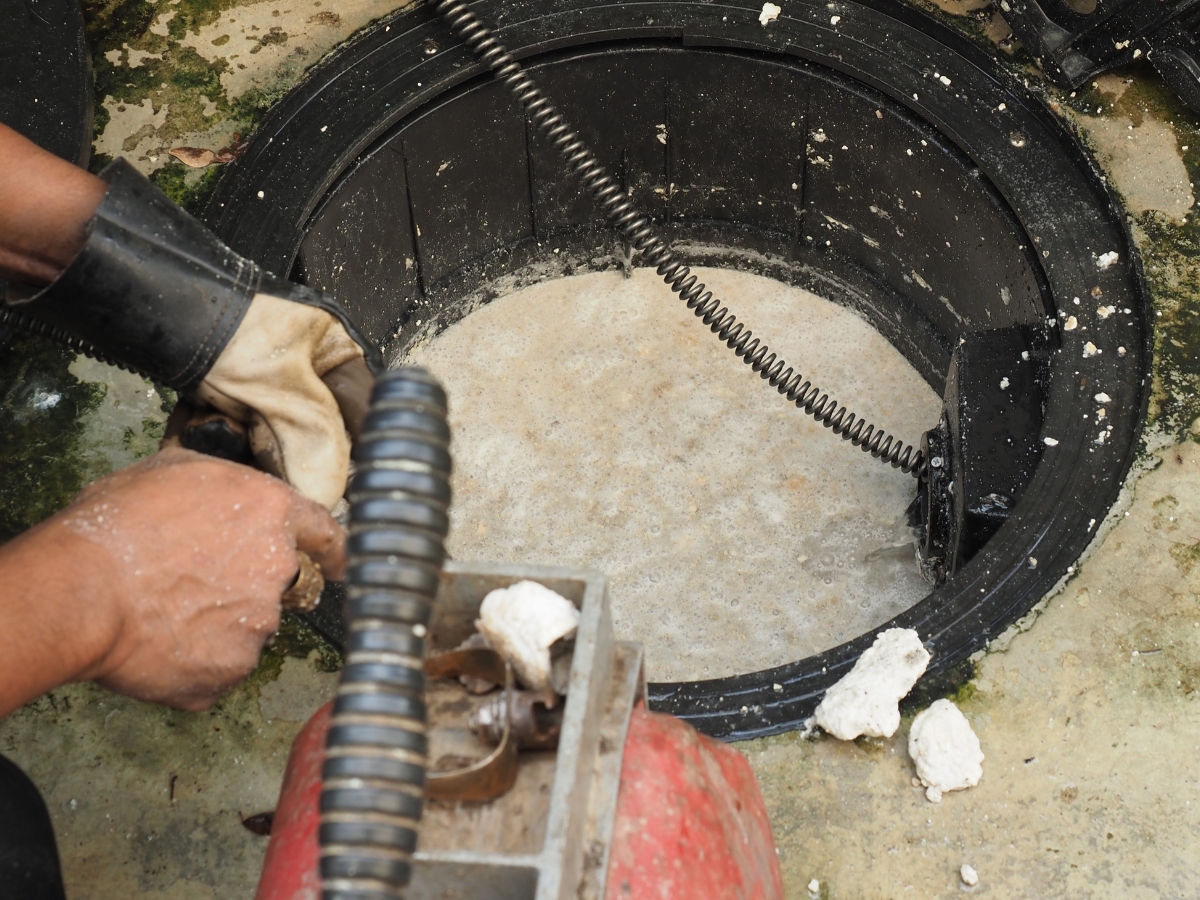
Inside a septic tank, bacteria handle most of the heavy lifting. Their job is to break down waste into simpler materials so the system can process it without becoming overloaded.
This natural process is the foundation of effective septic system care, as it keeps solids from building up too quickly and helps the system run efficiently over time. When waste enters the tank, it does not just sit there. Instead, bacteria begin working on it almost immediately, breaking it down in stages.
As solids are reduced and separated, liquids can move through the system more easily, which helps prevent backups and other common issues. Without this bacterial activity, waste would accumulate much faster and lead to frequent maintenance problems.
What Processes Do Bacteria Use To Decompose Organic Material?
The breakdown of waste happens through a sequence of biological steps. Each stage plays a specific role in turning complex materials into simpler, more manageable forms.
The first stage is hydrolysis. During this phase, bacteria break down larger organic compounds, such as fats, proteins, and carbohydrates, into smaller molecules like sugars and amino acids. This step is important because it prepares the material for further processing.
Next comes fermentation. In this stage, different groups of bacteria convert those smaller molecules into substances like organic acids, alcohols, hydrogen, and carbon dioxide. This process continues to reduce the complexity of the waste while releasing byproducts that other microorganisms can use.
The final stage is methanogenesis. Here, specialized microorganisms convert the remaining byproducts into methane and carbon dioxide.
By the end of this process, much of the original waste has been transformed into simpler compounds and gases, which significantly reduces the overall volume inside the tank.
These steps work together as a continuous cycle. As new waste enters the system, bacteria move through the same sequence, ensuring that decomposition remains steady.
This ongoing process is a key reason why consistent septic system care can extend the life of the system and reduce the need for repairs.
How Does Microbial Balance Influence Septic System Health?
While the process itself is reliable, it depends heavily on balance. A septic system functions best when the right mix of bacteria is present and active. If that balance is disrupted, the system may not break down waste as effectively.
When bacterial activity slows down, solids can begin to accumulate faster than they should. This can lead to slow drainage, unpleasant odors, or even blockages. In more serious cases, the system may struggle to process waste at all, which can result in costly repairs.
Several factors can affect this balance. Harsh chemicals, excessive water use, and improper waste disposal can all interfere with bacterial activity. For example, pouring strong cleaning products down the drain can reduce the number of beneficial bacteria, making it harder for the system to function as intended.
Maintaining balance does not require complicated steps, but it does require awareness. Regular pumping helps remove excess solids, giving bacteria enough space to continue working. Being mindful of what goes down the drain also supports a healthier environment inside the tank.
In the context of septic system care, the goal is not to control the process but to support it. When conditions inside the tank remain stable, bacteria can do their job efficiently, helping the system operate smoothly with fewer interruptions.
Why Understanding These Processes Matters
Knowing how septic bacteria work provides a clearer picture of why maintenance matters. Rather than relying on guesswork, homeowners can make informed decisions that support the system’s natural function.
By protecting bacterial balance and allowing these processes to continue uninterrupted, it becomes easier to avoid common issues and keep the system running as expected.
Essential Practices for Maintaining Septic Bacterial Balance
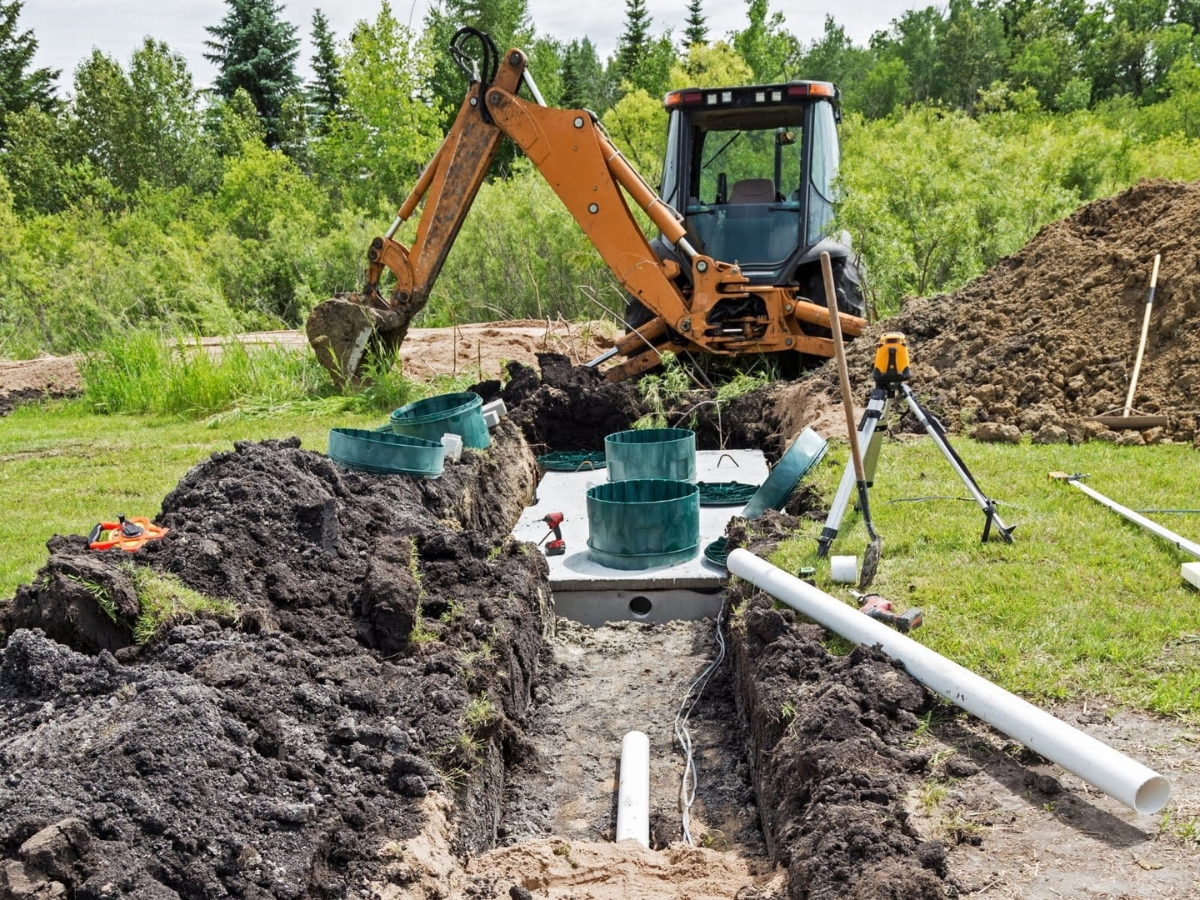
A septic system works best when its internal environment stays stable. The bacteria inside the tank do the essential work of breaking down waste, but they rely on consistent conditions to stay active.
Good septic system care is not about constant intervention. It is about supporting that balance so the system can function as intended. When the bacterial environment is healthy, waste is processed efficiently, and the risk of buildup is reduced.
On the other hand, disruptions can slow decomposition and lead to issues like odors, clogs, or system strain. Maintaining that balance comes down to a combination of routine service and everyday habits.
What Role Does Septic Tank Pumping Play In Supporting Bacteria?
Septic tank pumping is one of the most important parts of long-term system maintenance. While bacteria break down a large portion of the waste, not everything can be fully processed. Over time, solid material settles at the bottom of the tank and forms a layer of sludge.
If this sludge is not removed, it begins to take up space that bacteria need to do their job. As the tank fills, there is less room for proper separation and decomposition. This can lead to solids moving into the drain field, which creates more serious and costly problems.
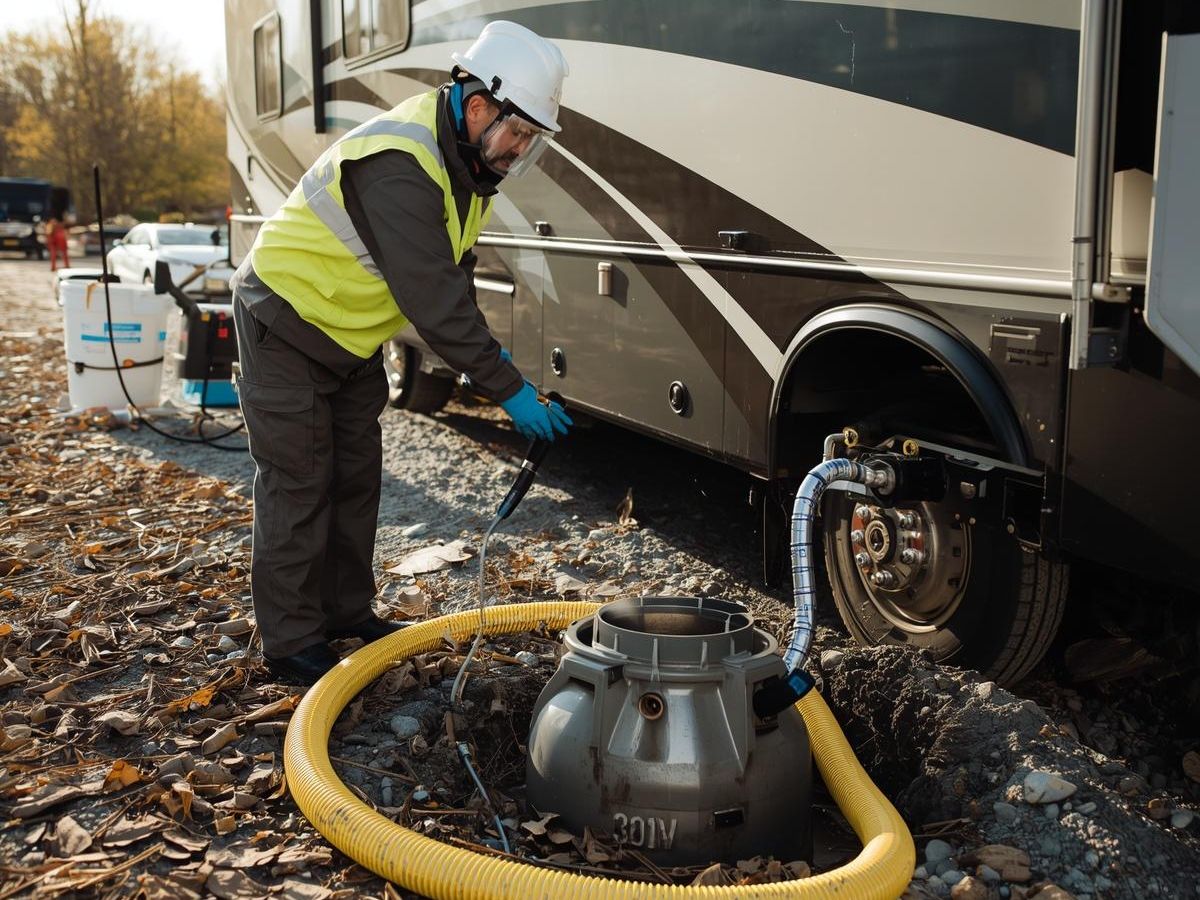
Regular pumping clears out this accumulated material and resets the system. It gives bacteria the space they need to continue working efficiently. Most systems benefit from pumping every three to five years, although the exact timing depends on usage, household size, and tank capacity.
In the context of septic system care, pumping is not just about removing waste. It is about preserving the environment that allows bacteria to thrive and keeping the system operating without interruption.
Which Maintenance Practices Promote Natural Bacterial Ecosystems?
Beyond scheduled pumping, everyday choices play a significant role in maintaining a healthy bacterial balance. The way a system is used on a daily basis can either support or disrupt the natural processes happening inside the tank.
One of the most important factors is what goes down the drain. Non-biodegradable items, grease, and harsh chemicals can interfere with bacterial activity. Products like strong cleaners or antibacterial solutions may seem helpful, but they can reduce the number of beneficial bacteria that the system depends on.
Choosing septic-safe products can make a noticeable difference. Biodegradable soaps and detergents are designed to break down more easily, which helps maintain a stable environment inside the tank. These small adjustments support the natural ecosystem without requiring extra effort.
Water usage also matters. Excessive water entering the system too quickly can dilute the bacterial population and disrupt the breakdown process. Spacing out laundry loads or fixing leaks helps maintain a more consistent flow, giving bacteria enough time to process waste effectively.
Routine inspections add another layer of protection. A professional can identify early signs of imbalance, such as unusual buildup or drainage issues, before they develop into larger problems. This proactive approach aligns with effective septic system care by addressing concerns early rather than reacting to system failures.
Why Consistency Matters For Long-Term Performance
Maintaining a healthy septic system is less about one-time fixes and more about steady, consistent care. When pumping schedules are followed, and daily habits support bacterial activity, the system can operate efficiently for many years.
Understanding how these elements work together makes it easier to avoid common issues. By focusing on balance and routine maintenance, homeowners can protect the natural processes inside their system and reduce the likelihood of costly repairs.
What Are Common Signs Of Bacterial Imbalance And How Can They Be Addressed?
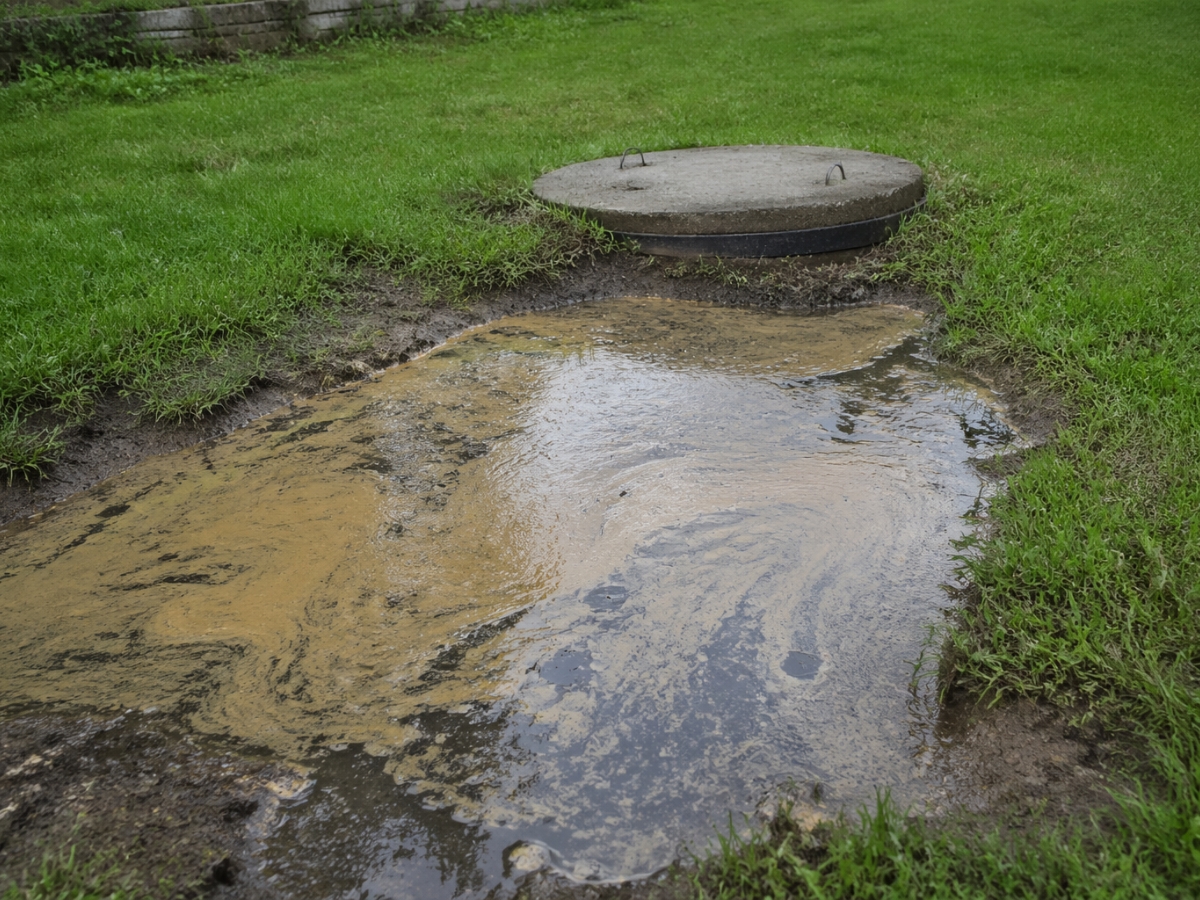
A septic system usually runs quietly in the background, but when something shifts internally, it often shows up in subtle ways first. One of the most common underlying causes of these issues is a disruption in the bacterial balance.
Recognizing the early signs can help you respond quickly and avoid more serious problems. In the context of septic system care, awareness is often the first line of defense.
When bacteria are working as they should, waste breaks down efficiently, and the system remains stable. If that balance is thrown off, the system begins to struggle, and the signs tend to appear both inside and outside the home.
How To Identify Bacterial Imbalance Symptoms In Your Septic System
Changes in drainage are often the first noticeable signal. Sinks, tubs, or toilets may start draining more slowly than usual, even if there is no obvious blockage. This can happen when bacteria are not breaking down waste effectively, causing buildup within the system.
Odors are another clear indicator. A properly functioning septic system should not produce strong smells indoors or around the yard. Persistent foul odors, especially near drains or the drain field, suggest that waste is not being processed as it should. This is often linked to reduced bacterial activity.
Outdoor signs can also point to an imbalance. Pooling water or consistently soggy soil around the drain field may indicate that the system is overloaded or not breaking down solids efficiently. Over time, this can affect how wastewater is absorbed into the ground.
These symptoms tend to develop gradually, which is why they are sometimes overlooked at first. Paying attention to these early changes is an important part of septic system care, as it allows you to address issues before they escalate.
What Solutions Restore Bacterial Health And Prevent System Failure?
Once an imbalance is identified, the goal is to restore conditions that allow bacteria to function properly again. This often starts with addressing any excess buildup inside the tank.
Regular pumping plays a key role here. Removing accumulated solids creates more space for bacteria to operate and helps reset the internal environment. If sludge levels are too high, bacteria simply cannot keep up with incoming waste, which leads to ongoing problems.
Adjusting household habits is another important step. Using septic-safe products can help protect beneficial bacteria from being damaged by harsh chemicals. Simple changes, such as limiting the use of strong cleaners or antibacterial products, can support a healthier system over time.
Water usage also deserves attention. Excessive water entering the system too quickly can dilute bacterial populations and reduce their effectiveness. Spacing out activities like laundry or repairing leaks helps maintain a steady flow, which gives bacteria enough time to process waste.
In some cases, a professional evaluation may be necessary. If symptoms persist, a septic technician can assess the system and recommend targeted solutions. This might include identifying hidden blockages, checking the drain field, or determining whether additional maintenance is needed.
Why Early Action Makes A Difference
Addressing bacterial imbalance early can prevent more serious damage. When issues are caught in their initial stages, solutions are usually simpler and less costly. Ignoring the signs, however, can lead to system failure and extensive repairs.
Effective septic system care is about maintaining balance rather than reacting to emergencies. By recognizing the warning signs and taking timely action, you can keep your system running smoothly and extend its lifespan without unnecessary disruption.
What Are The Benefits And Considerations Of Using Septic Bacteria Additives?
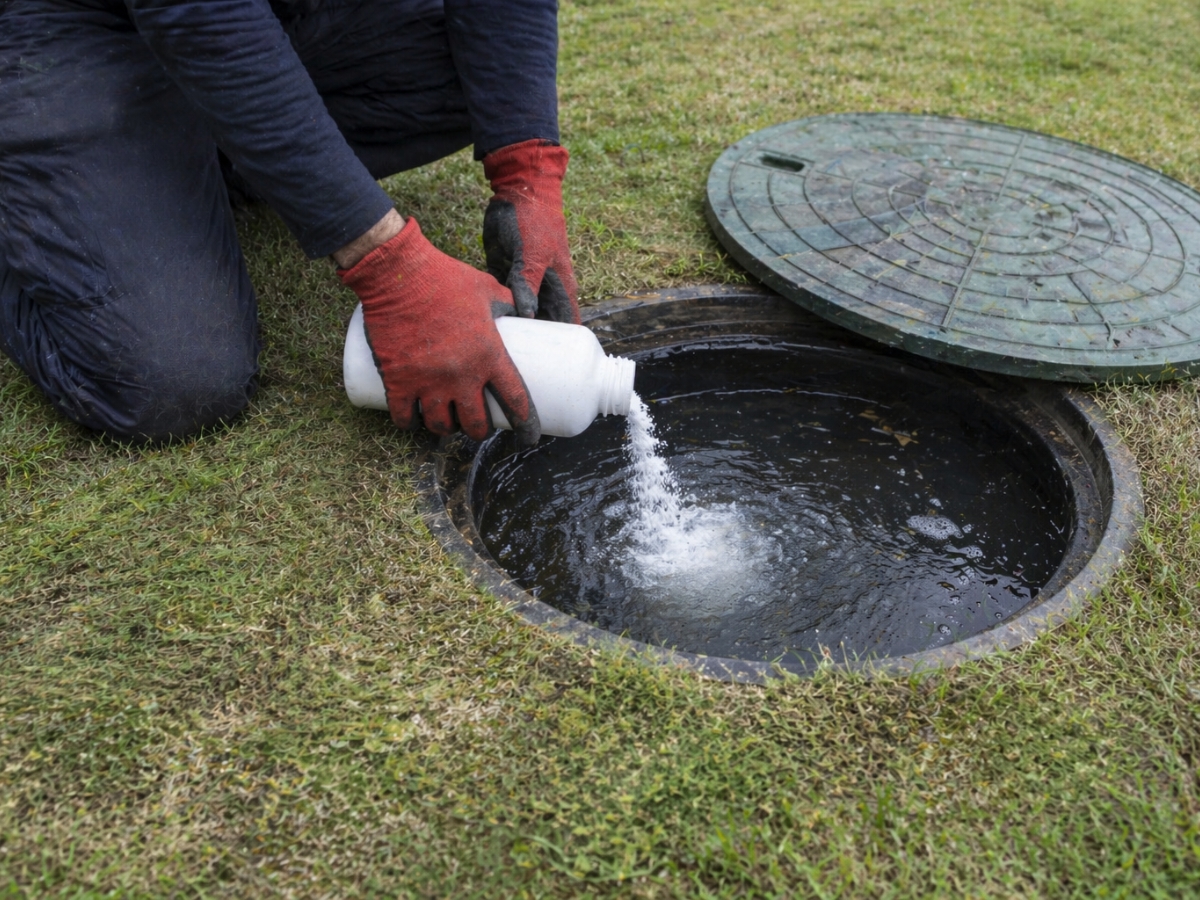
Septic bacteria additives are often marketed as a simple way to improve system performance, but their role is more situational than many homeowners expect.
In most cases, a well-functioning septic system already contains the bacteria it needs. Understanding when additives help and when they are unnecessary is an important part of septic system care.
The natural bacterial environment inside a septic tank develops over time as waste enters the system. These microorganisms adapt to the conditions and maintain a steady breakdown process.
Because of this, adding external bacteria is not always required. Still, there are specific situations where additives may serve a purpose.
When Are Bacterial Additives Recommended For Septic Systems?
Additives tend to be most useful when the system has been disrupted. For example, if large amounts of harsh chemicals have been introduced, the natural bacterial population may be reduced. In this case, additives can help reintroduce beneficial bacteria and support recovery.
They may also be considered after a system backup or a period of inactivity. When a septic system has not been used for an extended time, bacterial activity can slow down significantly. Adding bacteria can help restart the decomposition process more quickly once the system is back in use.
Even in these cases, additives should be viewed as a temporary support rather than a long-term solution. The goal is to restore balance, not replace the natural processes already in place. Good septic system care still depends on consistent maintenance and responsible usage habits.
What Are The Advantages And Limitations Of Bioaugmentation Products?
Bioaugmentation products are designed to introduce concentrated strains of bacteria into the septic system. One of their main advantages is speed. They can help accelerate waste breakdown in situations where bacterial activity has dropped, which may reduce odors or improve short-term performance.
However, the benefits are often limited in systems that are already functioning properly. Research and field experience suggest that when regular maintenance is in place, additives do not significantly improve long-term performance.
In these cases, they may simply add unnecessary cost without delivering noticeable results. There is also the risk of imbalance. Introducing large amounts of specific bacteria can shift the natural ecosystem inside the tank.
Instead of supporting stability, this can sometimes interfere with how different microbial groups interact, which may lead to inconsistent performance over time.
Because of this, additives are best used carefully and only when there is a clear reason. They should complement, not replace, the basic practices that keep a septic system healthy.
How To Decide If Additives Are Worth Using
Choosing whether to use septic additives comes down to evaluating the condition of your system. If everything is working as expected, there is usually no need to introduce additional products. Routine pumping, mindful water use, and proper waste disposal already provide the conditions bacteria need to thrive.
If problems arise, it is often more effective to identify the underlying cause first. Issues like sludge buildup, drainage problems, or chemical exposure may require direct solutions rather than relying on additives alone.
In some cases, a professional inspection can help determine whether additives would be helpful or unnecessary.
A Balanced Approach To Septic System Care
Additives can play a role in specific situations, but they are not a substitute for proper maintenance. A balanced approach focuses on supporting the natural bacterial environment through consistent care.
When that balance is maintained, the system is better equipped to handle daily use without relying on extra products.
By understanding both the benefits and limitations of additives, homeowners can make more informed decisions. In the broader context of septic system care, this leads to a more stable system and fewer unexpected issues over time.
How Does Professional Septic Tank Pumping Support Bacterial Health And System Longevity?
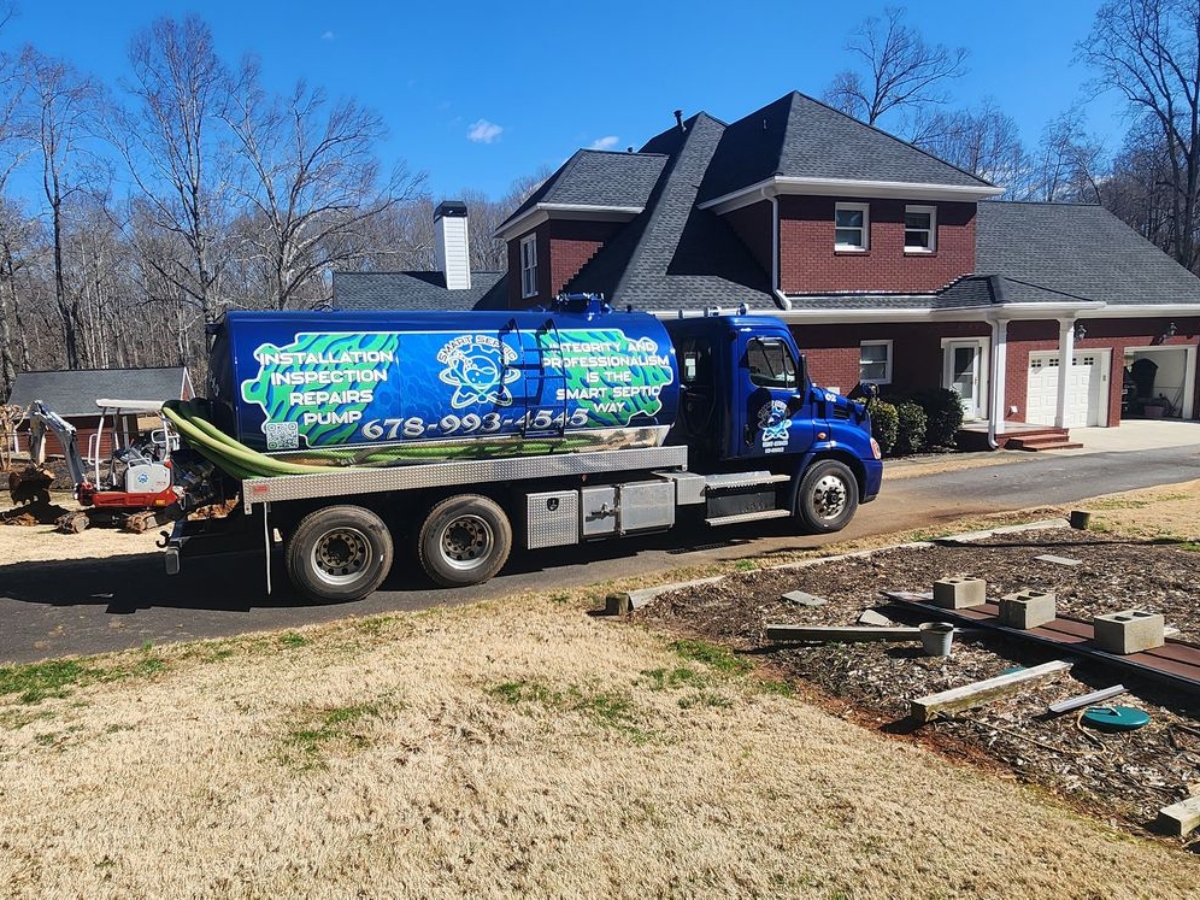
Septic systems rely on a delicate balance to function properly, and professional pumping plays a key role in maintaining that balance. While bacteria handle the breakdown of waste, they still need the right conditions to do their job effectively.
Over time, solids that cannot be fully decomposed begin to accumulate, which can interfere with the system’s performance. This is where routine pumping becomes essential to long-term septic system care. A properly maintained tank allows waste to separate and process as intended.
When sludge builds up too much, it reduces the available space inside the tank, making it harder for bacteria to break down incoming material. Left unchecked, this can lead to slower processing, unpleasant odors, and even system backups.
Why Is Expert Pumping Essential For Maintaining Microbial Balance?
Professional pumping does more than remove waste. It helps restore the internal environment of the septic tank so beneficial bacteria can continue working efficiently. By clearing out excess sludge and buildup, pumping creates space for new waste to be processed without overwhelming the system.
Trained technicians also approach the process with care, ensuring that the tank is cleaned without disrupting the essential bacterial layer more than necessary.
This balance is important because the system still needs a healthy population of microorganisms to restart the breakdown process after pumping is complete.
Another advantage of professional service is the ability to identify early warning signs. During pumping, technicians can check for irregularities such as unusual buildup patterns or signs of wear.
Catching these issues early supports better septic system care by addressing potential problems before they develop into larger concerns.
How Does Regular Maintenance Reduce Costly Septic Repairs?
Routine maintenance is one of the most effective ways to avoid expensive repairs. When a septic system is neglected, small issues can grow into more serious failures that require extensive work. Regular pumping helps prevent this by keeping the system within its normal operating range.
For example, when solids are allowed to accumulate beyond safe levels, they can move into the drain field. This not only disrupts filtration but can also damage the surrounding soil, leading to costly restoration work. By maintaining a consistent pumping schedule, this type of damage can often be avoided.
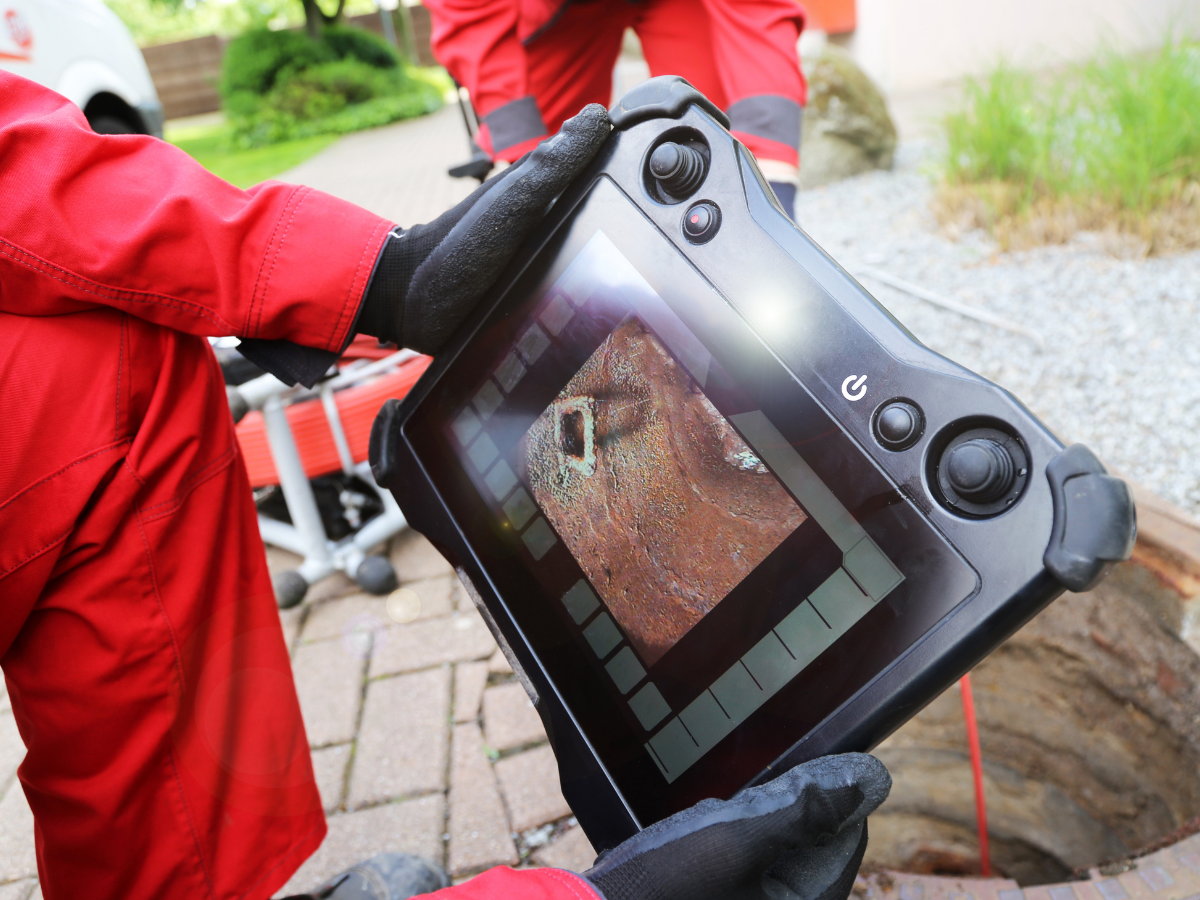
Inspections performed during routine service also provide valuable insight. Technicians can spot early signs of blockages, leaks, or structural concerns that may not be visible from the surface. Addressing these issues early is far more manageable than dealing with a full system failure.
In addition, a well-maintained system tends to operate more efficiently. Waste is processed more effectively, and the risk of backups or slow drainage is reduced. This consistency not only improves daily use but also extends the overall lifespan of the system.
A Practical Approach To Long-Term Septic System Care
Professional septic tank pumping is not just a maintenance task. It is a preventive measure that supports both bacterial health and system durability. By removing excess buildup and allowing bacteria to function properly, it helps maintain a stable and efficient environment inside the tank.
When combined with mindful usage habits and regular inspections, pumping becomes part of a broader strategy for septic system care. This approach focuses on consistency rather than reaction, reducing the likelihood of unexpected issues and helping the system perform reliably over time.
Taking a proactive approach ultimately protects your investment. With the right maintenance routine in place, your septic system can continue operating smoothly for years without unnecessary complications.
Conclusion
Without these essential microorganisms, solid waste accumulates, leading to clogs, foul odors, system backups, and potentially costly failures.
While you can support your bacterial colony by avoiding harsh chemicals and excessive water usage, maintaining long-term system health requires the expertise of a trusted professional.
For comprehensive septic care—from routine inspections and pumping to advanced system assessments—rely on Smart Septic Pros. Ready to keep your system thriving with expert care?
Call 678-993-4545 or use our contact form today to schedule your service. Let our experienced team ensure your septic system remains balanced, efficient, and trouble-free for years to come.